A home renovation does not have to begin with demolition. In many homes, the biggest improvements come from fixing the things that are inconvenient, visually dated, poorly lit, or simply no longer suited to the way the household lives. That distinction matters when money is limited. A budget renovation works best when you solve the right problems in the right order instead of buying a collection of attractive things and hoping they make the room feel finished.
This guide focuses on decor-led renovation and small home improvements rather than structural remodeling. The aim is to help you decide what deserves your budget, what can be refreshed rather than replaced, and what should wait.
1. Start With a Problem List, Not a Shopping List
Walk through the house with a notebook or your phone and record what is actually bothering you. Look for problems such as:
- inadequate lighting
- insufficient storage
- damaged or worn finishes
- furniture that blocks circulation
- mismatched hardware
- bare or poorly proportioned walls
- curtains or rugs that are the wrong size
- surfaces that are difficult to keep clean
Then divide the list into three groups:
Fix now: problems that affect daily use, safety, maintenance, or a clearly damaged surface.
Improve next: changes that will make the room more functional or cohesive.
Cosmetic later: accessories and decorative purchases that are nice to have but do not solve an important problem.
This simple ranking prevents one of the most common budget mistakes: spending the available money on decoration before addressing the room’s basic function.
2. Set a Budget Before Choosing Finishes
A useful budget does not need to be complicated. Decide the maximum amount you are comfortable spending, then divide it between priorities. For example, a modest room refresh might allocate money roughly like this:
- 30% to the biggest functional improvement
- 25% to paint or other surface work
- 20% to lighting
- 15% to textiles or storage
- 10% to finishing details
These percentages are a planning framework, not a rule. If your room already has good lighting but desperately needs storage, move more of the budget toward storage. Keep a small reserve for forgotten supplies, delivery charges, replacement hardware, patching materials, or other finishing costs. A renovation budget that uses every dollar on the first shopping trip is usually too optimistic.
3. Paint Can Change a Room — But Preparation Matters More Than Color
Paint is one of the most accessible ways to change a room, but the cheapest paint job is not necessarily the cheapest renovation. Before choosing a color, inspect the walls. Fill obvious holes, repair damaged areas, clean greasy surfaces, and address peeling or loose paint. A beautiful color cannot hide poor preparation for long.
For a whole-room update, sample the color on the actual wall and observe it at different times of day. Natural light, artificial lighting, flooring, and nearby furniture can all change how a color appears. If a complete repaint is unnecessary, consider a smaller project instead:
- repaint a tired console or side table
- refresh a door
- repaint built-in shelving
- create a restrained accent wall
- update trim where it is genuinely worn
This keeps the renovation focused instead of turning every surface into a project.
4. Improve Lighting Before Buying More Decor
A room can contain attractive furniture and still feel unfinished if the lighting is weak or one-dimensional. Instead of relying entirely on a central ceiling fixture, think in layers:
General lighting provides overall illumination.
Task lighting helps with activities such as reading, cooking, or working.
Accent lighting highlights artwork, shelving, architectural features, or a decorative corner.
Before buying another lamp, identify where the room is actually too dark. Then choose the light source for that location. For a budget renovation, replacing an outdated shade, adding a floor or table lamp, or improving a poorly lit work area can be more useful than buying several decorative accessories.
5. Make Storage Part of the Renovation
Storage problems are often mistaken for decorating problems. If counters, consoles, shelves, or floors repeatedly become cluttered, adding more decorative objects will not solve the underlying issue. Start by deciding what needs to be stored, how frequently it is used, and where it is currently being kept. Everyday items should generally be easier to reach than occasional items.
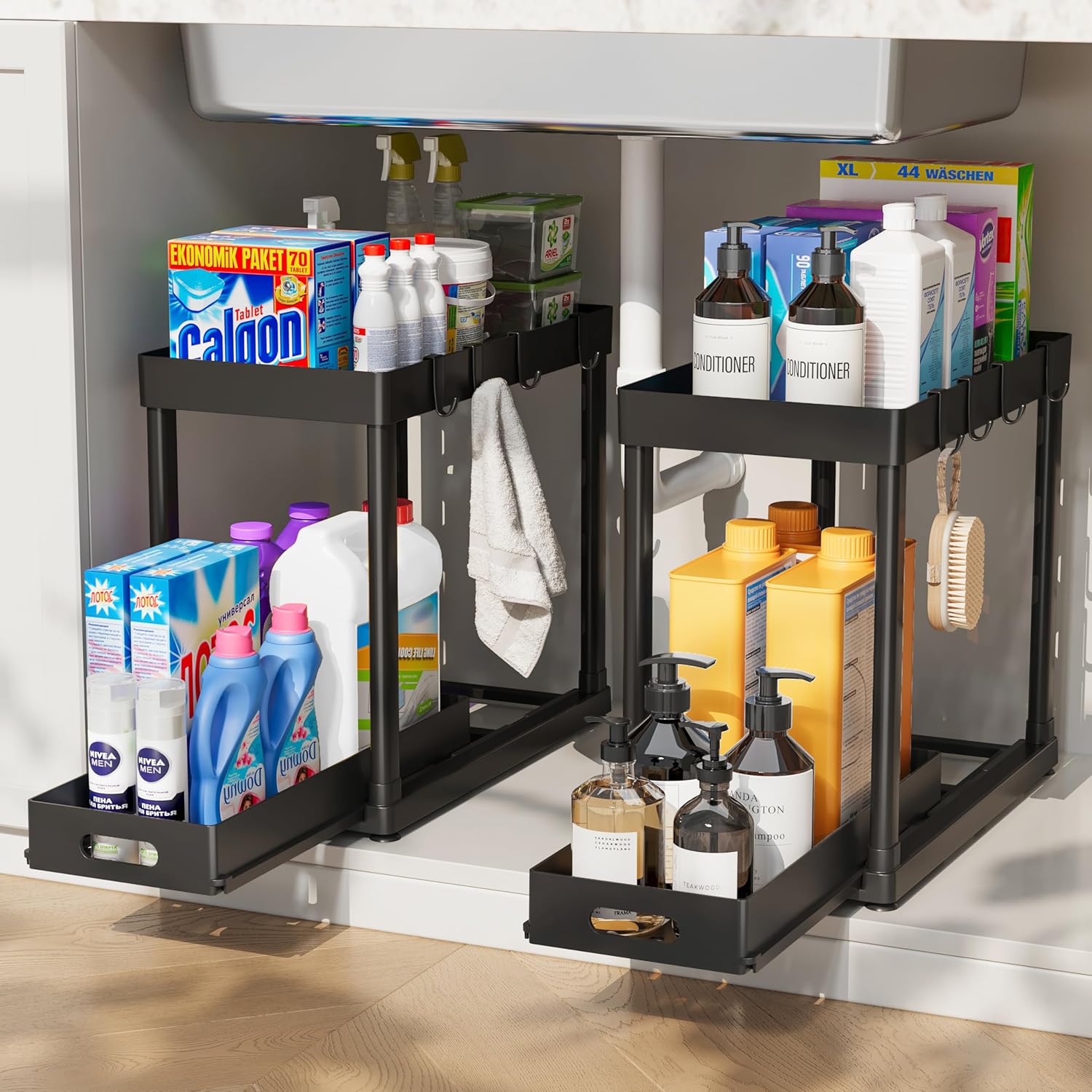
In a kitchen, for example, an over-the-door organizer can use otherwise wasted vertical space. Under-sink pull-out organizers can make supplies easier to see and access. The important principle is storage should match the workflow. A beautiful organizer that is difficult to reach will not remain useful for long.
6. Refresh Textiles Before Replacing Furniture
If the furniture is structurally sound and the layout works, replacing every large piece is rarely the first budget move I would recommend. Start with the softer layers:
- curtains
- cushions
- throws
- rugs
- bedding
- slipcovers where appropriate
Use these pieces to introduce a controlled color or texture change. Before purchasing a rug, measure the seating area and decide how much of the furniture should sit on it. Before replacing curtains, measure both the window and the available wall space.
Buying textiles according to the room’s actual dimensions is much more effective than choosing them solely from a product photograph.
7. Update Hardware Where Hands and Eyes Notice It
Small hardware changes can be worthwhile when the existing pieces are dated, damaged, or inconsistent. Cabinet pulls, drawer handles, knobs, and selected bathroom hardware can change the visual character of a room without replacing the underlying furniture.
Before buying replacements, measure the existing hardware carefully. For cabinet pulls, record the distance between the mounting holes rather than relying only on the overall length. Also check screw length and mounting requirements.
This is a small detail, but ordering the wrong size can turn an inexpensive upgrade into an unnecessary return or repair.
8. Use Shelves Carefully
Floating shelves can provide useful storage and display space, especially in rooms where floor area is limited. But open shelving should not automatically replace closed cabinets. Open shelves work best for items that are attractive, frequently used, or easy to keep organized. Closed storage is usually better for visual clutter, miscellaneous supplies, and objects that do not need to be displayed.
If you install shelves, check the wall construction, use suitable fixings for the load, and avoid placing them where they interfere with doors, windows, or normal movement. The goal is not to put storage everywhere. It is to put the right kind of storage in the right place.
9. Renovate One Room at a Time
Trying to update the entire house simultaneously makes a limited budget disappear quickly. Choose one room and finish its highest-priority work before moving to another. A useful sequence is:
- Fix damage and maintenance issues.
- Improve the layout and circulation.
- Complete painting or other surface work.
- Improve lighting.
- Add or improve storage.
- Add textiles.
- Finish with artwork and decorative accessories.
This order also reduces the chance of damaging new decor while carrying out messy work.
10. Know When to Repair Instead of Replace
Before replacing a piece of furniture, ask what is actually wrong with it. A solid table may only need refinishing. A good cabinet may need new hardware. A sofa with a sound frame may need a new arrangement of cushions or a suitable cover rather than immediate replacement.
Replacement makes more sense when the piece is damaged beyond reasonable repair, fundamentally wrong for the room, uncomfortable, or incompatible with the way the space is used. A budget renovation should not become an excuse to throw away useful furniture.
11. Create a Simple Style Direction
Budget renovations can look disconnected when every purchase is made independently. Choose a small set of design decisions before shopping. For example:
- one dominant neutral
- one supporting color
- one wood or metal tone
- two or three recurring textures
Then use those decisions across the room. You do not need everything to match. Repeating a few elements is enough to make separate purchases feel intentional. This also makes future decorating easier because you have a framework for deciding whether a new item belongs.
12. What Not to Spend Money On First
When the budget is tight, postpone purchases that have little effect on function or overall composition. Examples include:
- too many small decorative objects
- duplicate storage containers you do not need
- trend-driven accessories that do not fit the room
- oversized artwork chosen without measuring the wall
- replacement furniture that solves no real problem
One well-chosen improvement can have more impact than ten small purchases.
A Practical $500 Room Refresh Example
Suppose you have a modest $500 budget for a living-room refresh and the furniture is still usable. Instead of buying a new sofa, you could prioritize the room like this:
$150 — lighting: one quality floor lamp and a suitable bulb or shade upgrade.
$120 — rug contribution: choose a correctly sized rug or put the money toward the best rug you can afford after measuring the seating area.
$80 — paint and preparation: paint plus filler, rollers, brushes, and preparation supplies.
$75 — textiles: a small number of coordinated cushion covers or a throw.
$50 — storage: baskets or another solution for a specific clutter problem.
$25 — finishing detail: one piece of artwork, greenery, or another meaningful accent.
The exact prices will vary, but the principle is important: spend the largest share where the room has its biggest problem.
A Room-by-Room Priority Guide
Living room
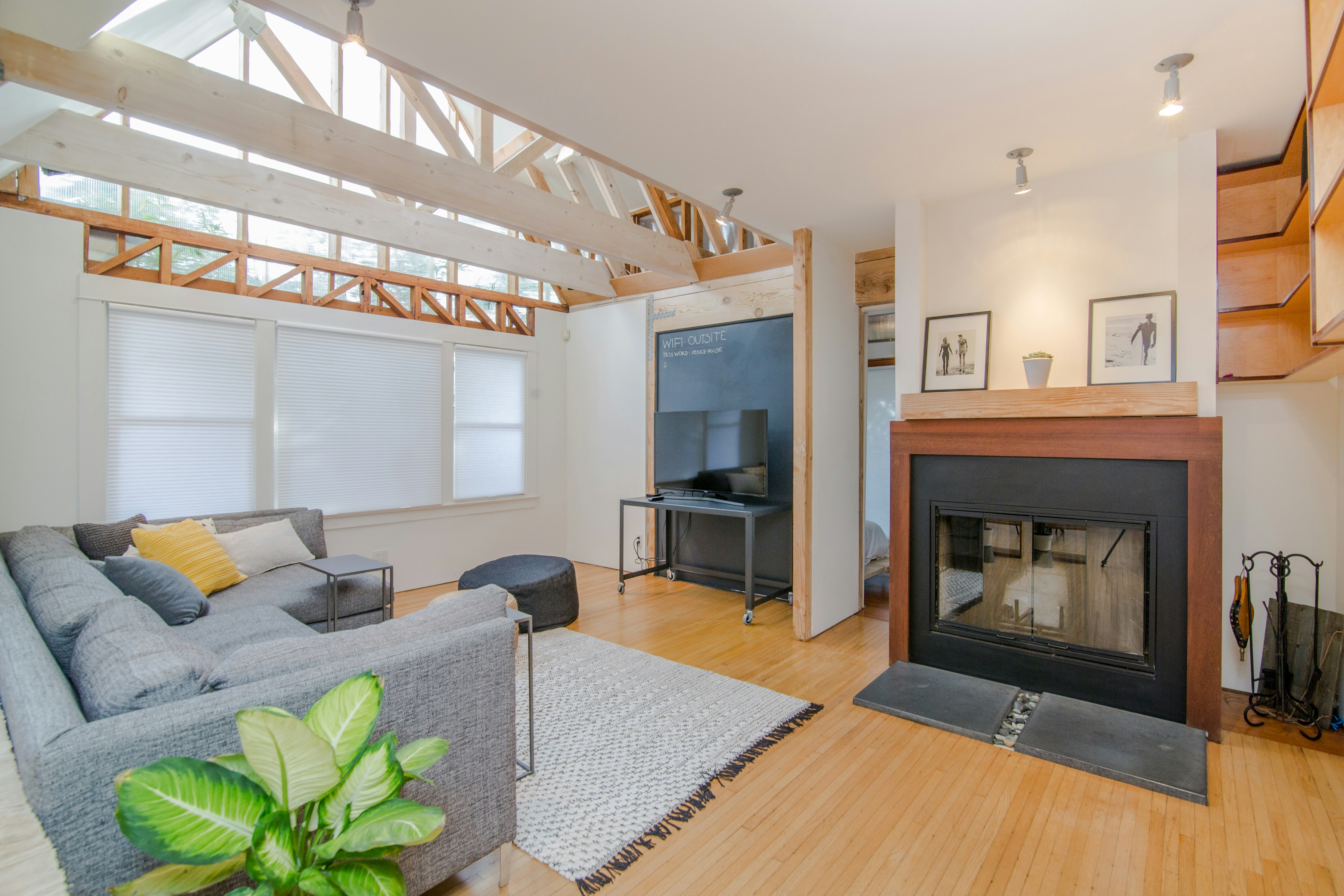
Prioritize furniture layout, lighting, rug size, and clutter control before decorative accessories.
Bedroom
Start with sleep-related comfort, lighting, curtains, bedding, and storage. Decorative changes come after those basics.
Kitchen
Focus on workflow, storage, lighting, cabinet hardware, and surfaces that are easy to maintain. Avoid buying organizers until you know what needs organizing.
Bathroom
Prioritize damaged fixtures, lighting, storage, hardware, and easy-to-clean surfaces. Check compatibility before replacing plumbing fixtures.
Entryway
Concentrate on a landing zone for keys and everyday items, appropriate storage, lighting, and a correctly sized rug or runner.
The Budget Renovation Checklist
Before buying anything, ask:
- What problem does this purchase solve?
- Do I know the required dimensions?
- Does it work with what I already own?
- Is it durable enough for the room?
- Could I repair or repurpose something instead?
- Have I allowed for installation and supplies?
- Will I still like it if the current trend changes?
If you cannot answer the first question, the purchase may not deserve priority.
Final Thoughts
A successful budget renovation is less about finding the cheapest products and more about making better decisions about where your money goes. Fix the problems that affect daily life first. Measure before purchasing. Improve lighting and storage where they are genuinely weak. Refresh sound furniture instead of replacing it automatically, and use paint and textiles strategically rather than treating every surface as a renovation opportunity.
Most importantly, finish one room before spreading your budget across the whole house. A completed, cohesive room will usually feel more satisfying than five rooms containing half-finished projects. The best budget renovation is not the one that buys the most. It is the one that solves the most important problems with the least unnecessary spending.
Disclaimer: Glimerz is a participant in the Amazon Services LLC Associates Program, an affiliate advertising program designed to provide advertising fees by advertising and linking to Amazon.com. When you click certain product links in this post and make a qualifying purchase, we may earn a small commission at no additional cost to you. We only recommend products we believe add genuine value to our readers.