Renting does not mean your home has to look temporary. The challenge is choosing improvements that make a noticeable difference without creating expensive repairs when the lease ends.
The safest approach is to think in layers of reversibility. Start with changes that touch nothing permanently, then consider removable products only after checking your lease and the condition of the existing surfaces. A renter-friendly makeover should be attractive on move-in day and straightforward to undo on move-out day.
This guide focuses on practical decorating rather than assuming that every landlord allows drilling, painting, wallpaper, or hardware changes. Your lease, local tenancy rules, and the condition of the property always take priority.
1. Read the Lease Before Buying Anything
The first renter-friendly decorating tool is your lease. Look for clauses covering:
- painting or changing wall colors
- wallpaper and adhesive products
- drilling or mounting items
- replacing light fixtures
- changing cabinet or door hardware
- installing curtain rods
- attaching shelves
- balcony or exterior changes
If the wording is unclear, ask the landlord or property manager before making the change. Written permission is preferable for anything that could reasonably be disputed later. Also photograph the apartment before decorating. Take clear pictures of walls, floors, doors, cabinets, appliances, and existing damage. Keep them with your move-in inspection records.
That documentation is useful independently of your decorating plans because it establishes the property’s condition when you received it.
2. Start With Changes That Leave the Walls Alone
If you want the lowest-risk transformation, begin with things that can be moved out when the lease ends:
- floor and table lamps
- rugs
- cushions and throws
- freestanding mirrors
- plants
- artwork that can lean rather than hang
- baskets and storage furniture
- removable textiles
These changes can establish the apartment’s color palette and texture without committing you to a wall treatment. They also make a useful test. If a room still feels wrong after furniture placement, lighting, and textiles are improved, you have learned something before spending money on a more complicated modification.
3. Fix the Lighting Before You Add More Decor
Many rental apartments feel colder than they need to because the lighting plan is limited to one ceiling fixture per room. Instead of replacing the fixture immediately, build a small lighting network around the room.
Living room
Try a floor lamp beside the seating area, a table lamp on a console or side table, and the existing ceiling light for general illumination.
Bedroom
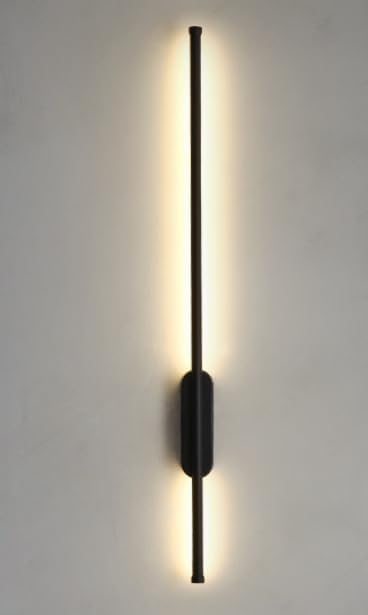
Bedside lamps or rechargeable wall lights can provide useful reading light without requiring new wiring.
Desk or work corner
Use a dedicated task lamp so the work surface is illuminated independently of the room’s general lighting. For bulbs, choose the color temperature based on the activity and the existing fixtures rather than applying one number everywhere. Warm white around the 2700–3000K range can work well for relaxing areas, while a workspace may benefit from a different specification depending on the task and personal preference.
If you use rechargeable sconces or adhesive-mounted lighting, follow the manufacturer’s mounting and weight instructions. Do not assume that an adhesive mount is suitable for every wall surface.
4. Use a Large Enough Rug to Define the Room
A rug can hide an unattractive floor, soften a hard surface, and visually connect separate pieces of furniture. The key is choosing the size before choosing the pattern. For a living room, measure the seating arrangement first. A rug that is only slightly larger than the coffee table can make the furniture appear disconnected. A larger rug that reaches under at least the front portions of the main seating pieces usually creates a stronger visual relationship.
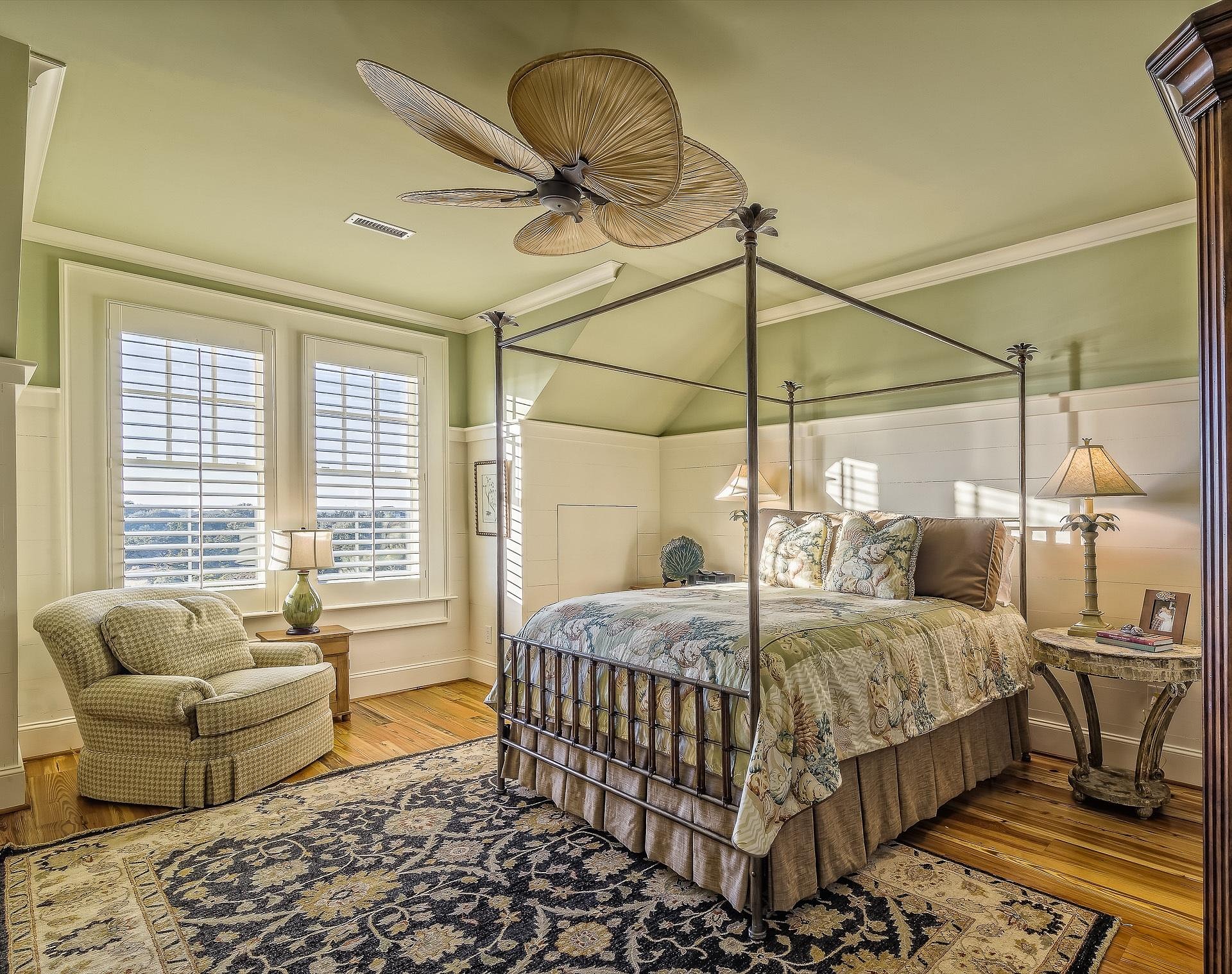
In a bedroom, measure from the bed outward and consider how much rug you want visible on the sides and at the foot. For a dining area, remember that chairs should remain on the rug when they are pulled away from the table. This usually requires a larger rug than the tabletop alone suggests.
Washable rugs can be particularly practical in rentals because they are easier to clean and can move to your next home.
5. Treat Peel-and-Stick Wallpaper as a Test-First Project
Removable wallpaper can create a dramatic change, but it should never be treated as automatically damage-free. Paint condition, wall texture, adhesive strength, humidity, previous repairs, and the product itself can all affect removal. Some landlords may also prohibit it.
If your lease permits removable wallpaper, start with the manufacturer’s instructions and test a small, inconspicuous area. Do not install an entire feature wall before you know how the particular product behaves on your particular surface. A single accent area is often enough. Good candidates include:
- behind a bed
- behind a desk
- the wall behind a sofa
- a small entryway section
- the inside of an approved cabinet or nook
Measure the wall before ordering so you can account for pattern repeats, waste, and replacement pieces.
6. Create Art Displays Without Automatically Drilling
Bare walls can make a rental feel unfinished, but there are several ways to display art without immediately reaching for a drill. For lightweight artwork, use an appropriate removable hanging system exactly according to its weight and surface limitations. Different products have different load ratings and removal procedures.
For heavier frames or mirrors, do not assume that an adhesive strip is sufficient. Check the product specifications, wall material, frame weight, and lease restrictions. When in doubt, use a freestanding or leaning solution instead.
A simple gallery arrangement can be planned on the floor first. Lay the frames out in the intended arrangement, measure the overall width and height, and photograph the layout before moving it to the wall. For an especially low-risk option, lean a large framed print or mirror against a wall on a stable surface. Keep it away from areas where it could be knocked over and secure it appropriately if children or pets are present.
7. Make a Rental Kitchen Feel More Personal
The kitchen often contains the most visible evidence of the apartment’s original style: cabinet fronts, handles, counters, backsplash, and appliances. Start with reversible changes:
- add a useful tray for frequently used items
- organize a cabinet according to how you actually cook
- use attractive containers where they improve visibility
- add a washable runner if the layout allows
- bring in color through towels and textiles
- use a small plant where light conditions permit
If you want to replace cabinet knobs or pulls, first confirm that the lease permits it. Measure the existing hardware, including the distance between mounting holes for pulls. Store every original piece in a labeled bag so it can be returned to the correct location.
Do not make holes or permanent alterations simply to achieve a particular kitchen aesthetic.
8. Use Curtains to Soften the Windows
Window treatments can make a rental feel much more finished, but the installation method is important. If drilling is not permitted, investigate options such as tension rods or approved no-drill systems that fit the particular window and curtain weight. Do not use a mounting system simply because it is advertised as removable; check its load rating and the manufacturer’s requirements.
Before buying curtains, measure:
- the window width
- the available mounting width
- the distance from the intended rod position to the floor
- the curtain length you want
If the existing blinds must remain, choose curtains that work around them rather than interfering with their operation. Full-length curtains can visually emphasize ceiling height, but they are not automatically the best choice for every rental. A small window, radiator, heater, furniture arrangement, or door may require a different solution.
9. Add Personality Without Adding Permanent Features
Once the functional pieces are working, add the details that make the apartment feel like yours. Use a small design vocabulary rather than buying unrelated decorations. For example:

- warm wood + cream + muted green
- black accents + warm white + natural fiber
- blue + off-white + medium wood
Then repeat those elements through cushions, books, ceramics, artwork, rugs, and small accessories. Plants can also provide color and texture, but choose them according to the actual light available in the room rather than assuming that every plant will thrive in an apartment corner. Personal photographs, books, travel objects, handmade pieces, and inherited items are especially useful here because they contribute identity rather than simply filling empty surfaces.
10. Make Storage Attractive and Removable
A rental can feel cluttered even when the decoration itself is good. Look for storage opportunities that do not require construction:
- baskets under consoles
- storage ottomans
- freestanding shelving where permitted
- over-door organizers where the door and product are compatible
- drawer organizers
- lidded boxes for seasonal items
The best storage improvement is often the one that removes a recurring visual problem. If shoes always collect by the entrance, solve the shoe problem. If charging cables cover the desk, create a charging zone.
Decorating and organization should work together rather than compete for space.
11. Build a Deposit-Safe Decorating Plan Room by Room
Living room
Start with furniture placement, a correctly sized rug, layered lighting, and one strong piece of artwork or a freestanding mirror.
Bedroom
Prioritize bedside lighting, bedding, curtains, a rug if appropriate, and personal artwork. Keep pathways around the bed clear.
Kitchen
Improve organization and countertop presentation first. Consider hardware changes only if permitted and if the measurements match.
Bathroom
Use towels, a washable bath mat, storage baskets, and removable accessories to introduce color. Avoid adhesives in wet areas unless the product is specifically designed for that environment.
Entryway
Create a landing spot for keys and everyday items. A slim freestanding console, bench, basket, or mirror can work without changing the structure of the apartment.
12. A Practical $300 Rental Makeover
A renter with a $300 decorating budget does not need to renovate every room. For example:
$100 — lighting: one floor lamp or two useful table/task lamps.
$80 — textile layer: a cushion update, throw, curtains, or contribution toward a correctly sized rug.
$50 — storage: baskets or organizers for a specific recurring clutter problem.
$40 — artwork: one meaningful print or second-hand framed piece.
$30 — finishing layer: a plant, vase, books, or another personal object.
The exact prices will vary by location and what you already own. The important part is the allocation: spend most of the money on changes you can see and use every day rather than scattering the budget across dozens of small objects.
13. The Move-Out Test
A useful renter’s rule is to ask this question before every modification: “If I had to move next month, could I remove this without leaving the property worse than I found it?” If the answer is no, stop and check the lease or get written permission. Before moving out:
- remove temporary artwork carefully
- take down removable fixtures according to their instructions
- return original cabinet hardware
- patch or repair anything you are responsible for under the lease
- clean adhesive residue only with a method suitable for the surface
- restore furniture placement if required
- photograph the apartment after your belongings are removed
Do not wait until moving day to discover that a product left adhesive, paint damage, holes, or another problem.
14. Common Rental Decorating Mistakes
Assuming “removable” means risk-free
Adhesive products can behave differently on different paints, finishes, textures, and surfaces.
Hanging heavy objects with unsuitable hardware
A lightweight picture and a large mirror have very different mounting requirements. Weight and wall type matter.
Buying curtains without measuring
A beautiful curtain that is too short, too narrow, or incompatible with the existing blind can make the window look less finished rather than more finished.
Replacing hardware and losing the originals
Always label and store the landlord’s hardware together.
Decorating before fixing the layout
If a sofa blocks a walkway, adding cushions will not solve the problem. Function comes first.
Making every room a different style
Rental-friendly purchases become easier when a few colors, materials, and shapes repeat throughout the apartment.
15. The Rental Decorating Checklist
Before making a change, check:
- Does my lease permit it?
- Does it touch or alter the property permanently?
- Have I photographed the existing condition?
- Have I measured the space?
- Do I know the product’s weight or mounting limit?
- Have I tested an adhesive product in a discreet location where appropriate?
- Can I store the original hardware or fixtures safely?
- Will this change interfere with a door, window, heater, outlet, or walkway?
- Can I remove it correctly when I move?
- Is this solving a real problem or simply filling an empty spot?
If the answer to the last question is “filling an empty spot,” wait. Empty space is often useful in a small rental.
Final Thoughts
A rental becomes a home through the same things that make any space work well: good lighting, sensible furniture placement, useful storage, comfortable textiles, and objects that reflect the people who live there. You do not need to permanently change the walls to achieve that feeling. Start with movable pieces, measure carefully, test removable products before committing, and treat your lease as part of the design brief.
The best rental makeover is not the one that looks the most dramatic for a photograph. It is the one that makes everyday life better and still gives you a straightforward path back to the original apartment when it is time to move.
Disclaimer: Glimerz is a participant in the Amazon Services LLC Associates Program, an affiliate advertising program designed to provide advertising fees by advertising and linking to Amazon.com. When you click certain product links in this post and make a qualifying purchase, we may earn a small commission at no additional cost to you. We only recommend products we believe add genuine value to our readers.