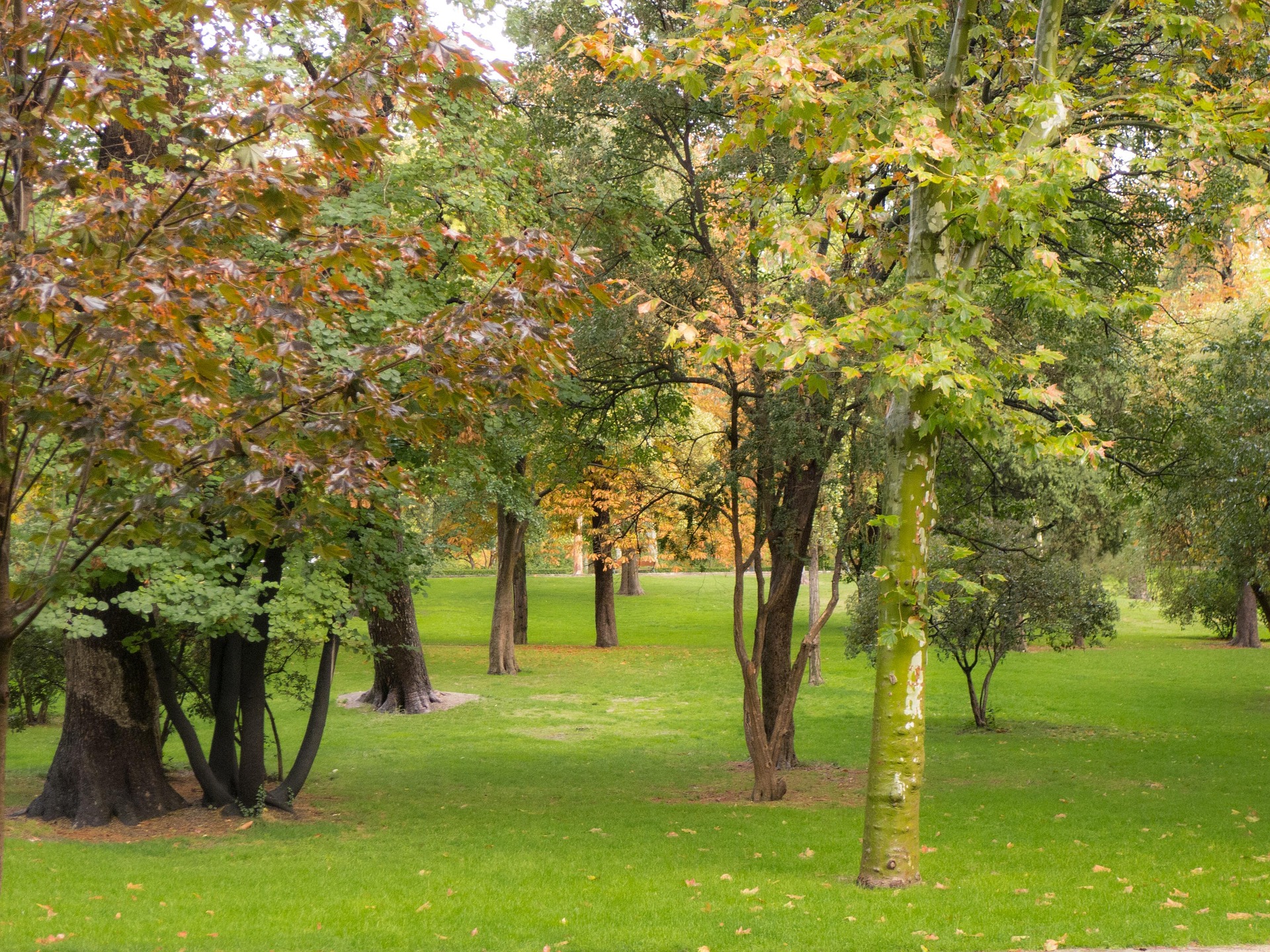
A healthy lawn can change how a yard feels. It gives children a place to play, creates a softer setting for outdoor seating, frames planting beds, and makes the space look cared for without requiring an elaborate landscape design.
There is also a less obvious benefit: a yard that is pleasant to use gives you another reason to spend time outside. Research on green spaces and outdoor activity suggests that access to vegetation can support mood and well-being, but the effect should not be reduced to a promise that a particular lawn will lower stress or improve mental health. Your enjoyment will depend on the whole setting, including shade, temperature, privacy, noise, and whether the yard is actually comfortable to use.
For homeowners, that leads to a more useful question than “How do I make my grass perfectly green?” The better question is: How do I keep the lawn healthy enough to support the way I use my yard? This guide focuses on that practical goal.
Start by Understanding Your Lawn
Before buying fertilizer, seed, or equipment, identify what you are working with. Different grasses have different preferences for temperature, mowing height, watering, and seasonal growth. A recommendation that works well for one grass type or climate can be inappropriate for another. If you are unsure what you have, take a small sample or clear photograph to a local garden center, extension service, or knowledgeable lawn professional before making a major treatment plan.
Also inspect the site itself. Note:
- Areas receiving full sun versus several hours of shade
- Places where water collects after rain
- Thin areas caused by foot traffic
- Bare soil beneath trees
- Spots repeatedly damaged by pets
- Areas close to paving that become especially hot or dry
- Places where grass struggles every year despite regular care
A recurring bare patch is useful information. Re-seeding the same failed location repeatedly may treat the symptom without fixing the underlying problem.
Feeding: Test Before You Treat
Fertilizer can help when nutrients are limiting growth, but more fertilizer is not automatically better. Excess nutrients can contribute to runoff and may damage grass when applied incorrectly. A soil test is a much better starting point than guessing. It can help identify whether nutrients or soil conditions need attention and can make your fertilizer choice more deliberate.
If fertilizer is appropriate, follow the product label for your grass type, application rate, timing, and safety instructions. A broadcast spreader can make distribution more consistent than trying to scatter granular fertilizer by hand.
A Simple Fertilizer Routine
- Identify the grass type and growing season.
- Test the soil when appropriate for your region.
- Choose a fertilizer based on the actual need rather than the promise of the biggest growth.
- Calibrate the spreader according to the product instructions.
- Avoid applying before heavy rain unless the label specifically recommends it.
- Keep fertilizer away from hard surfaces where granules can wash into drains.
- Store unused fertilizer securely and follow local disposal guidance.
The goal is steady, appropriate growth—not the darkest possible green color at any cost.
Watering: Aim for Thorough Coverage
A lawn does better with a watering approach suited to its soil, grass type, weather, and local restrictions than with a fixed “five minutes every day” routine. Frequent shallow watering can encourage a shallow root system, but simply watering for a long time is not automatically better. The useful target is even moisture through the root zone without leaving the soil saturated for prolonged periods.
An oscillating sprinkler can be useful for distributing water across a rectangular lawn, but check its actual coverage rather than assuming the spray pattern is even.
The Tuna-Can Watering Check
You can estimate how much water your sprinkler is applying by placing several straight-sided containers, such as empty tuna cans, around the lawn’s coverage area. Run the sprinkler for a set period and compare the water collected in each container. If one area receives much more water than another, reposition the sprinkler or change the watering pattern. This simple test also shows whether your lawn is receiving a meaningful amount of water rather than relying on the clock alone.

Watering should also follow local regulations and current weather. During rainy periods, additional irrigation may be unnecessary. During heat or drought, some lawns may need a different schedule—or may need to be allowed to go dormant depending on grass type and local conditions.
Repair Bare Spots Instead of Treating the Whole Yard
Bare areas have different causes, so diagnose them before spreading seed.
Foot Traffic
If a path across the lawn repeatedly becomes worn, adding a stepping path may be more effective than reseeding the same strip every few months.
Shade
Dense shade can make it difficult for turf to compete. In those locations, a shade-tolerant groundcover, mulch, or another landscape treatment may be more sustainable than repeatedly forcing sun-loving grass to grow.
Pets
Pet traffic and concentrated urine can create recurring damage. A combination of lawn repair and changing where the pet spends time may produce better long-term results.
Compacted Soil
Repeated traffic can compact soil and reduce the conditions roots need. Aeration or other soil improvement may be appropriate, but the correct approach depends on soil type and grass. When reseeding is appropriate, choose seed suited to your existing lawn and growing conditions. Follow the seed packaging for preparation, application, and watering instructions rather than treating every grass variety the same way.
Mowing: Height Is a Health Decision
Mowing is not simply about making the lawn look short. The correct cutting height helps the grass maintain enough leaf area for continued growth. Avoid removing a large portion of the grass blade in one mowing session. If the lawn has become unusually tall, gradually bring it back toward the recommended height for that particular grass instead of scalping it.
Keep mower blades reasonably sharp. A dull blade can produce a rougher cut and leave the lawn looking uneven. A cordless electric mower can be convenient for many residential yards, particularly where lower noise and easier starting are priorities. But the important feature is not whether the mower is electric or gas. It is whether the mower can comfortably handle your lawn while allowing you to maintain an appropriate cutting height.
Mowing Patterns Are Decorative, Not the Main Goal
Alternating mowing directions can create visible stripes because grass blades are bent in different directions. That can be attractive, but it is a cosmetic effect. Healthy turf should come first. Change mowing direction periodically rather than repeatedly following exactly the same track, especially in areas where repeated wheel traffic could contribute to compaction.
Think About the Yard as a Living Room Outdoors
A lawn becomes more valuable when it supports actual use. Consider what happens at the edge of the grass. A small seating area, shade tree, planting bed, path, or container garden can make the lawn feel intentional rather than like an isolated rectangle of turf.
If your yard is mainly viewed from inside, pay attention to the sightline from the kitchen or living room. A clean lawn edge, one attractive planting group, and a comfortable outdoor chair may have more visual impact than trying to make every square foot of grass perfect. This is where lawn care connects naturally with home decor: the outdoor space should support the way the home is used, not simply satisfy an idea of perfection.
A Practical Example: Repairing a Patchy 500-Square-Foot Lawn
Imagine a small backyard with a healthy central lawn but three recurring problems: a bare strip beside the patio, a thin area beneath a tree, and uneven watering from a single sprinkler. Instead of treating the whole lawn, start with the causes.

Step 1: Check the soil and grass. Identify the existing turf and determine whether the bare areas have compacted soil or another obvious problem.
Step 2: Fix the watering pattern. Place containers across the lawn and test the sprinkler. Adjust its position until coverage is more consistent.
Step 3: Change the high-traffic strip. If people regularly walk beside the patio, consider a narrow stepping path or edging solution instead of repeatedly reseeding it.
Step 4: Rethink the shaded area. If the tree canopy prevents sufficient light, choose a shade-appropriate landscape treatment rather than expecting the same turf performance as the sunny lawn.
Step 5: Repair only the areas that need it. Prepare the soil, apply suitable seed, and follow the seed instructions for establishment.
Step 6: Adjust mowing. Set the mower to the recommended height for the grass and avoid removing too much blade at once.
This approach costs less than automatically buying enough products to treat the entire yard, and it addresses the reasons the lawn became patchy in the first place.
A Simple Seasonal Lawn Checklist
Before the Main Growing Season
- Identify grass type and problem areas.
- Inspect irrigation equipment.
- Check mower condition and blade sharpness.
- Consider a soil test if growth has been poor.
- Remove debris without damaging emerging grass.
During Active Growth
- Mow at the appropriate height for your grass.
- Check soil moisture before irrigating.
- Watch for bare or thinning areas.
- Correct sprinkler coverage when necessary.
- Avoid unnecessary fertilizer applications.
During Heat or Drought
- Follow local watering restrictions.
- Adjust irrigation to actual weather and soil conditions.
- Avoid unnecessary traffic on stressed grass.
- Accept seasonal dormancy where appropriate for the grass type.
After Heavy Use or Weather Damage
- Identify the cause of thin areas.
- Repair compacted or damaged sections when conditions are suitable.
- Reseed only when the season and grass type support successful establishment.
When a Lawn Is Not the Best Choice
A lush lawn is not automatically the right landscape for every property. If a section is deeply shaded, difficult to irrigate, extremely steep, or rarely used, another treatment may be easier to maintain. Mulch, native or climate-appropriate planting, groundcover, a patio, or a path can sometimes solve the problem better than trying to maintain turf where it does not naturally perform well.
That is an important part of good yard design: use grass where grass makes sense.
Useful Lawn-Care Shopping List
You do not need a garage full of equipment to maintain a small residential lawn. Depending on the property, a basic setup may include:
- A mower suited to the lawn size and grass type
- A hose and appropriate sprinkler or irrigation system
- A spreader if granular products are genuinely needed
- Grass seed suited to the existing lawn and growing conditions
- A basic soil-testing option
- A rake and other simple hand tools
Buy equipment because it solves a recurring task. Do not buy a specialized tool simply because a perfectly green lawn photograph makes it look necessary.
Final Thought
A good lawn is not defined by an artificial standard of flawless green. It is a lawn that is appropriate for its climate, soil, grass type, available water, and the way your household actually uses the yard. Start by diagnosing problems rather than treating the whole property. Water deliberately, fertilize only when appropriate, mow at a suitable height, repair bare areas for their actual causes, and reconsider sections where turf is struggling year after year.
The result can be a yard that looks cared for and, more importantly, is comfortable enough that you want to spend time there. Disclosure: Glimerz may earn a commission from qualifying purchases made through affiliate links in this article. Product suggestions are included because they relate to the lawn-care methods discussed above.

