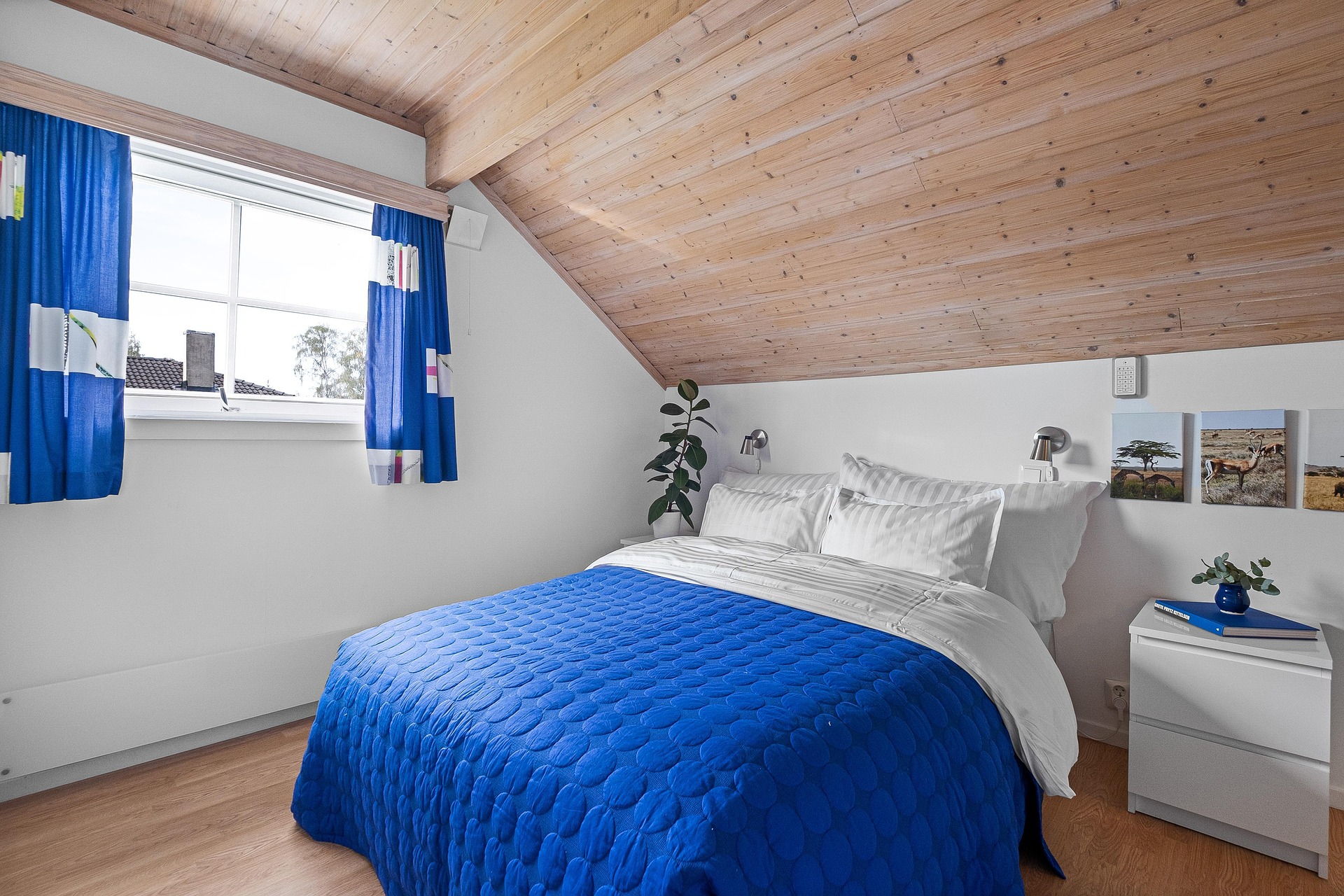
A room can have a good paint color, attractive furniture, and carefully chosen accessories and still feel strangely flat. Often the missing ingredient is not another color. It is variation in texture.
Texture is the quality you notice when a surface looks or feels smooth, rough, soft, woven, ribbed, nubby, matte, glossy, or slightly irregular. A chunky knit blanket beside a smooth sofa creates a different visual experience from a room where every textile has the same finish. A woven rug can introduce another layer against polished flooring, while linen-look curtains soften a hard window frame.
The useful part is that texture does not require a complete room makeover. You can build it gradually, starting with the largest surfaces and adding smaller contrasts until the room feels balanced.
First Understand What Your Room Already Has
Before buying textured accessories, make a quick inventory of the materials already in the room. Look at:
- Flooring
- Sofa and chair upholstery
- Curtains or blinds
- Bedding
- Wood furniture
- Metal fixtures
- Glass surfaces
- Wall finishes
- Rugs
- Existing baskets, ceramics, and plants
Then ask what is missing. If the room already contains a heavily patterned rug, velvet seating, woven baskets, and several decorative objects, adding more texture may make it feel busy rather than cozy. If the room contains mostly smooth painted walls, polished furniture, flat curtains, and a hard floor, a few tactile layers can make a much bigger difference.
The goal is contrast, not maximum texture.
Texture Is Not the Same as Pattern
These two ideas are often mixed together. A pattern describes a repeated visual design—stripes, checks, florals, geometric shapes, and similar motifs. Texture describes the surface itself.
A plain boucle cushion can have strong texture without a visible pattern. A printed cotton cushion can have a strong pattern while remaining visually smooth. This distinction helps when a room already contains patterns. If the sofa has patterned cushions and the rug is busy, you may not need another pattern. Instead, introduce a plain woven, knitted, ribbed, or nubby surface in a related color.
Build From Large Surfaces to Small Details
One of the easiest ways to avoid random decorating is to layer texture in order of scale.
1. Start With the Floor
The floor is one of the largest surfaces in the room. A rug can introduce warmth, visual weight, and a different surface underfoot. For a living room, choose a rug size that works with the furniture layout rather than selecting texture first. A rug that is too small can make a carefully decorated room feel disconnected.
If you already have a strongly textured floor covering, keep the next layers simpler. For example, a jute-style rug does not necessarily need a heavily textured throw and multiple boucle cushions on top of it.
2. Add the Main Upholstered Surface
The sofa, bed, or large upholstered chair usually provides the next major textile layer. If the upholstery is smooth, introduce one or two contrasting materials through cushions or a throw. If the upholstery is already highly textured, use smoother accessories to create balance.
Think in pairs of contrasts:
- Smooth + nubby
- Matte + subtle sheen
- Flat weave + chunky knit
- Hard wood + soft fabric
- Metal + natural fiber
You do not need every combination in one room.
3. Add Window Texture
Curtains create vertical fabric surfaces and can change the visual softness of a room considerably. A linen-look or lightly woven panel can work well in a room dominated by hard surfaces. In contrast, a very textured curtain may be unnecessary if the room already has several large textile elements.
When choosing curtains, consider both texture and function. Privacy, light control, cleaning requirements, and the amount of natural light matter just as much as appearance.
4. Finish With Small Objects
Only after the larger layers are working should you add smaller tactile details such as baskets, ceramics, wood accessories, woven trays, plants, or small fabric pieces. These details are useful because they can repeat a material without making it the dominant feature. A single woven basket can echo a jute rug. A wooden bowl can connect to timber furniture. A ceramic vase can introduce a matte surface beside glossy cabinetry.
Use a Simple Three-Layer Texture Framework
For most rooms, a useful starting point is to think about three levels:
Base texture: the floor, walls, major furniture, or large rug.

Middle texture: curtains, upholstery, bedding, larger cushions, and throws.
Fine texture: baskets, ceramics, books, plants, small accessories, and artwork frames.
The proportions do not need to be exact. The framework simply prevents you from filling every available surface with small decorative objects while ignoring the major surfaces of the room.
How Many Textures Should You Use?
There is no universal number that works for every room. Instead of counting textures, look for meaningful variation. A relatively simple living room might combine:
- Smooth painted walls
- Wood flooring or furniture
- A woven rug
- Smooth upholstery
- One chunky or nubby textile
- Matte ceramic accessories
That is already enough variation to make a neutral room interesting. A larger room with many materials can handle more. A small room may need fewer, larger changes rather than many small ones.
If you are unsure, take a photo of the room and look at it in black and white. You will not see the actual material differences, but you can identify whether the room has enough variation in light, shape, and visual weight. Then touch the actual materials and decide where tactile contrast is missing.
Layer Textures Within One Color Family
Texture is particularly useful when you prefer a restrained color palette. Imagine a living room built around warm white, beige, and muted olive. Instead of introducing several additional colors, you could vary the surfaces:
- Warm white painted walls
- Beige linen-look curtains
- A natural woven rug
- Smooth beige sofa upholstery
- Olive boucle cushions
- A chunky knit throw
- Matte ceramic accessories
The colors remain controlled while the materials create visual variation. This also connects with the whole-home color palette approach: you can repeat a color without repeating the exact same fabric or object in every room.
Choose Texture According to the Room
Living Room
The living room is usually the easiest place to layer several materials because it already contains seating, flooring, curtains, lighting, and decorative objects. Start with the rug and sofa. Add two or three cushion materials rather than buying many cushions that all feel identical. Finish with one throw and a small number of natural or handmade-looking accessories.
Bedroom
Bedrooms benefit from textile layering because the bed occupies a large visual area. Combine smoother sheets with a textured quilt or coverlet, then add a throw at the foot of the bed. A textured lumbar cushion can provide contrast without requiring a large number of pillows.
Keep practical considerations in mind: bedding should still be comfortable, washable, and appropriate for the season.
Dining Room
Dining rooms often contain many hard surfaces—tabletop, chairs, flooring, lighting, and cabinetry. A woven runner, upholstered seating, natural-fiber rug where practical, or textured curtains can soften the room. Avoid placing delicate high-pile textiles where chairs repeatedly catch or food is likely to be spilled.
Entryway
An entryway needs durability as much as visual softness. A washable or easy-clean rug, woven basket, wood surface, and fabric seating can create texture without filling the narrow circulation area with objects. Keep walkways clear. Texture should never interfere with the basic job of the entryway: getting in and out of the home easily.
Home Office
Use texture carefully. A woven rug, fabric chair, wood accessory, and soft curtain can make the office feel less sterile without covering the desk with decorative items that compete for attention.
A Worked Example: Refreshing a Plain Living Room
Consider a 12-by-14-foot living room with a beige sofa, smooth painted walls, wood-look flooring, simple blinds, and a small coffee table. The room does not need new furniture. Start with the largest missing layer.
Step 1 — Add the rug. Choose a rug large enough for the seating arrangement. A low- or medium-texture woven rug introduces contrast with the hard floor.
Step 2 — Improve the windows. Replace the visually flat blinds with simple textured curtain panels if the room needs softness and the installation is practical.
Step 3 — Layer the sofa. Use two or three cushion covers with different surface qualities—perhaps a smooth cover, a nubby boucle, and a subtle woven fabric. Keep their colors within the existing palette.
Step 4 — Add one throw. Place a chunky knit or similarly tactile throw over one side of the sofa rather than covering the entire piece.

Step 5 — Add one natural material. A woven basket beside the sofa can provide storage while repeating the rug’s material language.
Step 6 — Stop and evaluate. If the room now feels balanced, do not add more objects simply because empty space remains.
The important change is not any single product. It is the progression from hard and smooth surfaces to a controlled mix of hard, soft, woven, and tactile materials.
Common Texture-Layering Mistakes
Making Everything Soft
If every surface is plush, fluffy, or heavily woven, there is no contrast. Keep some smooth surfaces so the softer materials have something to stand against.
Using Too Many Similar Textures
Five different beige cushions are not necessarily five useful layers. If they all have nearly identical surfaces, the room may still look flat.
Ignoring Scale
A tiny textured cushion cannot compensate for a rug that is much too small or curtains that visually disappear. Work from large surfaces toward small ones.
Mixing Too Many Patterns
Pattern and texture both create visual activity. When a room already has several patterns, use quieter solid fabrics with interesting surfaces.
Decorating Without Considering Maintenance
A high-pile rug may be beautiful but inconvenient in a home with pets or heavy foot traffic. Delicate fabrics may not be practical around young children. Choose texture according to how the room is actually used.
Treating “Cozy” as a Shopping List
Buying a blanket, four cushions, a rug, and curtains does not automatically create a cohesive room. First identify the surfaces that need contrast, then buy only what solves those problems.
A Budget-Friendly Way to Add Texture
You do not have to replace the room in one shopping trip.
Low budget: Start with cushion covers, one throw, a basket, or a simple textile runner.
Medium budget: Add a correctly sized rug or replace flat curtains with more substantial panels.
Larger refresh: Consider upholstery, a different headboard, wood furniture, or a more substantial floor covering.
When choosing between purchases, prioritize the item that changes the largest problematic surface. One correctly sized rug can often contribute more to the room than several small accessories.
Texture Shopping Checklist
Before buying a textured item, ask:
- What surface in the room is currently too smooth or visually flat?
- Does this item introduce a genuinely different material or just another color?
- Does its texture work with the existing rug, sofa, and curtains?
- Is the size appropriate for the furniture around it?
- Will it be comfortable and practical to maintain?
- Is the color already part of the room’s palette?
- If I remove this item, is the room actually missing something?
That last question is useful. Good decorating is often as much about editing as adding.
Final Thought
Layering texture is not about filling a room with blankets, pillows, and rugs. It is about creating controlled contrast between surfaces so that a room has visual depth and feels comfortable to use.
Start with what is already there. Identify whether the room needs a change at the floor, upholstery, windows, or smaller accessory level. Then introduce one material at a time, keeping colors related and leaving enough smooth surfaces for the textured ones to stand out.
A room does not need dozens of decorative pieces to feel finished. A well-sized rug, a few genuinely different textile surfaces, useful storage, and one or two natural materials can be enough to transform a flat space into one that feels layered without feeling cluttered. Disclosure: Glimerz may earn a commission from qualifying purchases made through affiliate links in this article. Product suggestions are included because they relate to the texture-layering methods discussed above.

