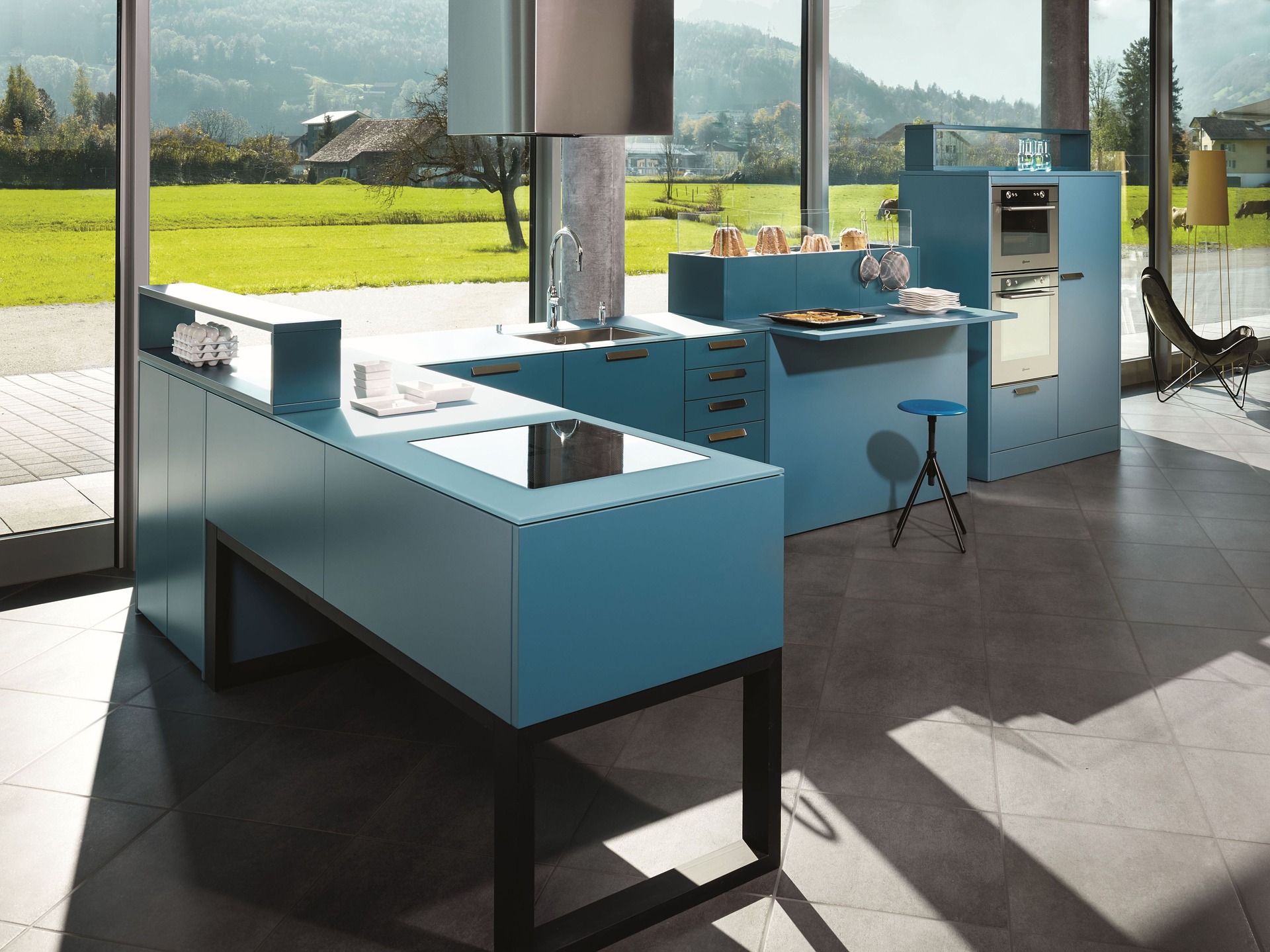
Open kitchen shelving can look wonderfully light and accessible, but the photographs rarely show the trade-off: whatever you put on the shelf becomes part of the room’s visual background. That can be an advantage when the contents are useful and cohesive, and a daily annoyance when they are cluttered, greasy, rarely used, or difficult to reach.
The right question is not simply, “Do open shelves look good?” It is, “Will open shelves improve this particular kitchen without taking away storage I genuinely need?” Use the guide below to make that decision before removing cabinet doors or drilling into a wall.
Start with the storage decision, not the styling
Before choosing brackets or shelf boards, list what the existing upper cabinets currently hold. Separate the contents into three groups:
- Daily-use items — plates, bowls, mugs, glasses, or frequently used ingredients.
- Occasional items — serving pieces, baking equipment, or seasonal dishes.
- Hidden storage — cleaning supplies, packaging, appliances, and anything that does not need to be visible.
Open shelving is usually most useful for the first group. If the upper cabinets are already essential for the second and third groups, converting all of them to open shelves may create a storage problem rather than solve one. A partial installation is often the more practical answer: keep most cabinets closed and use one shelf run as a display and easy-access zone.
When open shelving is a good fit
Open shelving tends to work well when you can keep its contents relatively edited and when the shelves are positioned where everyday items are easy to reach. It can be especially useful when:
- You use the same plates and bowls most days.
- You want frequently used items within easy reach.
- You have enough closed storage elsewhere for less attractive or rarely used items.
- The wall has enough depth and structural support for the intended shelf system.
- You are willing to wipe visible surfaces more often than closed cabinets.
It can also help break up a long run of solid cabinetry. One short shelf section may provide visual variety without sacrificing the majority of your enclosed storage.
When closed cabinets are the better choice
Open shelving is not automatically an upgrade. Think twice if the shelves would sit directly beside a cooking area where grease and steam are frequent, if your kitchen has very little storage, or if you tend to keep many different packages and small appliances on the counter. It may also be a poor fit if you dislike regular dusting or if the shelf contents need to remain visually hidden. There is nothing wrong with keeping practical kitchen equipment behind doors; good design should support how the kitchen is actually used.
If the proposed shelf would replace a cabinet that stores a large amount of equipment, calculate the lost capacity first. A beautiful shelf with nowhere to put the displaced items is an expensive storage mistake.
The middle ground: one shelf run
You do not need to convert an entire kitchen. A single pair of shelves can provide the open-shelf look while preserving closed storage for everything else. A useful location is often a wall section that is already relatively open and away from the highest-splash or highest-grease area. Keep the shelf close enough to the prep zone to be useful, but not so close that every item becomes an obstacle during cooking.
For renters, use only installation methods allowed by the lease and appropriate for the wall and shelf load. “Open shelving” describes the storage style; it does not mean every mounting method is damage-free.
Measure before buying the shelf
Take measurements at the actual installation location rather than relying on a generic shelf size. Record:
- Wall width: the usable horizontal space between corners, cabinets, windows, or appliances.
- Shelf depth: enough depth for the intended plates and bowls without creating an unnecessary projection into the room.
- Vertical spacing: enough clearance for the tallest item on the lower shelf and enough room to remove it comfortably.
- Counter clearance: sufficient space between the counter and the lowest shelf for normal food preparation and cleaning.
- Mounting position: avoid pipes, wiring, unsuitable wall areas, and locations where the fixing system cannot safely support the load.
For example, if your dinner plates are about 10 inches across, do not choose a shelf depth simply because the product photograph looks attractive. Allow room for the plates to sit securely and for your fingers to reach around them.
Weight matters more than the shelf photograph
A shelf holding a few decorative objects is very different from a shelf holding ceramic plates, bowls, mugs, and glass jars. Check the manufacturer’s load rating for the shelf and brackets and follow the fixing requirements. The actual safe capacity depends on the shelf material, bracket design, span, mounting method, wall construction, and how the load is distributed.

Place heavier items where the system is designed to support them, and do not assume that a higher advertised load applies to every type of wall or installation. If you are unsure whether a wall can safely support the proposed load, ask a qualified installer rather than guessing.
Style the shelf around real kitchen use
Once the structural and storage questions are solved, styling becomes much easier.
Start with the largest functional group
If the shelf is primarily for dinnerware, let the plates and bowls establish the visual structure. A matching ceramic dinnerware set can make a small group of everyday pieces look intentional without requiring a lot of decoration. Stack plates by size rather than creating many tiny piles. Keep the stack low enough to remove comfortably, and leave some visible shelf surface around it.
Add one vertical element
A cutting board, tray, cookbook, or narrow serving piece can introduce height without filling the shelf with small objects. Lean it securely and make sure it cannot slide forward when the shelf is bumped.
Use a small decorative piece selectively
A pitcher or serving vessel can provide a different shape from the horizontal plate stacks. One noticeable object is usually easier to maintain than a collection of small ornaments that compete with the functional pieces.
Repeat one visual characteristic
You do not need every object to match. Repeating a color, material, or finish across several items can create enough connection to make a mixed collection feel deliberate.
A simple three-zone styling method
Instead of trying to copy a photographed shelf exactly, divide each shelf run into three visual zones:
Functional zone: the items you reach for several times a week.
Supporting zone: a smaller stack, bowl, glass, or serving piece that balances the main group.
Accent zone: one decorative or less frequently used item.
Leave genuine empty space between groups. Negative space is not wasted storage; it makes the items you have easier to see and remove.
Lighting: useful, not just decorative
Open shelves can look flat in a dim corner, while a light mounted beneath a shelf can also improve visibility on the counter below. If you use LED strip lighting, check whether the product is suitable for the installation location and whether the power supply, wiring, and controls can be positioned safely away from water and heat. Conceal the strip where practical so you see the light rather than a row of exposed LEDs.
If the shelf is near a food-preparation area, choose a light level and color temperature that lets you distinguish food and surfaces comfortably. There is no need to force every kitchen into one exact bulb specification; the existing room lighting and your preference matter.

Cleaning is part of the design
Closed cabinets hide dust until cleaning day. Open shelves make it visible sooner, especially around cooking areas. That does not make open shelving impractical, but it changes the maintenance routine. Put items you use frequently on shelves that are easy to reach and clean. Keep less-used decorative pieces away from areas exposed to the most cooking residue.
Before installing shelves, ask yourself a simple question: Would I still like this arrangement if I had to wipe it down regularly? If the answer is no, use more closed storage.
Worked example: a 60-inch wall section
Suppose a kitchen has a 60-inch-wide wall section above part of the counter. The homeowner wants open shelving but does not want to lose the storage currently used for small appliances. A practical approach would be:
- Keep the appliance cabinet closed.
- Install a shorter shelf run on the available wall section rather than replacing the cabinet.
- Put frequently used plates and bowls on the lower shelf.
- Use a serving platter or cutting board as the vertical element.
- Add one small vessel as an accent.
- Keep the shelf partly empty so items can be removed without disturbing the whole arrangement.
- Add under-shelf lighting only after confirming the electrical or plug-in route is safe and tidy.
The result provides the visual character of open shelving without forcing the homeowner to sacrifice the storage they actually depend on.
Four common open-shelf mistakes
1. Removing too much closed storage. The kitchen becomes attractive but less functional.
2. Filling every inch. More objects do not necessarily make a shelf look more finished.
3. Ignoring the mounting surface. A beautiful shelf is not useful if the fixing method is unsuitable for the wall or load.
4. Styling for photographs instead of daily life. If every morning starts with moving decorative objects to reach the coffee mugs, the arrangement needs editing.
A better decision test
Before committing to open shelving, score the idea against these five questions:
| Question | If the answer is yes |
|---|---|
| Do you have closed storage for bulky or unattractive items? | Open shelving is more viable. |
| Will the shelf hold items you actually use? | Access becomes a benefit rather than decoration. |
| Can the wall and mounting system safely support the load? | Proceed only within the system’s specifications. |
| Are you comfortable with more visible cleaning? | Maintenance is less likely to become a frustration. |
| Can you keep some empty space? | Styling will be easier to maintain. |
If several answers are no, keep the cabinets and introduce openness through a smaller shelf section, a display ledge, or better organization inside the existing cabinets.
Final takeaway
Open shelving works best when it is treated as a storage decision first and a decorating decision second. Measure the wall, understand the load, protect the storage capacity you still need, and choose shelves for the way your kitchen is used. Then style with real dishes, a few useful serving pieces, one or two contrasting shapes, and enough empty space to make everything easy to see. A shelf does not need to be full to look finished.
The strongest kitchen is not the one with the most open shelving. It is the one where every visible item has a reason to be there and the rest of the kitchen still has enough closed storage to work comfortably.
Disclaimer: Glimerz is a participant in the Amazon Services LLC Associates Program, an affiliate advertising program designed to provide a means for sites to earn advertising fees by advertising and linking to Amazon.com. When you click certain product links in this post and make a qualifying purchase, we may earn a small commission at no additional cost to you. We only recommend products we believe add genuine value to our readers.

