A memorable table does not require formal china or a complicated centerpiece. A good setting is really a small system: each guest has the pieces they need, the colors and materials relate to one another, serving dishes have somewhere to go, and cleanup does not become a second event for the host. The most useful approach is to decide how formal the meal will be, how many people are coming, and which pieces need to survive the cleanup before you start decorating.
Start with the number of guests
Count the places before choosing accessories. For a four-person dinner, four complete place settings are enough; for a larger gathering, decide whether everyone will sit at once or whether the meal will be served buffet-style.
Then measure the table. As a comfortable starting point, allow roughly 24 inches of table width per seated guest. A 72-inch rectangular table, for example, can accommodate three places along each long side when the chairs and table design allow it, but the actual comfortable capacity depends on the table’s width, leg placement, and the size of the chairs.
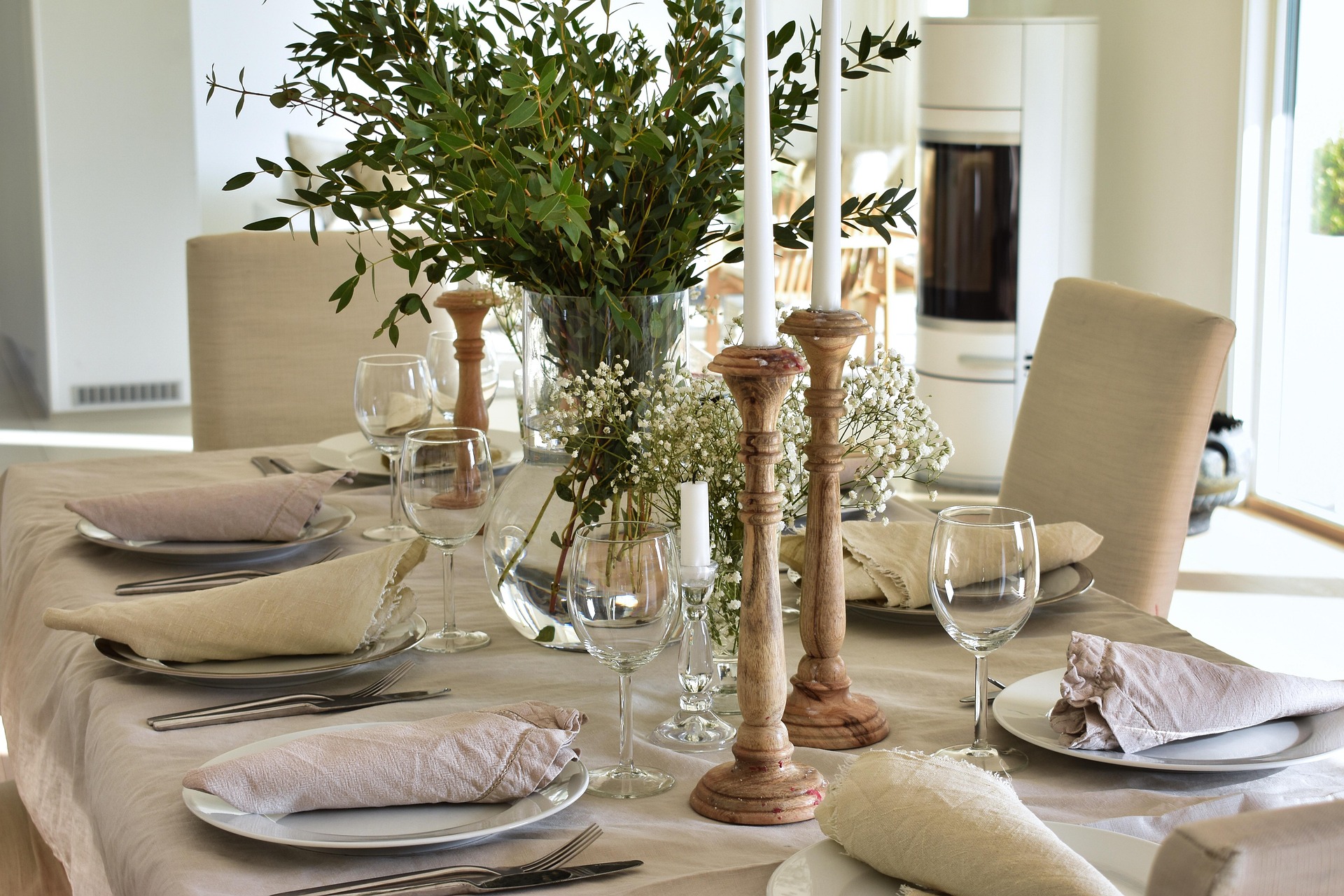
If you are using a centerpiece, keep it narrow enough that guests can see across the table. A beautiful arrangement that blocks conversation is not a successful setting.
Build a place setting from the basics
For most casual meals, you need only:
- Dinner plate
- Fork
- Knife
- Spoon when the menu requires one
- Drinking glass
- Napkin
Add a salad plate, bread plate, or additional utensils only when the meal actually calls for them. This keeps the table easier to navigate and reduces dishes at cleanup time. For a more formal dinner, place the utensils in the order they will be used, working from the outside toward the plate. The exact arrangement can vary with the menu, so there is no reason to put out every utensil you own simply to make the table look elaborate.
Choose glassware for the occasion
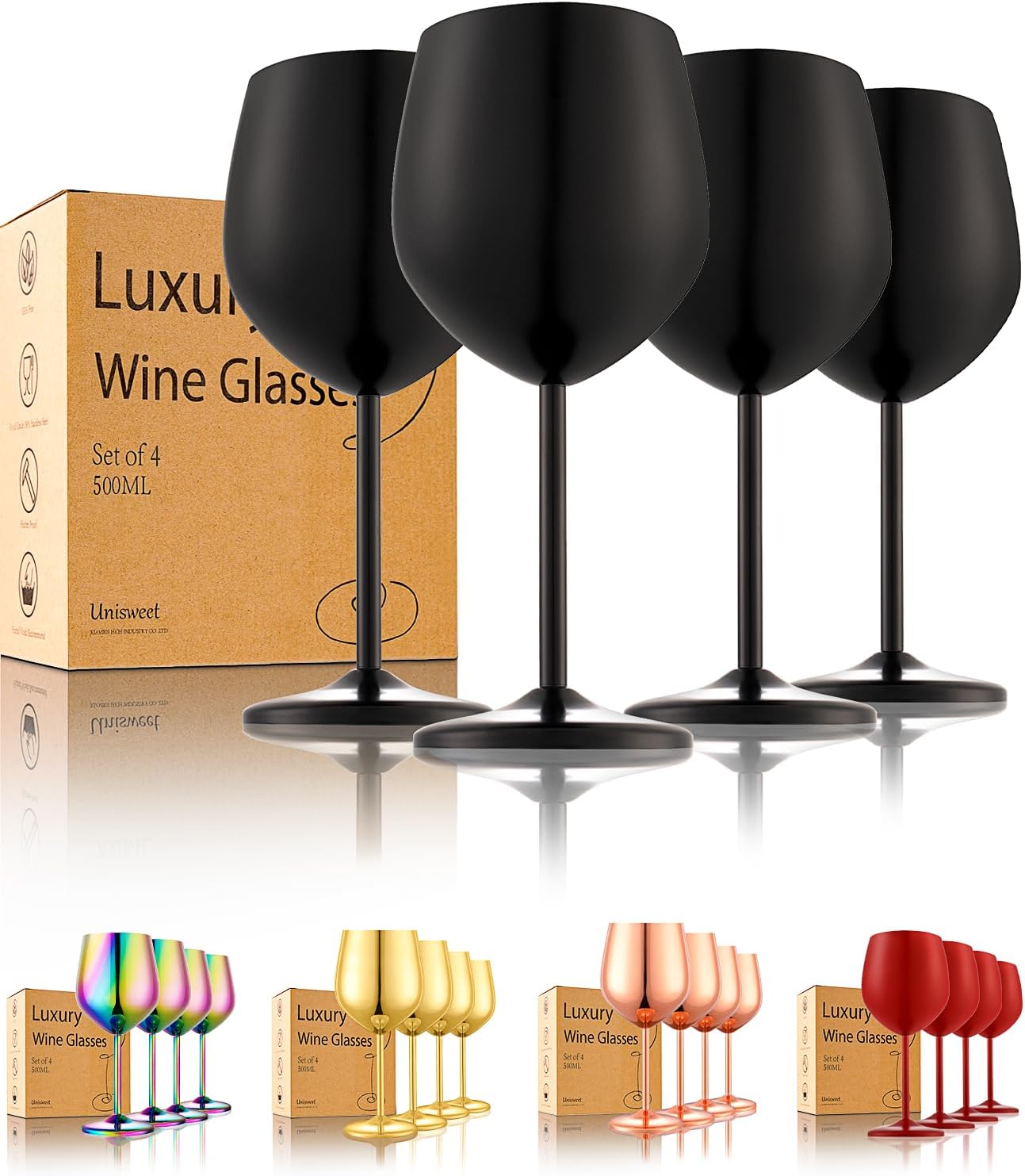
Glassware is one of the easiest ways to make a table feel intentional. If breakage is a concern, reusable unbreakable stemware can provide a more formal silhouette without requiring delicate crystal.
Choose the glasses based on the drinks actually being served. A water glass is useful for almost every meal; wine glasses make sense when wine is being served. For a casual gathering, adding several types of unused glasses can make the setting look busy rather than refined.
Also check dishwasher and care instructions before buying a new set. A piece that looks good but requires extensive hand washing may work against the article’s central goal of easier cleanup.
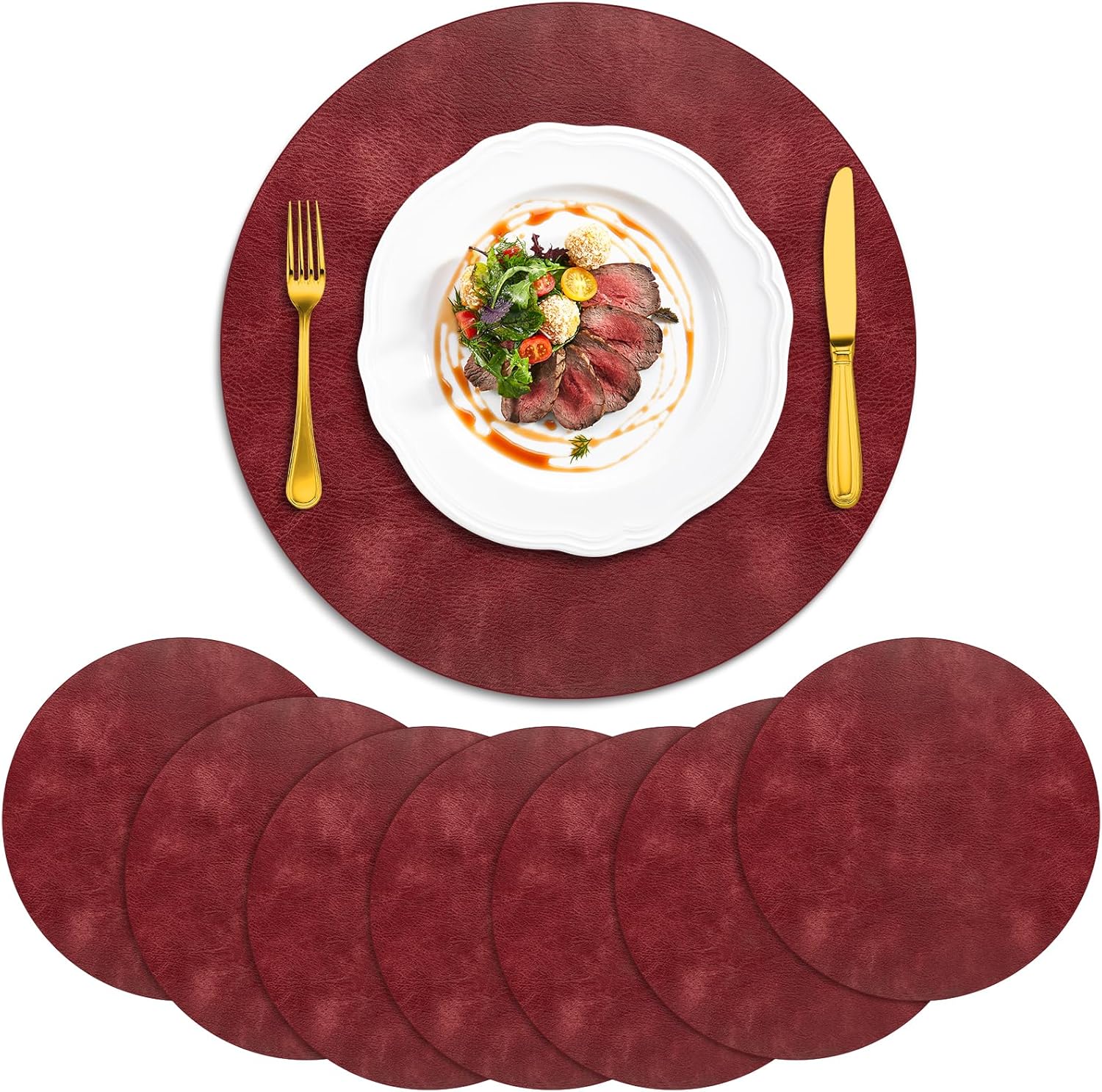
Use placemats as both decoration and protection
Placemats can establish each guest’s space while helping protect the tabletop from everyday spills and heat. Waterproof or wipe-clean versions are particularly useful when the gathering is casual or when children are present. Choose the size based on the table and plate. Before the event, place one setting on the mat and check that the plate, cutlery, and glass do not crowd the edges.
For a rectangular table, consistent spacing matters more than matching every accessory. Align the placemats with the table edge and keep the settings visually balanced from one end to the other. If you prefer a tablecloth, measure the table first and decide how much drop you want on each side. A long formal drop is not necessary for a casual meal, and a shorter drop can make serving and sitting easier.
Add napkins without overcomplicating them
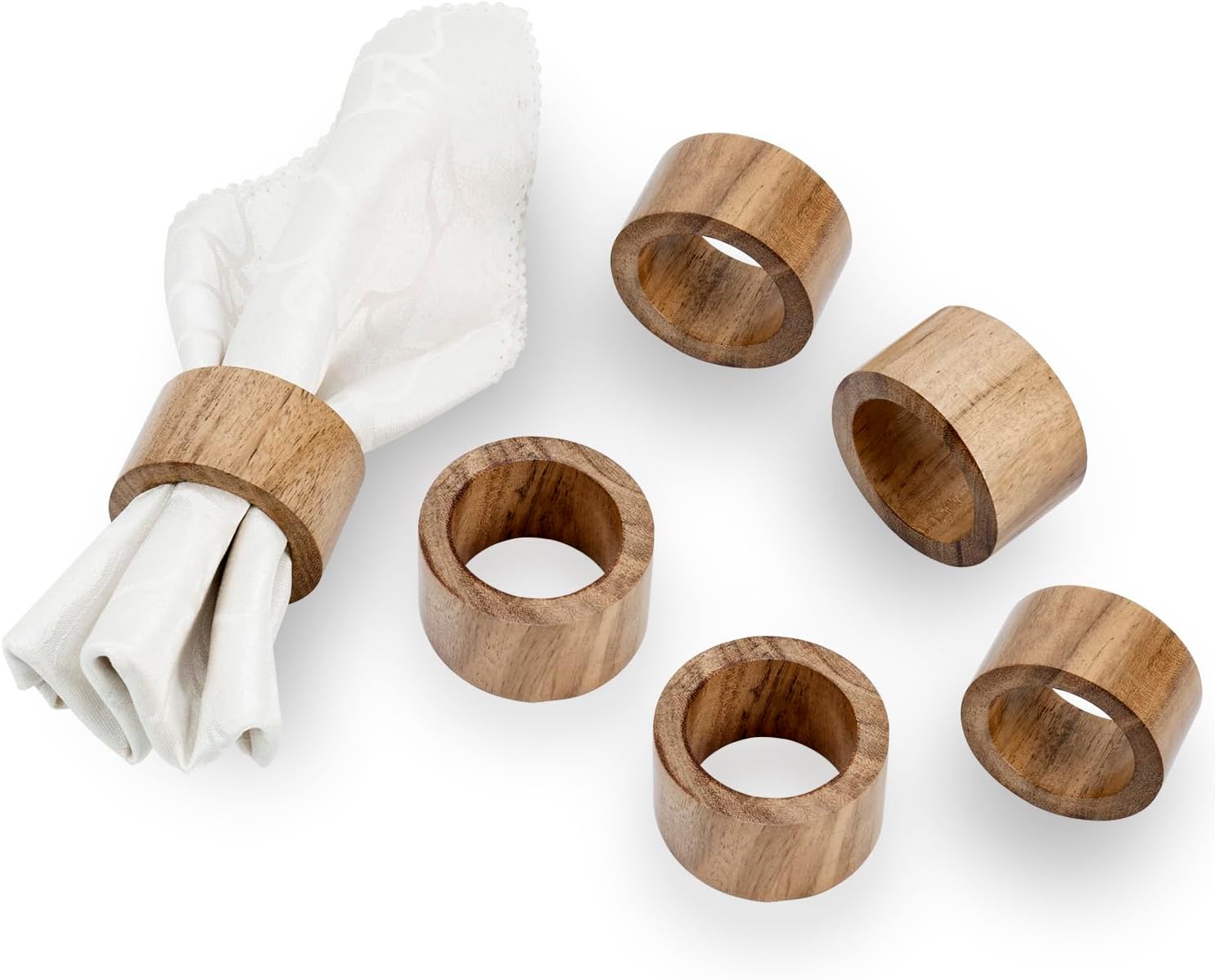
Napkins provide color and texture without taking much space. Fold them simply, place them on the plate or beside the forks, and use a napkin ring when you want one small decorative detail. A useful rule is to choose one napkin treatment and repeat it across the table. Mixing several folds, rings, colors, and patterns can make a small table look cluttered.
For easy cleanup, fabric napkins should be washable and suitable for the care routine you already use. For a one-time or especially messy gathering, paper napkins can be a practical choice rather than a design failure.
Let one serving piece become the visual anchor
Instead of building a complicated centerpiece, use one attractive serving tray or platter as a functional focal point. It can hold bread, appetizers, dessert, or another part of the meal and can be removed when guests need more table space. This is particularly effective for smaller tables because the decoration earns its footprint by doing a job.
If you use a decorative centerpiece instead, keep it low or use several small elements rather than one tall object. The goal is to preserve sightlines between guests.
Coordinate colors with what you already own
You do not need a complete matching collection. Start with the plates and table itself, then choose one main accent color and one supporting neutral. For example, white dinnerware can work with natural wood, muted green, blue, or warm metallic details. The same principle works with colored plates: choose napkins, placemats, or flowers that repeat a color already present instead of introducing several unrelated shades.
A simple three-part check helps:
| Element | Decision | Example |
|---|---|---|
| Base | Largest visual area | Table + dinnerware |
| Accent | Repeated color/material | Napkins + placemats |
| Detail | Small finishing element | Napkin rings or centerpiece |
This keeps the table coordinated without requiring every item to come from the same collection.
Think about the serving workflow
A table can look beautiful and still be awkward to use. Before guests arrive, mentally trace the meal from kitchen to table. Ask:
- Where will hot dishes be placed?
- Where will serving utensils rest?
- Can guests reach shared food without stretching across other settings?
- Where will used plates go after the meal?
- Is there a clear route between the table and kitchen?
For a buffet meal, put plates and napkins at the beginning of the serving line, followed by the main dishes and then utensils or condiments as appropriate. For a seated meal, keep the table less crowded and bring additional dishes when needed.
Make cleanup part of the design
The easiest cleanup starts before the first guest arrives. Put a small waste or recycling solution somewhere accessible, clear space near the sink or dishwasher, and decide where serving dishes will go after the meal.
Use dishwasher-safe items where practical. Stack compatible plates and bowls rather than creating several unstable piles. If using a tablecloth or fabric napkins, check their care instructions before the event so a stain does not become a surprise later.
For outdoor gatherings, consider using durable drinkware and wipe-clean placemats so food and drink spills can be dealt with quickly.
Three easy table-setting formats
Casual weeknight dinner
Use everyday plates, one glass per person, simple napkins, and one functional serving platter. Skip accessories that do not contribute to the meal.
Dinner with guests
Add coordinated placemats, reusable stemware, napkin rings, and a small centerpiece or serving tray. Keep the centerpiece low and leave enough open table for shared dishes.
Larger or outdoor gathering
Prioritize durable drinkware, wipe-clean or disposable placemats, simple napkins, and serving pieces that can be moved easily. Use one repeated color or material to make a larger table feel organized.
A worked example: six people at a 72-inch table
For six guests, start with six complete place settings and approximately 24 inches of width per person. Use matching or coordinated placemats, a dinner plate, fork, knife, water glass, and napkin at each position. Place one serving platter near the center, but leave enough room for guests to reach shared dishes. If a centerpiece is also needed, use a small arrangement that does not compete with the serving space.
For an easier cleanup, use dishwasher-safe dinnerware and reusable stemware. Keep additional serving pieces on a nearby sideboard rather than filling every available inch of the dining table. The result is a table that looks considered while retaining enough working space for an actual meal.

What to buy first
If you are building a table-setting collection from scratch, buy in this order:
1. Everyday dinnerware: Enough plates and bowls for your normal household plus the number of guests you regularly host.
2. Versatile glassware: A durable style that works for water and the drinks you actually serve.
3. Napkins and placemats: Choose easy-care materials that suit your table and cleaning routine.
4. One serving piece: A tray or platter with enough capacity to be genuinely useful.
5. Decorative details: Napkin rings, candles, seasonal accents, or flowers can come last.
This order prevents decorative purchases from taking priority over the pieces that make the meal function.
Common mistakes to avoid
Overcrowding every place setting. Put out only what the menu requires.
Using a centerpiece that blocks conversation. Check sightlines from a seated position before guests arrive.
Choosing accessories without measuring. Check placemat size, plate diameter, and available table width together.
Buying fragile pieces for a high-use table. Match durability to the way the items will actually be used.
Treating disposable items as automatically easier. They may reduce laundry, but they also create waste. Choose based on the occasion and your priorities.
Ignoring cleanup space. A beautiful table is less enjoyable when there is nowhere to put used dishes afterward.
Final table-setting checklist
- Number of guests and available table space are confirmed.
- Place settings include only utensils needed for the menu.
- Glassware matches the drinks being served.
- Placemats or tablecloth fit the table correctly.
- Napkins use one consistent treatment.
- Centerpiece leaves clear sightlines.
- Serving dishes have enough room.
- Colors and materials repeat without looking overly matched.
- Cleanup and dish storage are planned before guests arrive.
- Fragile or difficult-care pieces are avoided when the occasion calls for easy cleanup.
The best table setting is not the one with the most decoration. It is the one where guests immediately know where to sit, the meal has enough room to work, and the host is not left with an unnecessarily difficult cleanup. Start with the number of people, build only the place settings the menu requires, add one or two coordinated details, and let useful serving pieces do double duty as decoration.
Affiliate Disclosure: Some product links on this page are affiliate links. If you purchase through them, Glimerz may earn a commission at no additional cost to you. Our recommendations are selected to support the practical guidance in this article.