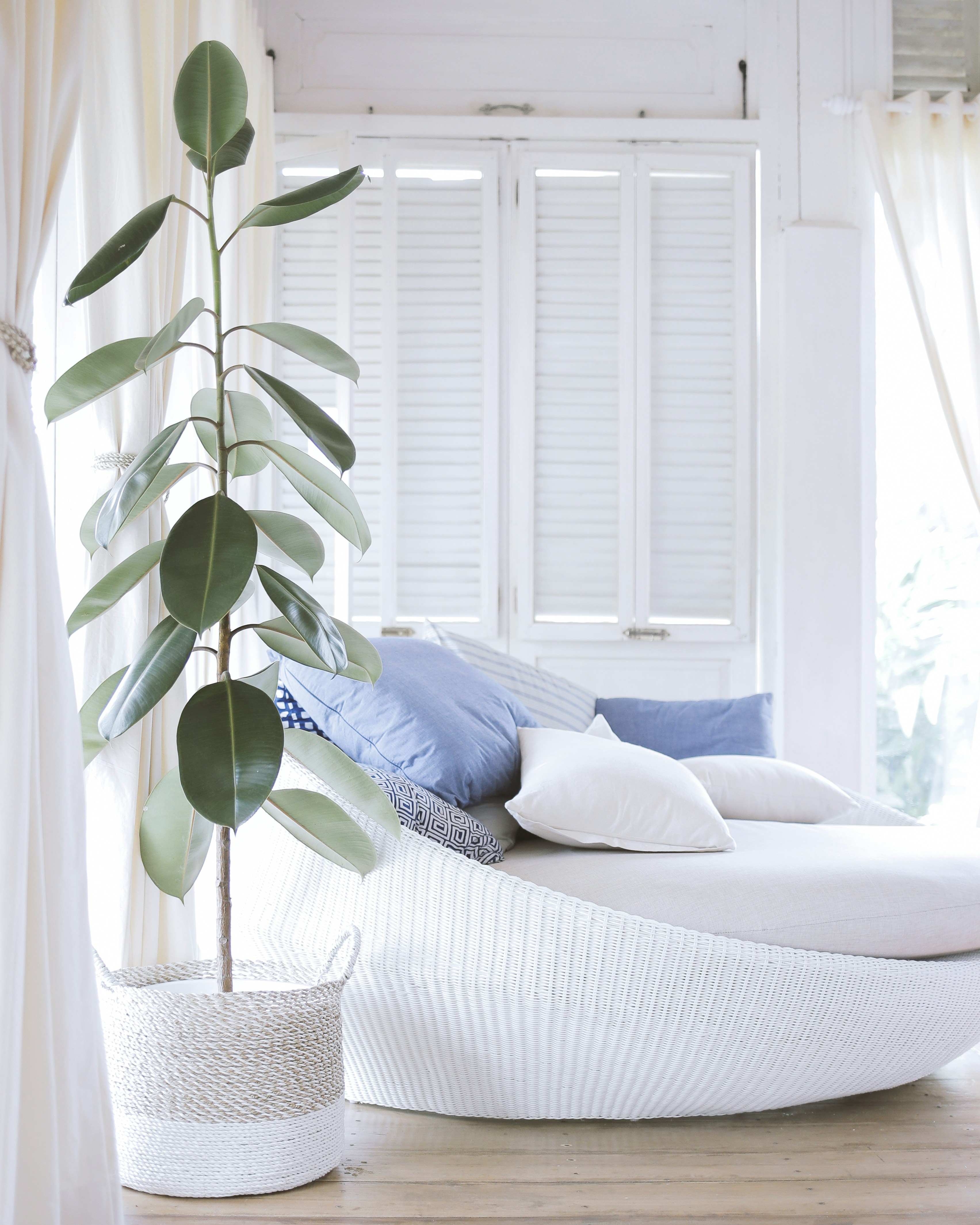
Houseplants are one of the easiest ways to bring color, shape, and a sense of life into a home, but choosing them by appearance alone is a reliable way to create problems. A plant that looks perfect on a bright nursery shelf may struggle in a dark hallway. Another may tolerate a missed watering but fail quickly when its roots stay wet.
The better approach is to choose the plant after you understand the room. Light, temperature, humidity, available space, watering habits, and pets or children all matter. Once those conditions are clear, plant selection becomes much less of a guessing game.
This guide focuses on practical placement rather than promising that one plant will thrive everywhere. Plant varieties differ, growing conditions change with the season, and care requirements can vary by cultivar, so use the recommendations as starting points and check the care information for the exact plant you buy.
The Five Things to Check Before Buying a Plant Start with these five questions:
- How much light reaches the actual planting spot? A bright window and a dark corner in the same room can be completely different environments.
- How often will you realistically remember to water? Choose a plant that matches your routine rather than hoping your routine will change.
- How much space can the mature plant occupy? Check both width and height, not just the size of the plant in the store.
- Is the room unusually humid, dry, hot, or drafty? Kitchens, bathrooms, heating vents, and air-conditioning outlets can create different microclimates.
- Are pets or children likely to chew the leaves? If yes, check the toxicity information for the specific species before bringing it home.
That last point is particularly important because “easy to grow” and “safe for pets” are separate questions. Understand Light Before You Choose the Plant Plant labels often use terms such as bright indirect light, direct sun, medium light, or low light. These descriptions are useful, but the actual conditions in your home are more important than the label on a decorative plant pot.
A south-facing window can receive strong sunlight, depending on season, latitude, glazing, and shading. East-facing windows commonly receive gentler morning sun, while north-facing windows often provide lower light in the Northern Hemisphere. West-facing windows can receive stronger afternoon light. Trees, neighboring buildings, curtains, tinted glass, and the distance from the window can change the result substantially.
A simple test is to observe the proposed plant location at several times of day. If direct sunlight falls on the leaves for hours, treat it very differently from a spot several feet away where the room is bright but the sun never reaches the plant. If you frequently move plants around because they are stretching, bleaching, dropping leaves, or failing to grow, the problem may be placement rather than your watering routine.
Quick Room-by-Room Plant Guide
| Room | Typical challenge | Plants to consider | Placement starting point |
|---|---|---|---|
| Living room | Variable light and larger spaces | Monstera, rubber plant, pothos, snake plant | Near a suitable window or in a bright-to-moderate corner |
| Bedroom | Lower light and forgotten watering | Snake plant, ZZ plant, pothos | Dresser, shelf, or corner with appropriate light |
| Kitchen | Heat, temperature changes, limited counter space | Herbs, pothos, spider plant | Bright sill or a location away from heat sources |
| Bathroom | Humidity but often poor light | Pothos, spider plant, cast-iron plant | Near a suitable window, not in permanent darkness |
| Home office | Desk space and glare | Pothos, ZZ plant, peperomia | Beside the desk or in nearby indirect light |
| Sunny window | Strong direct light | Many succulents, jade plant, herbs | At a suitable bright window after acclimation |
This is a starting matrix, not a guarantee. For example, a pothos may tolerate lower light but can still grow slowly or become less full. A succulent may tolerate a sunny window but suffer in wet soil. Always match the care requirements of the exact species to the conditions you have.
Living Room: Use One Plant as a Composition Anchor Living rooms often provide enough space for a larger plant to become part of the furniture arrangement rather than simply another accessory. Before buying a tall specimen, measure the corner where it will live and consider the mature height and width.
A rubber plant, monstera, or appropriately sized palm can work well in a bright location. A snake plant can be useful when the available light is more moderate and you want a narrower silhouette. Pothos can add a trailing shape to a shelf or bookcase.
Do not automatically place a plant beside the brightest window. Check whether direct afternoon sun, a radiator, or an air-conditioning vent makes that location unsuitable for the particular species. For a balanced arrangement, try one substantial floor plant rather than filling the same corner with several small pots. Smaller plants can then be used elsewhere on shelves or tables.
Bedroom: Choose for Your Actual Routine A bedroom is a good place for plants that tolerate the conditions you actually maintain. If you regularly forget watering, choose a variety known for tolerating drier intervals rather than a plant that requires consistently moist soil. Snake plants and ZZ plants are popular beginner choices because they can tolerate lower light than many sun-loving plants and generally do not require frequent watering. Pothos can work on a dresser or shelf where there is suitable indirect light.
Keep plants and their saucers where they cannot damage furniture. If a plant is sitting on a wooden nightstand, use a waterproof tray or saucer and check underneath periodically for moisture. There is also no need to buy a plant specifically because of claims that it will dramatically improve bedroom air quality or sleep. Plants can make a room more pleasant to look at, but they should not be treated as a substitute for ventilation or other environmental controls.
Kitchen: Grow What You Will Actually Use The kitchen is an excellent place for herbs when the available light is strong enough. Basil, parsley, mint, chives, and similar culinary herbs can turn a sunny windowsill into useful growing space.
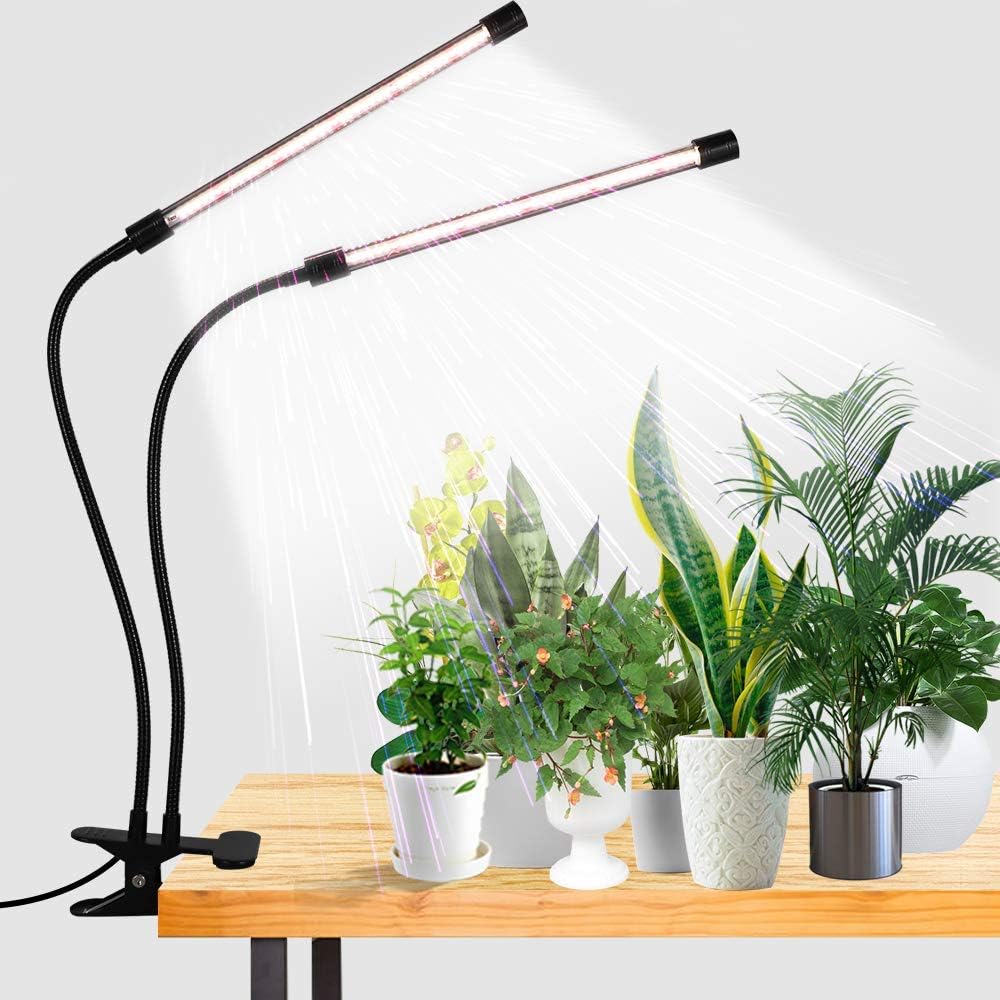
The main challenge is temperature. Avoid placing plants directly beside a hot stove, oven exhaust, radiator, or other strong heat source. A windowsill can also become much hotter than the rest of the kitchen when direct sunlight passes through glass.
For decorative plants, pothos or spider plants can add greenery without taking valuable counter space. If you use the top of a cabinet, make sure the plant receives enough light and can be safely watered without dripping onto appliances or cabinetry. A useful rule for kitchen plants is simple: if you will not cook with the herb and the decorative plant is difficult to reach, choose a lower-maintenance option instead. The best plant is one you can realistically care for.
Bathroom: Humidity Helps, but Light Still Comes First Bathrooms can have higher humidity than other rooms, especially after showers. That can suit some tropical houseplants, but humidity does not compensate for a room with almost no usable light. A bathroom with a window can be suitable for plants such as pothos, spider plants, or cast-iron plants, depending on the actual light level. A bathroom with a permanently dark, frosted, or interior location may not provide enough light for a living plant without supplemental lighting.
Keep plants away from direct splashes, standing water, and extreme temperature changes. Good air circulation also matters because constantly wet foliage and stagnant conditions can encourage problems. If the bathroom is very dim, consider using a plant elsewhere and decorating the bathroom with an attractive artificial arrangement instead. There is no benefit in repeatedly replacing a living plant that the room cannot support.
Home Office: Keep Greenery Out of the Way of the Work A desk plant should complement the workspace rather than consume the space needed for a keyboard, notebook, monitor, or other equipment. A small peperomia, pothos, or similar compact plant can work on a shelf or desk corner where it receives suitable light. Larger plants can sit on the floor beside the desk if they do not narrow the chair’s movement or interfere with cables.
Avoid putting a plant directly between your eyes and the monitor. It may look attractive in a photograph but become an everyday obstruction. Instead, place greenery at the edge of your visual field or somewhere you naturally look during breaks.
Claims that a particular plant automatically increases productivity are stronger than the evidence supports. The practical benefit is simpler: a well-placed plant can add visual interest and make a workspace feel more personal without taking over the desk. Five Beginner-Friendly Choices — With Their Limits
1. Pothos. Pothos is widely used as a beginner houseplant because it can tolerate a range of indoor conditions. It generally performs better with bright, indirect light but can survive lower-light conditions, where growth may be slower. Let the growing medium dry to an appropriate degree between waterings rather than keeping it constantly wet.
2. Snake plant. Snake plants have upright leaves and work well where a narrow profile is useful. They are generally tolerant of lower light and infrequent watering. The important mistake to avoid is treating tolerance of drought as permission to keep the roots constantly wet.
3. ZZ plant. ZZ plants are another common low-maintenance choice. They store water in thick underground structures and usually prefer the soil to dry between waterings. They can tolerate lower light, although growth may be slower than in brighter indirect light.
4. Spider plant. Spider plants can be useful on shelves or in hanging planters because of their arching foliage. They generally prefer bright, indirect light and evenly moist but not waterlogged conditions. They can produce offsets that are easy to propagate.
5. Peperomia. Many peperomia varieties stay relatively compact, making them useful for desks and shelves. Their care requirements vary by species, but they generally prefer bright, indirect light and should not be kept in constantly saturated soil.
No plant is literally impossible to kill. These choices are better described as forgiving starting points, not guarantees. Watering: Replace the Calendar With a Check Watering every Sunday simply because it is Sunday is less reliable than checking the plant and its growing medium. Temperature, light, pot size, season, and plant size all affect how quickly soil dries.
For many common houseplants, push a finger into the upper portion of the growing medium before watering. If the plant’s care instructions call for drying between waterings and the soil is still damp, wait. If it has reached the appropriate dry level, water thoroughly according to the plant’s needs.
Do not confuse dry soil with a dry potting mix that has become hydrophobic. Extremely dry mixes can sometimes pull away from the sides of a container and resist water. In that situation, slower, thorough watering may be more useful than adding a tiny amount repeatedly.
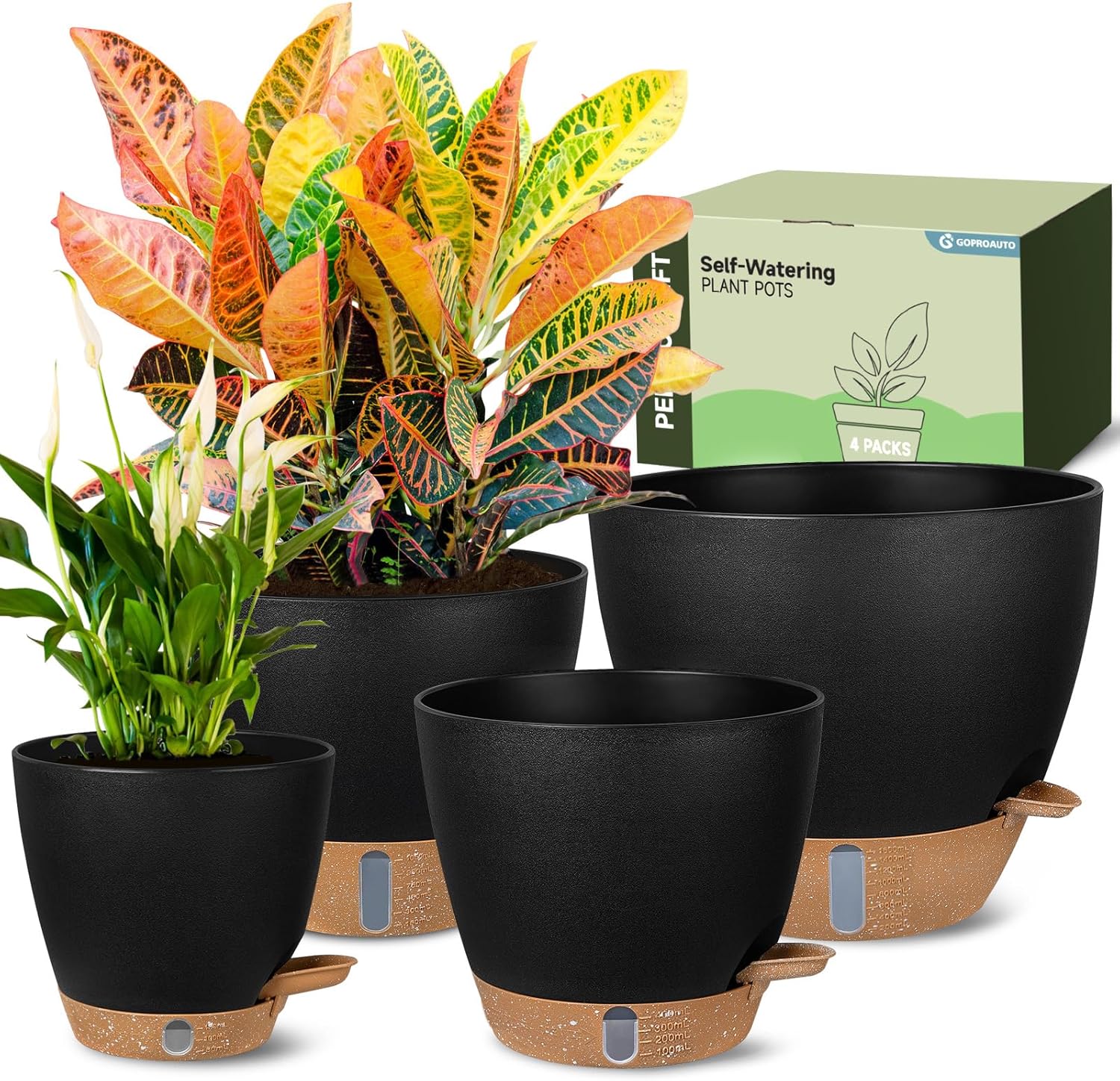
Most importantly, use pots with drainage when the plant requires it. Empty decorative cachepots after watering if water collects at the bottom. Why Plant Size and Pot Size Matter A small plant in an oversized container is not automatically better because it has “more room to grow.” A large volume of wet growing medium can take longer to dry, which may create problems for plants that prefer a drying period.
When repotting, choose a container appropriate for the plant’s root system rather than jumping to a dramatically larger pot. Check the species-specific recommendation and make sure the new container has suitable drainage. Also measure the mature width before using plants as room dividers or placing them beside furniture. A plant that begins at 12 inches wide can become a substantial obstacle when mature.
Plant Styling: Treat Pots as Part of the Decor A healthy plant is already attractive, but the container can help it integrate with the room. Use planter colors that relate to the room’s existing palette. Natural terracotta works well with many warm interiors; ceramic can provide a cleaner decorative accent; woven baskets can soften a larger floor planter when a waterproof inner pot is used.
Vary height rather than filling every surface. One floor plant, one shelf plant, and one small tabletop plant can create more useful visual rhythm than six plants packed onto a single table. Leave enough room around each plant for watering, pruning, cleaning, and checking for pests. A beautiful arrangement that cannot be maintained will not stay beautiful for long.
A Simple 400-Square-Foot Apartment Example Imagine a 400-square-foot apartment with one large living-room window, a smaller bedroom window, a kitchen with a bright sill, and a bathroom with no window.
Instead of buying plants first, assign them according to conditions. Put a suitable larger plant in the living room where there is enough light and floor space. Use a narrower snake plant or ZZ plant in the bedroom if the light is moderate or lower. Grow a small herb collection in the bright kitchen window if you actually use herbs. Do not force a living plant into the windowless bathroom; use artificial greenery there or rotate a suitable plant only if its light requirements can be met elsewhere.
This approach produces a more successful collection because each plant has a job and a location that suits it. The apartment does not need a plant in every corner to feel green. Troubleshooting: What the Plant May Be Telling You
Leaves turning yellow. There are several possible causes, including watering problems, poor drainage, natural aging of older leaves, or insufficient light. Check the soil and roots rather than assuming the answer is always “more water.”
Long, stretched growth. The plant may not be receiving enough usable light. Move it gradually toward a brighter suitable location rather than placing a shade-tolerant plant immediately into harsh direct sun.
Brown, crispy edges. Dry air, inconsistent watering, strong direct light, fertilizer buildup, or other stresses can contribute. Check the plant’s growing conditions before changing several variables at once.
Soft or rotting stems. Excess moisture and poor drainage can be warning signs. Check the root zone and container rather than continuing to water on schedule.
Pests appearing. Isolate an affected plant from others and inspect leaves, stems, and the growing medium. Identify the pest before choosing a treatment, and follow the product directions carefully.
Changing one variable at a time makes troubleshooting easier. If you move a plant, change the watering schedule, repot it, and add fertilizer simultaneously, you will have difficulty determining which change helped or hurt. Before You Buy: A Five-Minute Plant Checklist
- Measure the space available for the mature plant.
- Observe the proposed location at different times of day.
- Check the species’ light and watering requirements.
- Confirm whether the plant is suitable around pets or children if relevant.
- Choose a container with appropriate drainage.
- Check whether the room has strong heat, cooling, or drafts nearby.
- Make sure the plant can be reached easily for watering and inspection.
- Keep the plant’s care label or species name so you can reference reliable care information later.
The Takeaway The easiest way to become better at houseplants is not to memorize a huge list of species. Learn to read the conditions in your home. Start with light. Then consider watering habits, humidity, temperature, mature size, drainage, and safety. A pothos that thrives on one shelf may struggle in another room, while a snake plant that tolerates a darker corner may be a poor choice for a permanently wet bathroom.
Choose plants for the home you actually have and the routine you actually follow. Start with one or two forgiving varieties, observe how they respond, and expand your collection only when you understand what your rooms can support. Disclosure: Some product links in this article are affiliate links. If you purchase through them, Glimerz may earn a commission at no additional cost to you.

