Meal prep fails for most people not because of the cooking, but because of what happens after — food goes into whatever container is closest, gets shoved into a fridge with no real system, and by Wednesday nobody can tell what’s still good and what’s been sitting there since Sunday. The actual cooking is rarely the hard part; the storage system around it is what determines whether meal prep sticks as a habit or quietly dies out after two weeks. Here’s how to set it up properly.
Glass vs Plastic: The Real Trade-offs
Glass containers are the gold standard for meal prep, and for good reason: they don’t stain or hold onto odors the way plastic can after repeated use with things like tomato sauce or curry, they’re safe to reheat directly in the microwave or oven without the questions that come with plastic, and they simply last longer since they don’t warp or cloud over time. The trade-offs are weight and breakability — glass is heavier to carry to work or the gym, and a dropped container is a real mess rather than a minor inconvenience. Quality plastic containers, particularly ones labeled BPA-free and microwave-safe, are lighter, cheaper, and more forgiving if dropped, making them genuinely practical for lunches on the go. The honest answer for most people is a mix: glass for the containers that live mostly in the fridge and get reheated at home, lightweight plastic for the ones that travel.
Getting Sizes Right Matters More Than People Think
The biggest quiet mistake in meal prep storage is using one container size for everything. A single 2-cup container is too small for a full dinner and wastefully large for a snack portion, so most people end up either overstuffing lids until they don’t seal properly, or wasting space with mostly-empty containers stacked around the fridge. A better approach is stocking two or three sizes: a smaller size for snacks, sides, or sauces; a medium size for a standard single-meal portion; and a larger size for bulk-prepped grains, proteins, or family-style portions you’ll divide out later. Buying a matched multi-size set, rather than collecting mismatched containers over time, is what actually makes stacking and lid-finding painless.
Compartments: Genuinely Useful, Not Just a Gimmick

Divided containers, with two or three separate compartments, solve a real problem: keeping a protein, a starch, and a vegetable from turning into one soggy mixture by the time you eat it, especially with sauces or dressings that would otherwise soak into everything overnight. They’re particularly worth it for anyone doing structured weekly meal prep with the same rotation of proteins and sides, since the separation keeps textures right until reheating. For prep that’s more one-pot in nature — soups, stews, casseroles, grain bowls meant to be mixed anyway — a simple single-compartment container is all you need, and buying divided containers for food that doesn’t need dividing is just wasted cabinet space.
Labeling: The Habit That Actually Saves Food
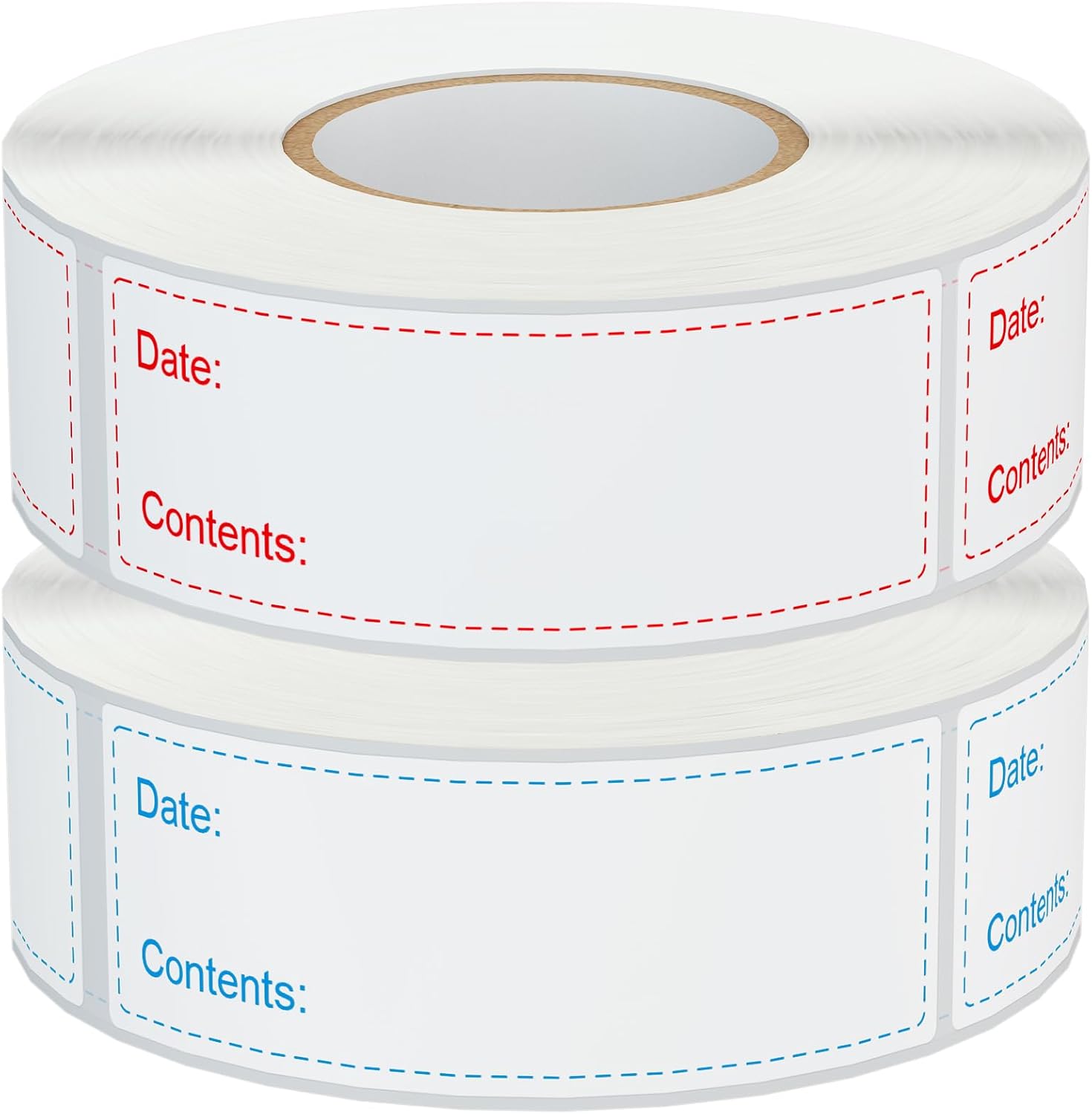
The single cheapest thing that improves any meal prep system is labeling what’s inside and when it was made. A container that’s unlabeled in a crowded fridge gets treated with suspicion — is this from Sunday or last Wednesday? — and often gets thrown out unnecessarily, or worse, eaten past when it should have been. Reusable labels, a simple dry-erase marker safe for glass or plastic, or even masking tape and a pen solve this instantly. The habit takes fifteen seconds per container and is the difference between a fridge you trust and one you’re constantly second-guessing.
Organizing the Fridge Itself
Meal prep containers need a system inside the fridge, not just on the counter before they go in. A dedicated shelf or a designated zone for prepped meals — rather than scattering them wherever there’s a gap — means you actually see and reach for them instead of forgetting they exist behind last week’s leftovers. Clear, uniform containers stacked in this zone let you see contents at a glance without opening every lid. A lazy Susan or a shallow bin dedicated to sauces, dressings, and smaller prep items keeps those from sliding into the back of the fridge where they’re forgotten. If your fridge has adjustable shelving, raising one shelf just high enough to fit your tallest prep container stacked two-high maximizes the vertical space that’s usually wasted.
Freezer Prep: A Different Set of Rules

Freezing prepped meals extends their life dramatically, but it changes what containers work well. Glass can crack from the expansion of freezing liquids if filled too full, so leave headroom in glass containers destined for the freezer. Freezer-safe plastic bags, laid flat to freeze, save enormous space compared to rigid containers and thaw faster too, though they trade away the reheat-in-container convenience. Portioning into individual freezer-safe bags or containers before freezing — rather than one large block — means you can grab exactly what you need without thawing an entire batch just to eat one portion.
What to Actually Buy First
If you’re building a meal prep storage system from scratch, prioritize in this order: a matched multi-size glass or plastic container set covers the majority of daily needs and solves the “one size for everything” problem immediately. A few divided containers, only if your rotation actually benefits from compartments. A roll of reusable or washable labels, since this single habit prevents more wasted food than any container choice. And finally, a set of freezer-safe bags or containers once you’re ready to prep further ahead than a single week at a time.
Keeping the System Actually Working Long-Term
The best storage system fails if containers pile up dirty in the sink or lids go missing into the depths of a cabinet. Store containers with their matching lids already snapped together or nested as sets, rather than lids in one pile and bases in another — this alone saves the daily frustration of hunting for a matching lid. Do a five-minute fridge check once a week, tossing anything past its reasonable window rather than letting it silently expire in the back. A system only works if it’s easy to maintain, so the goal isn’t the fanciest containers available — it’s the simplest setup you’ll actually keep using.
The Takeaway
Good meal prep storage isn’t about buying the most expensive containers — it’s about matching material and size to how you actually eat, labeling consistently, and giving prepped food its own dedicated space in the fridge rather than letting it compete for random shelf gaps. Get that system right once, and meal prep stops being a Sunday chore that quietly falls apart by Wednesday, and starts being a routine that actually sticks.