For years, the standard decorating advice was to pick one metal finish and use it everywhere — all brass, or all brushed nickel, matched down to the last cabinet knob. Walk through any well-designed home today, though, and you’ll usually find two or three metals working together: a black light fixture, brass drawer pulls, a chrome faucet. Done right, mixing metals looks collected and intentional. Done wrong, it looks like nobody was paying attention. The difference comes down to a few simple rules, not talent or luck.
Why One Metal Everywhere Actually Looks Flat
A room where every metal surface matches perfectly can feel strangely lifeless, almost like a showroom display rather than a lived-in home. Metals catch and reflect light differently — brass glows warm, chrome throws a cool, sharp reflection, matte black absorbs light and adds depth. A room using only one of these misses out on that visual texture. Mixing metals, when done with intention, adds the same kind of richness that mixing wood tones or fabric textures does — it just happens to be a detail most people don’t consciously notice, even though they feel its absence.
Pick a Dominant Metal First
The rule that makes mixing metals work rather than look chaotic is simple: choose one metal to dominate, and let the others play supporting roles. Aim for roughly 60 percent of your visible metal surfaces in your primary finish, 30 percent in a secondary finish, and 10 percent in an accent finish used sparingly. In a kitchen, for example, your primary might be brushed brass on cabinet hardware, a secondary of matte black on light fixtures and faucet, and a small accent of polished chrome on just the cabinet hinges or a single decorative piece. This mirrors the same 60-30-10 logic used for color palettes, and it works for the same reason: one clear leader keeps the space from feeling scattered.
Which Metals Actually Pair Well

Not every combination works equally well, though there’s more flexibility than people assume. Warm metals — brass, gold, copper, bronze — tend to pair beautifully with each other and also contrast nicely against a cool metal like matte black or dark bronze. Cool metals — chrome, brushed nickel, stainless steel, pewter — similarly pair well together and read as clean and modern. The pairing to be more careful with is warm-cool combinations that sit too close in tone, like brass next to brushed gold — rather than reading as an intentional mix, they can look like a mismatched attempt at the same finish. When combining warm and cool, lean into the contrast rather than blurring it: a confident matte black against a warm brass reads as designed; a muddy in-between doesn’t.
Group by Zone, Not Randomly
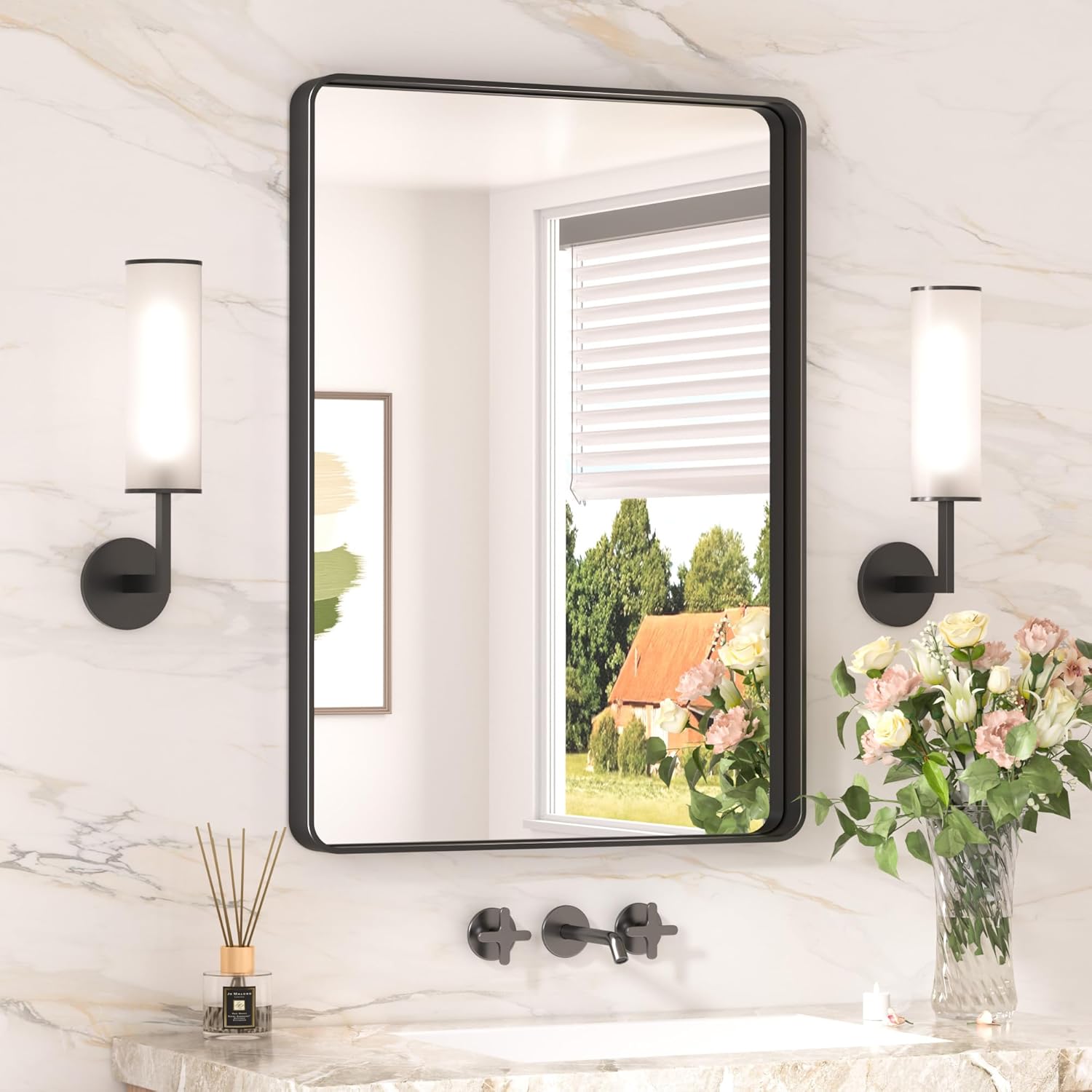
The other key to making mixed metals look deliberate is grouping by zone rather than alternating randomly item by item. In a kitchen, all the cabinet hardware should typically be one finish, the faucet and sink fixtures another, and the lighting a third — rather than scattering three different finishes across cabinets themselves. In a bathroom, group the same way: all faucet-adjacent fixtures (faucet, shower head, drain) in one finish, and hardware like towel bars and mirror frames in a second. This zone-based grouping is what separates “eclectic and intentional” from “we ran out of matching hardware and grabbed whatever was available.”
Where to Start If You’re Nervous
If mixing metals feels risky, start small and low-stakes. Cabinet hardware is one of the easiest and cheapest places to experiment, since it’s a small surface area and simple to change again later if it doesn’t work. A single statement light fixture in a different metal than your other fixtures is another safe entry point — pendant lights above an island, for instance, can differ from your faucet finish without anyone questioning it, since lighting is expected to have its own personality. Once you’re comfortable seeing two metals coexist successfully, expanding to a third accent becomes much easier to judge by eye.
Where Mixing Metals Works Best in a Home

Kitchens and bathrooms are the most natural places to experiment, since they naturally contain several metal surfaces already — faucets, cabinet hardware, lighting, appliances. Living rooms offer opportunities through lamp bases, picture frames, and furniture legs. Bedrooms tend to want fewer metal surfaces overall, so restraint matters more there — a bedside lamp and a mirror frame might be the only two metal elements in the whole room, which means whatever two finishes you choose need to genuinely complement each other since there’s nowhere for a clash to hide.
The Mistakes That Actually Break the Look
The most common mistake isn’t mixing too many metals — it’s mixing them without any dominant finish to anchor the room, so every surface competes for attention equally. The second mistake is ignoring undertone: a “gold” fixture that leans more yellow won’t sit comfortably next to a “brass” fixture that leans more brown, even though both get called gold in casual conversation — always compare finishes in person or under the same lighting before committing. The third mistake is forgetting large appliances count as metal too — a stainless steel refrigerator and dishwasher are already part of your kitchen’s metal mix, whether you planned for them or not, so factor them in as your baseline rather than an afterthought.
The Takeaway
Mixing metals isn’t about breaking rules for the sake of it — it’s about choosing rules that create intentional contrast instead of accidental mismatch. Pick one dominant finish, add a secondary in a genuinely different temperature (warm or cool), use a third sparingly as an accent, and group by zone rather than scattering randomly. Get that structure right, and mixed metals stop looking like a mistake and start looking like the confident, layered choice it actually is.