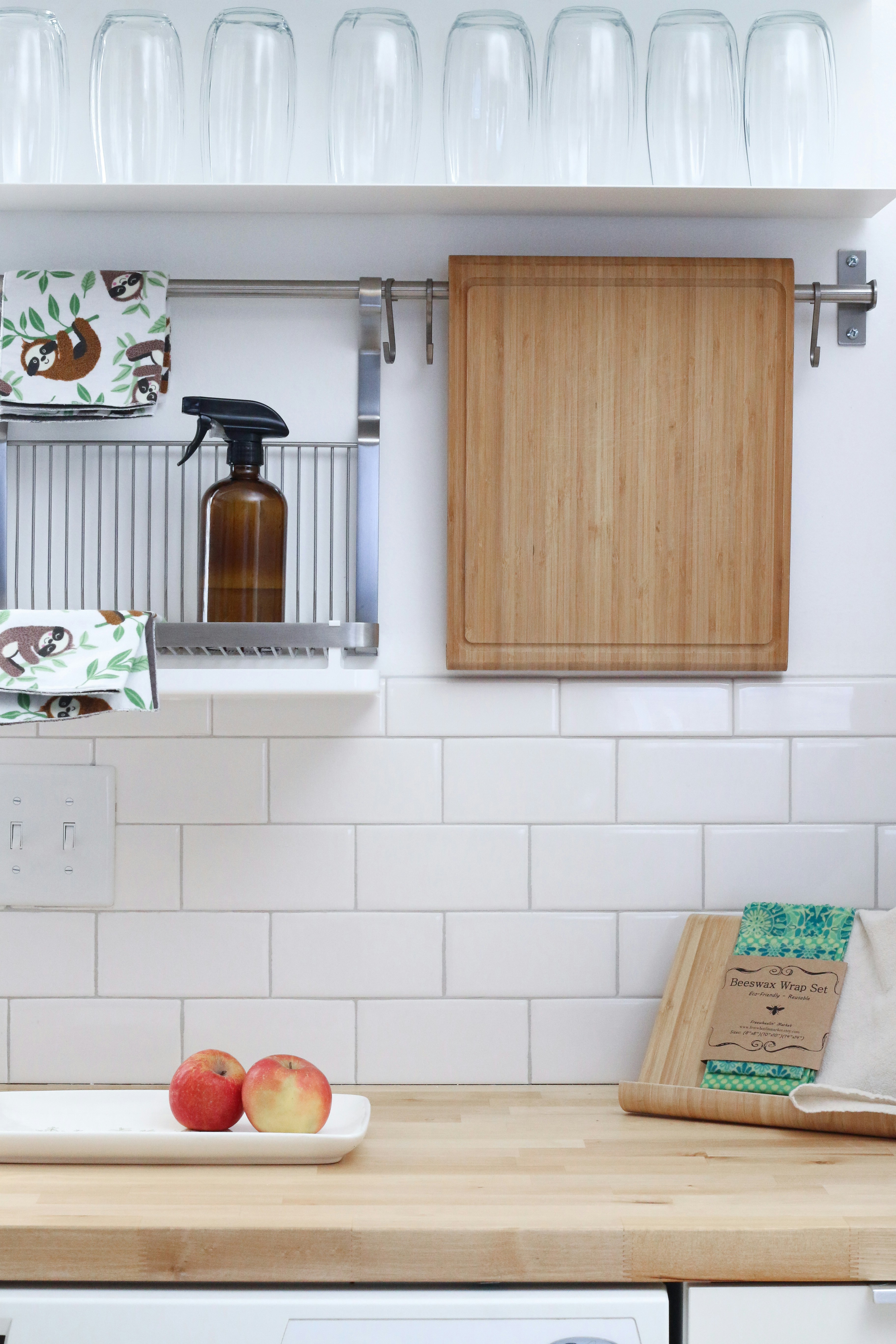
Kitchen Organization Ideas That Instantly Make Cooking Easier
Most people think a better kitchen means a bigger kitchen — more counter space, more cabinets, more square footage. But if you’ve ever cooked in a tiny galley kitchen that felt effortless, or a huge kitchen that somehow felt impossible to work in, you already know that’s not true. What actually makes a kitchen feel good to cook in is organization — knowing exactly where everything is, having your most-used tools within arm’s reach, and never having to dig through three drawers to find a spatula.
Whether you’re working with a compact apartment kitchen or just want to stop losing your good knife in a drawer full of mismatched gadgets, these ten ideas will help you build a kitchen that works with you instead of against you.
1. Group by Task, Not by Category
Most people organize kitchens by item type — all the pots together, all the utensils together, all the spices together — without considering where those items are actually used. A more functional approach is “zone” organization: keep oils, cutting boards, and knives near your prep area; keep pots, pans, and spatulas near the stove; keep mugs, tea, and coffee near the kettle. This small shift eliminates dozens of unnecessary steps every single day.
2. Get Everything Off the Counter That Isn’t Used Daily
Counter clutter is the single biggest reason a kitchen feels chaotic, even when it’s technically clean. The rule of thumb: if you don’t use it every day, it doesn’t live on the counter. Appliances used weekly or less (stand mixers, waffle irons, blenders) belong in a cabinet or on a shelf, not permanently occupying prime counter real estate.

3. Use Vertical Space Inside Cabinets
Most cabinets waste enormous amounts of vertical space because plates, bowls, and pans are simply stacked in a single pile. Adding stackable shelf risers or tiered organizers effectively doubles your usable cabinet space without any renovation. This is especially valuable in rental kitchens where you can’t install built-in storage.
4. Corral Small Items in Labeled Bins
Junk drawers happen because small items — twist ties, rubber bands, chip clips, spare batteries — don’t have an assigned home. A few small labeled bins inside a drawer turns chaos into order almost instantly, and it takes less than twenty minutes to set up.
5. Store Spices Where You Actually Cook
Spice racks near the stove look great in photos, but heat and steam actually degrade spices faster over time. A better solution is a drawer-based spice organizer near — but not directly above — your stovetop, ideally with labels facing up so you can find what you need without pulling every jar out.
6. Install an Under-Sink Organizer
The area under the sink is one of the most underused spaces in most kitchens. A simple two-tier sliding organizer or stackable bin system can turn a tangled mess of cleaning supplies into a space where everything has a visible, grabbable spot — and it also makes it far easier to spot leaks or spills early.

7. Keep a Dedicated “Grab and Go” Drawer
For the handful of tools you use in almost every single meal — a chef’s knife, your favorite spatula, measuring spoons, a can opener — dedicate one drawer exclusively to those items, placed closest to your dominant hand at the stove or prep station. This tiny change removes dozens of small frustrations from your daily cooking routine.
8. Use Clear Containers for Pantry Staples
Transferring rice, pasta, flour, oats, and cereal into clear, uniform containers does two things at once: it keeps pests and stale air out, and it makes your pantry visually calmer because everything matches. As a bonus, you’ll never again wonder if you’re actually out of flour — you can see it at a glance.
9. Mount a Magnetic Strip for Knives
Storing knives loose in a drawer is both a safety hazard and bad for the blades, which dull faster when they knock against other metal utensils. A magnetic strip mounted on a wall or inside a cabinet door keeps knives sharp, visible, and instantly accessible — and it frees up an entire drawer for other tools.
10. Create a Coffee or Tea Station
If mornings in your kitchen tend to be the most chaotic part of the day, dedicating one small counter zone entirely to coffee or tea — mugs, filters, syrups, your kettle — means you’re not hunting through cabinets half-awake. Even a small tray can visually and functionally define this zone.

