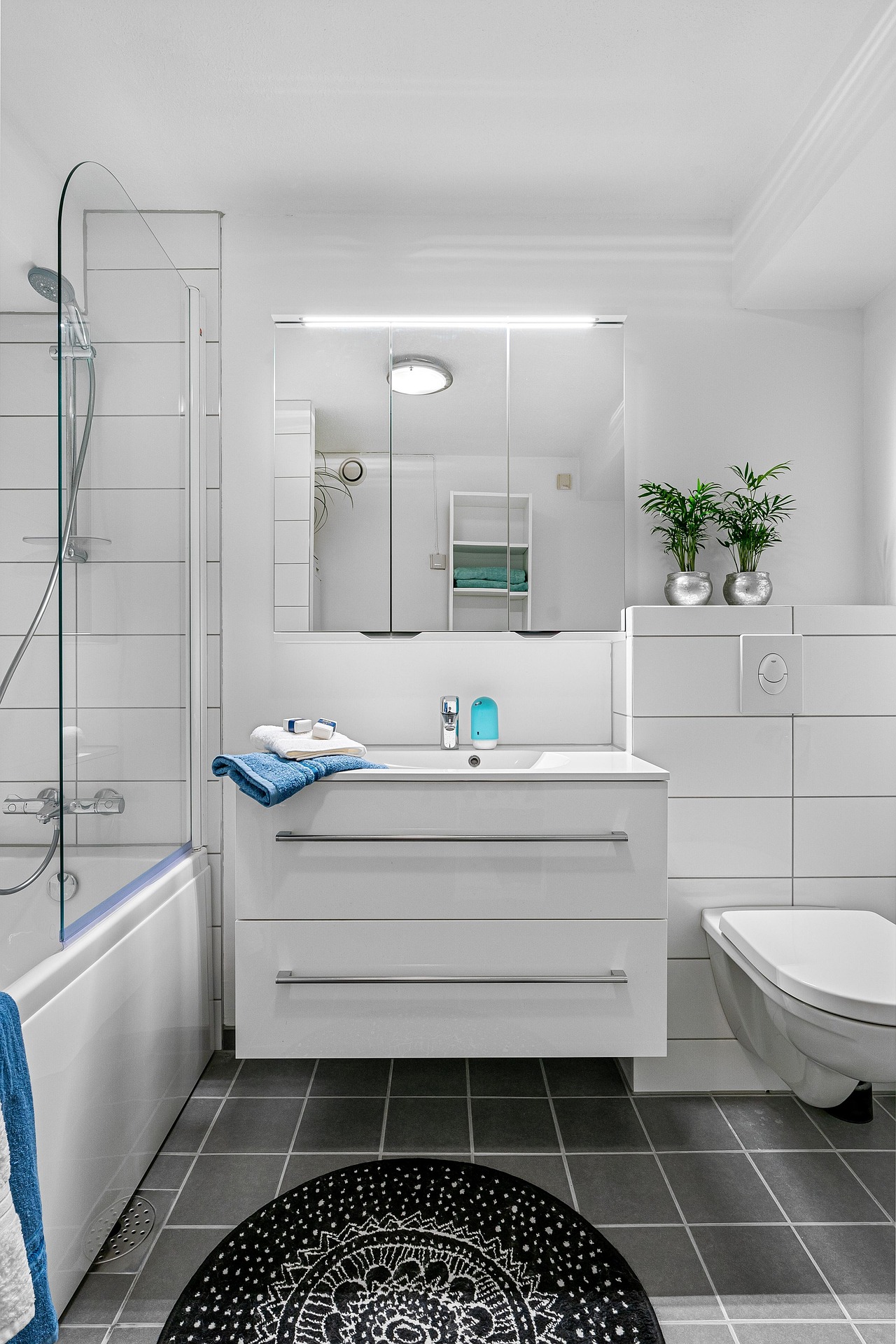
Bathroom Fittings: The Small Details That Can Transform Your Bathroom
A bathroom does not need to be enormous, expensive, or completely renovated to look stylish. Sometimes, the biggest difference comes from the details we use every day: the faucet at the sink, the showerhead above the tub, the towel bar beside the vanity, and the hardware that ties everything together.
These details are often called bathroom fittings, and choosing them carefully can completely change the character of a bathroom.
A basic bathroom with mismatched chrome fixtures can feel ordinary, even when the tiles, vanity, and flooring are perfectly good. Replace those dated or mismatched fittings with coordinated fixtures, and the same room can suddenly look more polished and intentional.
The good news is that you do not necessarily need to spend thousands of dollars on a bathroom renovation. Strategic upgrades can give the room a more refined appearance while also improving everyday functionality.
In this guide, we will look at how to choose bathroom fittings that combine style, durability, practicality, and value, along with a few product ideas worth considering when shopping online.
What Are Bathroom Fittings?
Bathroom fittings are the functional hardware and fixtures used throughout a bathroom. Depending on the room, they can include:
- Bathroom faucets and basin mixers
- Showerheads
- Handheld showers
- Towel bars
- Towel rings
- Robe hooks
- Toilet paper holders
- Sink drains
- Shower accessories
- Cabinet hardware
- Bathroom shelves and holders
Some of these items are highly functional, while others also have a strong decorative role.
For example, a towel ring may seem insignificant, but when it is placed beside a beautifully finished faucet and coordinated with the cabinet handles, it becomes part of the room’s overall visual design.
That is why bathroom fittings should not always be purchased individually without considering the bigger picture.
Start With the Bathroom Style
Before buying new fittings, decide what style you want your bathroom to have.
A modern bathroom may benefit from clean lines and simple hardware. A traditional bathroom may look better with softer shapes and classic finishes. A spa-inspired bathroom can use understated fixtures combined with natural materials and warm colors.
Here are some popular directions to consider.

Modern and Minimalist
Modern bathrooms usually work well with:
- Simple geometric shapes
- Single-handle faucets
- Straight towel bars
- Frameless or simple mirrors
- Brushed or satin finishes
- Minimal decorative hardware
The goal is to make every fitting look intentional without making the room feel crowded.
Warm and Traditional
If you prefer a more traditional appearance, consider:
- Rounded faucet shapes
- Brushed brass or warm metallic finishes
- Decorative cabinet handles
- Classic towel rings
- More detailed hardware
Warm metallic finishes can make a bathroom feel considerably more welcoming.
Spa-Inspired
For a relaxing bathroom, focus on simplicity.
A rainfall-style showerhead, coordinated hardware, soft towels, natural wood accents, and understated fixtures can create a more luxurious atmosphere without requiring a complete redesign.
The key is restraint. A spa-like bathroom generally looks better when there are fewer competing finishes and accessories.
Choose One Main Metal Finish
One of the easiest ways to make a bathroom look more expensive is to coordinate its metal finishes.
This does not necessarily mean every single piece must be identical. However, having a dominant finish creates visual consistency.
Common bathroom finishes include:
- Chrome
- Brushed nickel
- Stainless steel
- Matte black
- Brushed brass
- Polished brass
- Oil-rubbed bronze
Chrome remains a practical and timeless choice, while brushed nickel offers a softer appearance that works particularly well in contemporary bathrooms.
Matte black can create strong contrast and a modern appearance, although it should be used thoughtfully.

Warm brass and brushed gold can make a bathroom feel more sophisticated and decorative.
Recent bathroom-design coverage has also highlighted a move toward warmer metallic finishes rather than relying exclusively on stark black fixtures.
If you want to mix finishes, try to make the combination look deliberate. For example, a primary brushed-brass finish can be complemented by a small amount of black elsewhere in the room.
Randomly combining chrome, black, gold, and bronze can make the bathroom look less cohesive.
Pay Attention to the Faucet
The bathroom faucet is one of the most noticeable fittings in the room.
It sits directly in the user’s line of sight and is usually one of the first things people notice around the vanity.
When choosing one, do not look only at the appearance.
First check the sink configuration.
Some sinks are designed for:
- Single-hole faucets
- Centerset faucets
- Widespread faucets
- Wall-mounted faucets
Choosing a beautiful faucet that does not match the sink’s mounting configuration can turn a simple upgrade into an installation problem.
Also consider the height and reach of the spout. A faucet that is too short may not provide enough clearance, while an excessively tall faucet may create unnecessary splashing depending on the sink design.
Quality is equally important. The best-looking fitting is not necessarily the best purchase if its cartridge, finish, or internal components are unreliable.
Current faucet-buying guides emphasize checking installation configuration, flow specifications, cartridge design, finish, included drain hardware, warranty, and replacement-part support rather than judging a faucet by appearance alone.

