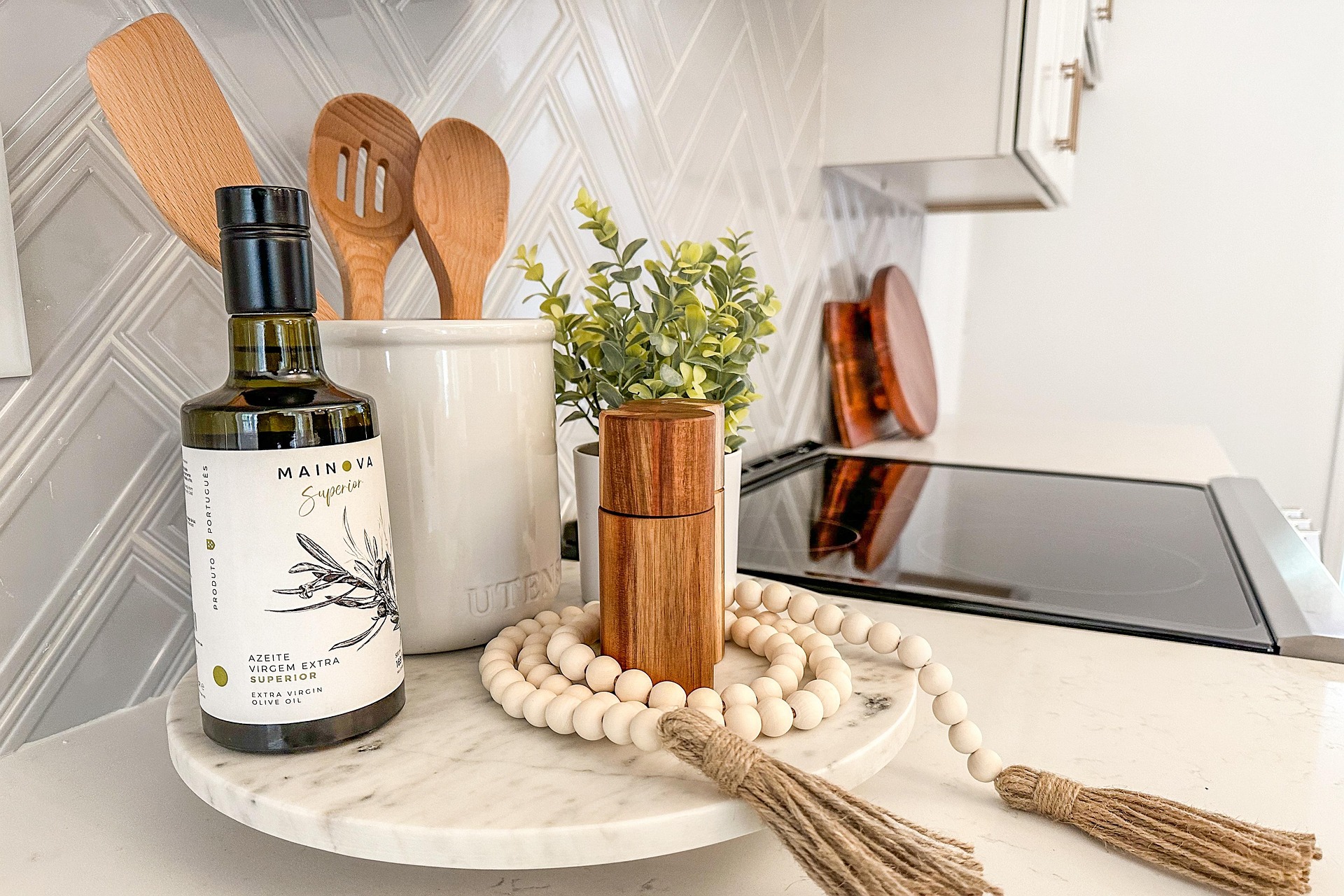
Kitchen Countertops: The Foundation of a Beautiful Kitchen
When people imagine a beautiful kitchen, they often focus first on the cabinets, appliances, backsplash, or lighting. Yet one of the largest visual elements in the entire room is usually right in front of us: the kitchen countertop.
Countertops do much more than provide a surface for preparing meals. They influence the color palette, atmosphere, practicality, and overall character of the kitchen.
A bright white countertop can make a compact kitchen feel open and airy. A darker surface can create contrast against light cabinetry. Natural-looking stone can add warmth and texture, while a clean, uniform surface can reinforce a modern minimalist style.
The challenge is choosing an option that looks good and works well for the way you actually use your kitchen.
A countertop that looks beautiful in a showroom may not be the best choice for someone who cooks several times a day. Likewise, a highly practical surface may not create the visual effect you want.
The best kitchen countertop is therefore a balance between appearance, durability, maintenance, budget, and lifestyle.
Let’s explore how to make that choice.
Why Kitchen Countertops Matter So Much
Countertops occupy a significant amount of visual space. Unlike small decorative objects that can easily be replaced, countertops usually form part of the kitchen’s permanent architecture.
They connect several major design elements:
- Cabinets
- Backsplash
- Sink
- Faucet
- Appliances
- Kitchen island
- Flooring
- Lighting
- Decorative accessories
That makes the countertop an important design bridge. If your cabinets are dark, for example, a lighter countertop can provide balance. If the cabinets are white, a darker or warmer countertop can add depth. This is why countertop selection should happen as part of the overall kitchen design rather than as an isolated purchase.
Start With Your Kitchen’s Existing Style
Before choosing a material, look at the kitchen you already have. Ask yourself:
Is the kitchen modern, traditional, farmhouse, transitional, industrial, or minimalist?
The countertop should complement that character.
Modern Kitchens
Modern kitchens often look best with clean, uninterrupted surfaces. Consider:
- White or soft-gray countertops
- Concrete-inspired finishes
- Subtle stone patterns
- Straight edges
- Minimal visual clutter
Traditional Kitchens
Traditional kitchens can accommodate more visible pattern and warmth. Consider:
- Natural stone appearances
- Warm neutrals
- Richer colors
- Decorative edge profiles
- Wood-inspired surfaces
Farmhouse Kitchens
Farmhouse kitchens often benefit from natural textures and warm colors. Cream, beige, warm gray, butcher-block-style surfaces, and natural stone appearances can all work well.
Industrial Kitchens
Industrial designs can use darker colors and stronger textures. Concrete-inspired surfaces, charcoal tones, black accents, and wood can create a dramatic combination.
Popular Kitchen Countertop Materials
There is no universal best material. Each option has advantages and disadvantages. Understanding the differences can make the decision much easier.
Quartz
Quartz countertops are popular because they combine a stone-like appearance with relatively straightforward maintenance. They are available in many colors and patterns, including designs that imitate marble and other natural stones. One of their biggest attractions is consistency. Manufactured quartz can provide a more predictable appearance than naturally occurring stone. However, quartz is not indestructible. Manufacturer care instructions should be followed, particularly regarding heat, impact, and cleaning products.
Granite
Granite remains a classic countertop material. Because it is natural stone, each slab can have its own variations in color and pattern. This makes granite appealing to homeowners who want a more natural and distinctive appearance. Granite is generally durable, but maintenance requirements can vary depending on the particular stone and finish.
Marble
Marble is famous for its elegant veining and luxurious appearance. It can transform an ordinary kitchen into something that feels much more sophisticated. The trade-off is maintenance. Marble is more susceptible to staining, scratching, and etching than some other countertop options. It therefore makes the most sense for homeowners who appreciate natural patina and are comfortable giving the surface more attention.
Butcher Block
Wood countertops provide warmth that stone and manufactured materials often cannot reproduce. Butcher block can work beautifully in farmhouse, Scandinavian, traditional, and transitional kitchens. It can also be used selectively rather than throughout the entire kitchen. For example, a wood countertop on an island can create contrast against stone or quartz around the perimeter.
The disadvantage is that wood requires appropriate care and protection from moisture.
Laminate
Modern laminate countertops have come a long way. They can imitate stone, wood, and other materials while generally offering a more budget-friendly approach. For homeowners renovating on a limited budget, laminate can be a practical way to achieve a particular visual style without paying for premium natural stone.
How to Choose the Right Countertop Color
Color is one of the most important decisions because the countertop needs to work with the cabinets and backsplash. A useful approach is to identify whether your kitchen is primarily:
- Light
- Dark
- Warm
- Cool
- Neutral
Then choose a countertop that either complements or deliberately contrasts with those characteristics.
White Countertops
White countertops can make a kitchen feel brighter and more spacious. They work particularly well with:
- White cabinets
- Light wood
- Dark cabinetry
- Stainless-steel appliances
- Neutral backsplashes
If your kitchen already contains a lot of white, however, adding another completely plain white surface can sometimes make the room feel flat. A subtle pattern or warm undertone can add more visual interest.
Gray Countertops
Gray is extremely versatile. Warm gray works well with beige, cream, and natural wood. Cool gray can complement white cabinets, blue-gray cabinetry, and modern interiors.
Beige and Cream
Warm neutrals can create a welcoming kitchen. They are especially useful when you want the room to feel comfortable rather than ultra-modern.
Dark Countertops
Black, charcoal, and deep brown countertops can provide dramatic contrast. They can look particularly impressive against white or light cabinetry. The downside is that some dark surfaces can make dust, crumbs, fingerprints, or water marks more visible.
Don’t Forget the Countertop Finish
Color is only part of the decision. The finish can change how the material looks and feels.
Polished Finish
A polished surface is reflective and can make colors and patterns appear stronger. It works well in kitchens where you want a crisp, sophisticated appearance.
Honed Finish
A honed finish is generally softer and less reflective. It can create a more relaxed, contemporary appearance.
Textured Finish
Some materials are available with textured or leathered finishes. These can add tactile interest and may work particularly well in rustic, traditional, or sophisticated contemporary kitchens. Always consider maintenance when selecting a finish. A beautiful surface is much easier to enjoy when you understand how it should be cleaned and cared for.
The Countertop and Backsplash Should Work Together
One common design mistake is choosing the countertop and backsplash independently. They are located directly beside each other, so their relationship matters. If the countertop has strong veining or a dramatic pattern, a quieter backsplash may work better. If the countertop is simple and understated, the backsplash can become the decorative feature. For example:
Bold countertop + simple backsplash
or
Simple countertop + statement backsplash
This creates visual hierarchy. Trying to make both surfaces equally dramatic can result in a kitchen that feels visually busy.
What About the Kitchen Island?
The island provides another opportunity to use the countertop creatively. You do not necessarily need exactly the same countertop throughout the kitchen. A contrasting island can become the focal point. For example:
- White perimeter countertops + dark island
- Stone perimeter countertops + wood island
- Light quartz + darker island surface
- Neutral cabinets + statement island countertop
However, the materials should still feel connected. Repeating a cabinet color, hardware finish, backsplash tone, or decorative element elsewhere in the kitchen can help the contrasting island feel intentional.
Think About Your Cooking Habits
Design is important, but lifestyle matters even more. Ask yourself:
- Do you cook every day?
- Do you bake frequently?
- Do you prepare large meals?
- Do you have children?
- Do you entertain guests?
- Do you need large preparation areas?
- Do you regularly place hot cookware on the counter?
- Are you comfortable with regular maintenance?
Someone who cooks elaborate meals every day may prioritize durability and easy cleaning. Someone who mainly uses the kitchen for coffee and occasional meals may prioritize appearance and budget differently. There is no “best” countertop for everyone. There is only the best countertop for the way your kitchen is used.
Protect Your Countertops With the Right Accessories
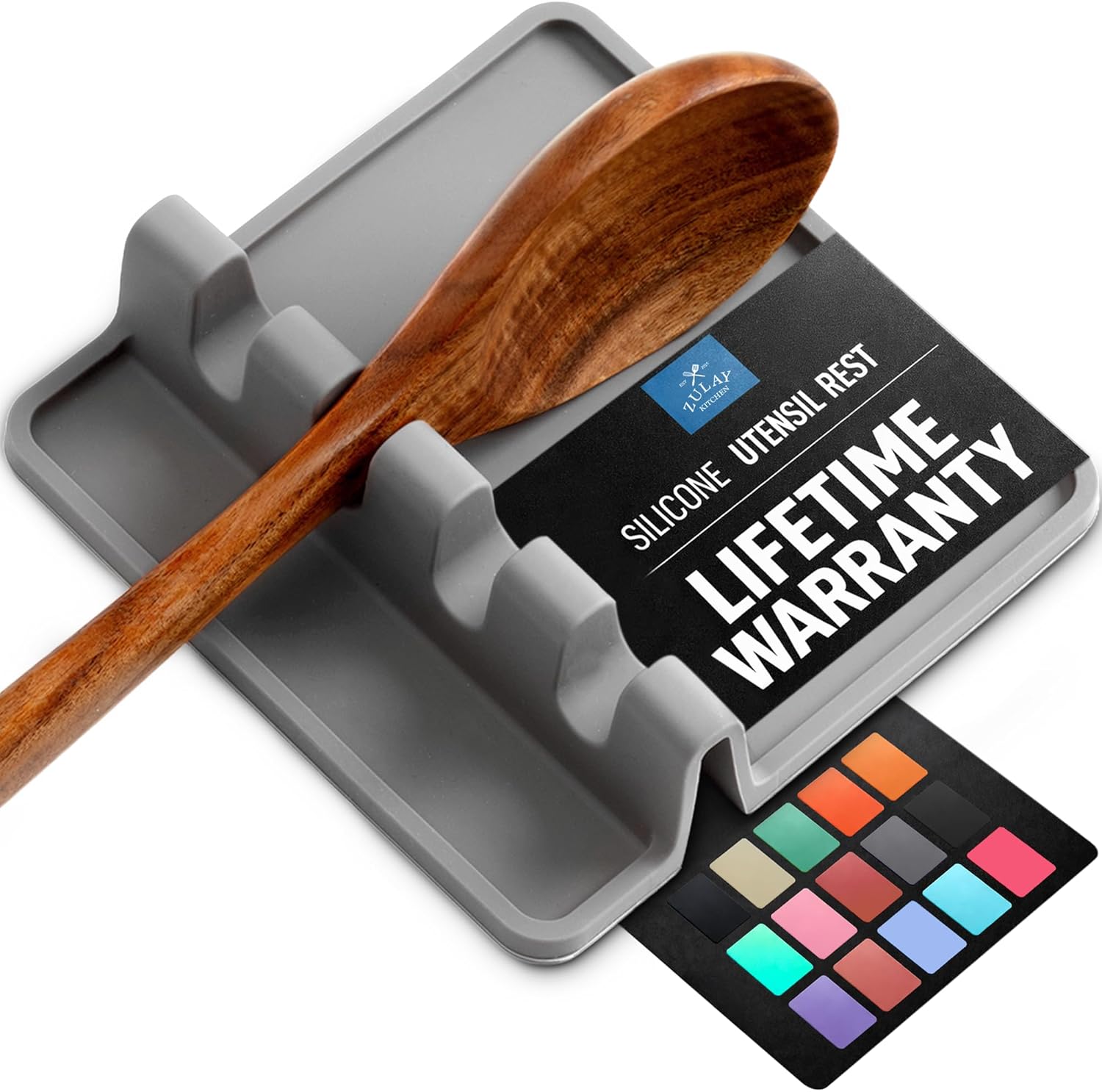
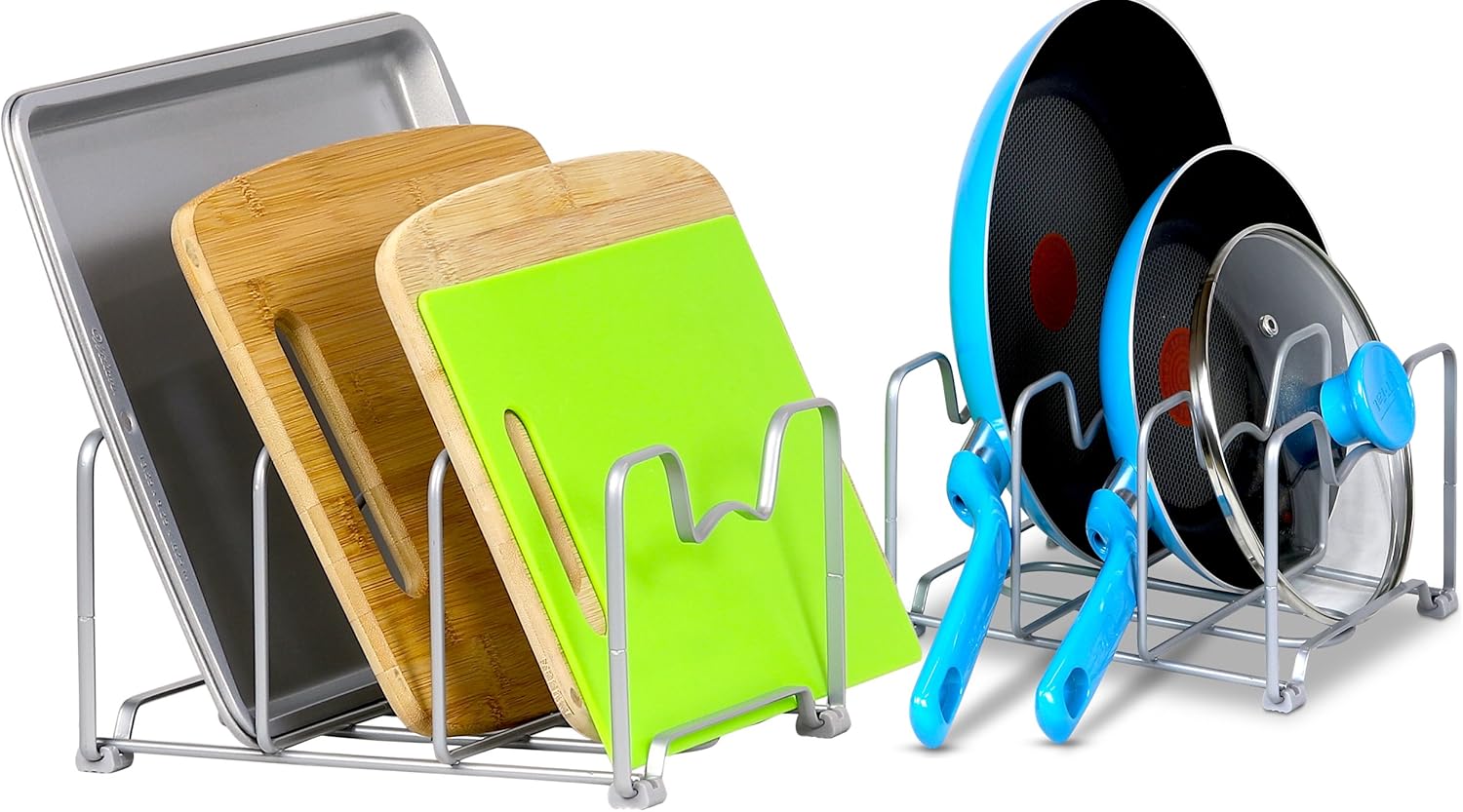
Even the most durable countertop benefits from appropriate accessories. Simple items can protect the surface while also adding visual interest. A good cutting board can protect work areas from knife marks. A trivet can create a safe place for hot cookware. A countertop organizer can prevent frequently used items from spreading across the surface. This is where small kitchen accessories can have a surprisingly large effect. Instead of covering the countertop with decorative objects, choose a few useful pieces that also complement the kitchen’s design.

