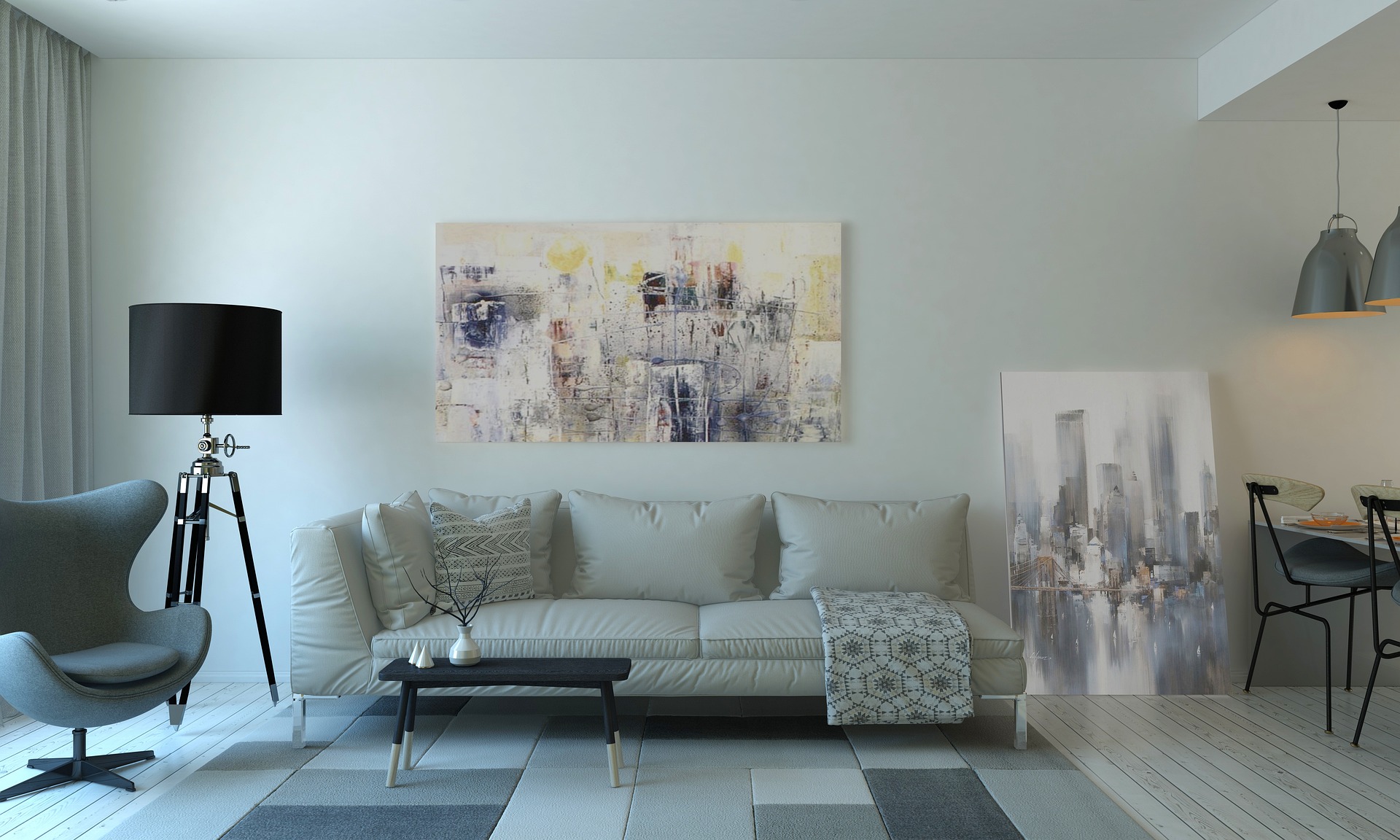
Home decor moves quickly online. A color, material, furniture shape, or styling idea can appear everywhere for a few months and then suddenly feel dated. That does not mean every popular idea is a bad choice. It means popularity and longevity are different questions.
If you want a home that still feels right after the next trend cycle, look for decorating choices that solve a practical problem, work with what you already own, and can survive a change in color or accessories. This guide focuses on those durable principles rather than predicting which exact style will be fashionable next year.
The Five-Question Longevity Test
Before buying a “trendy” decor item, ask:
- Does it solve a real problem? Does it improve lighting, storage, comfort, organization, privacy, or another everyday need?
- Does it work with my existing furniture? If the item requires several other purchases to make sense, the total cost can grow quickly.
- Will it survive a palette change? A neutral or adaptable piece can often move into another room when your taste changes.
- Is it easy to replace or update? Pillow covers, lampshades, artwork, and small accessories are easier to change than a sofa or built-in finish.
- Would I still choose it without seeing it on social media? If the answer is no, wait before buying.
The test is not about avoiding trends completely. It is about putting more money into flexible, useful pieces and less into short-lived novelty.
1. Layered Lighting Is a Design Principle, Not a Trend
A room is easier to use when lighting is planned around activities rather than relying on one fixture for everything. Think in three jobs:
- General lighting: provides overall illumination.
- Task lighting: supports reading, working, cooking, dressing, or another activity.
- Accent lighting: adds emphasis to artwork, shelving, plants, or architectural details.
You do not necessarily need three separate fixtures. A ceiling light and a well-positioned floor or table lamp may be enough for a compact room. Warm-white bulbs around 2700K–3000K can be a useful starting point for a comfortable residential atmosphere, but bulb appearance depends on the fixture, room finishes, daylight, and personal preference. Test before replacing every bulb.
Why it lasts: good lighting remains useful even when furniture and color schemes change.
2. Natural Materials Add Flexibility
Wood, cotton, linen, wool, jute, rattan, ceramic, and stone can work across many decorating styles. Their value is not that they are permanently fashionable; it is that they can often be combined with different colors and furniture shapes.
For example, a neutral woven rug can remain useful if a blue sofa is replaced by a green one. A wooden side table can move from a modern room to a more traditional setting. A ceramic vase can change character simply by moving to another shelf.
The important qualification is quality and maintenance. Natural materials vary considerably, and some require more care than synthetic alternatives.
Why it lasts: adaptable materials can remain useful while the surrounding style changes.
3. Buy Flexible Textiles Instead of Replacing Large Furniture
Textiles are one of the easiest ways to refresh a room without changing its basic layout. A practical hierarchy is:
Large investment: sofa, bed frame, dining table.
Medium investment: rug, curtains, bedding.
Easy-to-change layer: pillow covers, throws, small decorative textiles.
When your taste changes, update the smaller layer first. A different pillow cover can change the color relationship of a sofa without requiring a new sofa. Before buying, check fabric care instructions, durability, and whether the textile works with the people, pets, and cleaning routine in your household.
Why it lasts: the system can evolve without requiring a full-room replacement.
4. Small Decorative Groupings Work When They Have a Job
A vignette can be a useful way to organize several small objects, but the grouping should not become an excuse to buy more things. A console might need:
- A lamp for useful light
- A tray for keys
- One piece of artwork or a mirror above
- One decorative object
A shelf might combine books, one plant, and a ceramic object while leaving visible space between groups. The exact number of objects does not matter. What matters is whether the composition has a clear visual hierarchy and remains easy to clean.

Why it lasts: the arrangement can be edited as your needs and tastes change.
5. Choose Furniture for Use Before Appearance
A timeless-looking room can still become frustrating if the furniture is the wrong size. Before buying a sofa, table, cabinet, or chair, measure:
- Available wall width
- Furniture depth
- Door and drawer swing
- Main walking paths
- Delivery access
- Clearance around other furniture
For frequently used circulation, roughly 30–36 inches is a useful planning target where the room allows it. Compact homes may require compromises, but measuring first prevents many expensive mistakes. A furniture piece that fits your household’s actual routine is more likely to remain in use than one purchased only because it matches a current aesthetic.
Why it lasts: function is less vulnerable to fashion cycles.
6. Keep the Background Relatively Easy to Change
Permanent finishes deserve more scrutiny than accessories because they are harder and more expensive to replace. If you are choosing paint, flooring, large rugs, cabinetry, or major furniture, ask whether the choice can work with at least two future decorating directions.
This does not mean every permanent surface should be beige. A bold wall color or patterned tile can be excellent when it is intentional. The key is understanding that a dramatic permanent choice has a different replacement cost from a dramatic cushion cover.
Why it lasts: adaptable backgrounds give you more freedom to experiment with temporary layers.
7. Use Repetition Instead of Matching Everything
A home feels connected when selected shapes, colors, materials, or finishes appear more than once. For example, a warm wood tone might appear in the living-room table and bedroom nightstand. A black metal finish might repeat in a lamp, picture frame, and cabinet hardware.
This is different from buying an entire matching furniture set. Repetition creates a relationship while still allowing individual pieces to differ.
Why it lasts: repeated elements can connect rooms even when individual accessories are replaced.
8. Make Storage Part of the Design
Open surfaces are difficult to keep attractive when there is nowhere to put everyday objects. Durable decorating therefore includes storage decisions. Use closed storage for items that are frequently used but visually distracting. Use open shelving for objects you actually want to see.
In a small room, a shallow cabinet may be more valuable than another decorative table. In an entryway, hooks and a defined landing zone can prevent coats, bags, and keys from spreading into the living space.
Why it lasts: storage solves an everyday problem regardless of the current trend.
9. Personal Details Outlast Generic Styling
A room becomes easier to live with when some of its objects have a reason for being there. Display a photograph, artwork from a meaningful place, a collection you genuinely enjoy, a book you use, or an object with family significance. These details do not need to match a particular online aesthetic.
You can still edit them. A personal item that has meaning and fits the room deserves more consideration than a decorative object purchased solely to fill an empty shelf.
Why it lasts: personal relevance does not depend on the trend cycle.
10. Separate the Trend From the Principle
This is the most useful habit when browsing inspiration. Instead of copying an image literally, identify what makes the room work.
Trend: a particular color dominates every room.
Underlying principle: the home uses a controlled palette.

Trend: a specific curved furniture shape appears everywhere.
Underlying principle: the room balances hard architectural lines with softer forms.
Trend: one particular natural material becomes fashionable.
Underlying principle: contrasting materials prevent a room from feeling visually flat.
Once you identify the principle, you can choose a version that suits your own home.
Three Worked Decisions
Decision 1: A Trending Accent Color
You love a strong terracotta shade but do not know whether you will still like it in three years. Instead of painting the entire room, use it in pillow covers, artwork, a small vase, or another easily replaceable layer. Keep the larger furniture and background compatible with other colors.
Decision 2: A Trendy Furniture Shape
You like a dramatic curved chair. Measure the chair footprint and compare it with the circulation route. If it fits comfortably and you would use it regularly, the trend label matters less. If it blocks the only walkway, the correct decision is to skip it regardless of popularity.
Decision 3: A Trendy Decorative Material
You like a particular natural-texture look. Test one smaller item first. Live with it for a few weeks. If you still like the material and it works with your cleaning routine, add another piece rather than purchasing a complete collection immediately.
Where to Spend More and Where to Stay Flexible
| More carefully considered | Easy to change |
|---|---|
| Sofa | Pillow covers |
| Bed frame | Throws |
| Dining table | Small vases |
| Large rug | Artwork |
| Flooring | Lampshades |
| Cabinetry | Decorative objects |
| Major lighting fixtures | Seasonal textiles |
This is not a rule about quality. It is a rule about replacement cost and flexibility. Spend more time evaluating items that are expensive or difficult to change.
Common Mistakes With Decor Trends
Buying a complete room at once. You lose the chance to discover what actually works in your home.
Confusing popularity with quality. A viral item can still be poorly suited to your room.
Making a permanent change to follow a temporary idea. Test strong colors and styles in removable layers first when possible.
Ignoring maintenance. A beautiful material that requires more care than you can provide will quickly become frustrating.
Buying matching sets. Coordination does not require every piece to come from the same collection.
Changing functional pieces because the accessories changed. Try updating the flexible layer first.
Adding decor without removing anything. Every new object increases visual and physical maintenance.
A Trend-Proof Shopping Checklist
Before purchasing a decor item, ask:
- Does it solve a real problem or add meaningful enjoyment?
- Have I measured the space?
- Does it work with furniture I already own?
- Can it survive a change in wall color or accessories?
- Is it easy to maintain?
- Is it difficult or expensive to replace?
- Could I test the idea with a smaller purchase first?
- Am I buying it because I like it or because I keep seeing it online?
- Does it duplicate something I already own?
- If I buy it, what will I remove or reorganize to make room for it?
The Takeaway
A home does not need to avoid trends to remain timeless. The smarter approach is to separate short-lived appearances from durable decorating principles. Invest in pieces that fit your space and routine. Use lighting, storage, natural materials, repetition, and flexible textiles to create a strong foundation. Put stronger trends into smaller, easier-to-change layers until you know they belong in your home.
And remember that “lasting” does not have to mean keeping the same decor forever. A well-designed room can change. The goal is to make those changes deliberate, affordable, and useful rather than feeling forced to replace everything whenever the internet moves on to its next favorite style.
Affiliate disclosure: This article contains affiliate links. If you purchase through one of these links, Glimerz may earn a commission at no additional cost to you. Product suggestions are included because they relate to the decorating principles discussed above and do not determine our editorial recommendations.

