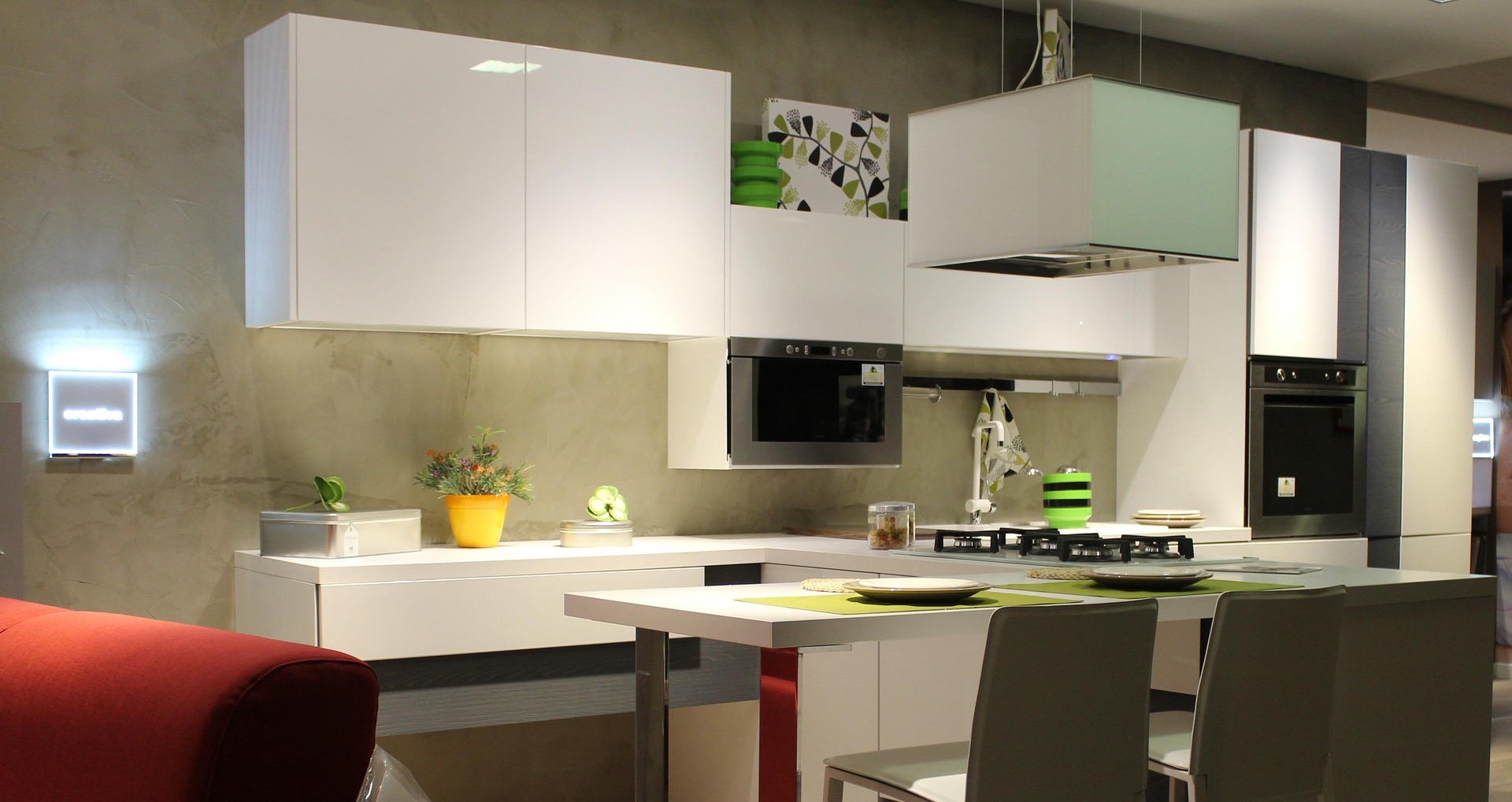
A kitchen range hood does more than complete the look of a modern kitchen. It helps capture smoke, grease, cooking odors and airborne particles before they spread throughout the house. The right ventilation system can also help manage moisture produced during cooking, keeping cabinets and surrounding surfaces cleaner. Choosing a suitable hood requires more than comparing designs or selecting the model with the highest airflow rating.
Hood width, mounting height, fan capacity, duct layout and filter design all affect performance. A powerful fan connected to an undersized duct may be noisy without delivering the expected results, while a well-designed hood with suitable airflow can perform effectively without unnecessary expense. Understanding these factors before buying helps you choose a ventilation system that suits your cooking habits, kitchen layout and installation budget.
1. Choose the Right Type of Kitchen Range Hood
Range hoods come in several designs, each intended for a different kitchen layout. Before comparing technical specifications, determine where the hood will be installed and whether an outdoor duct can be connected.
Wall-Mounted Chimney Hoods
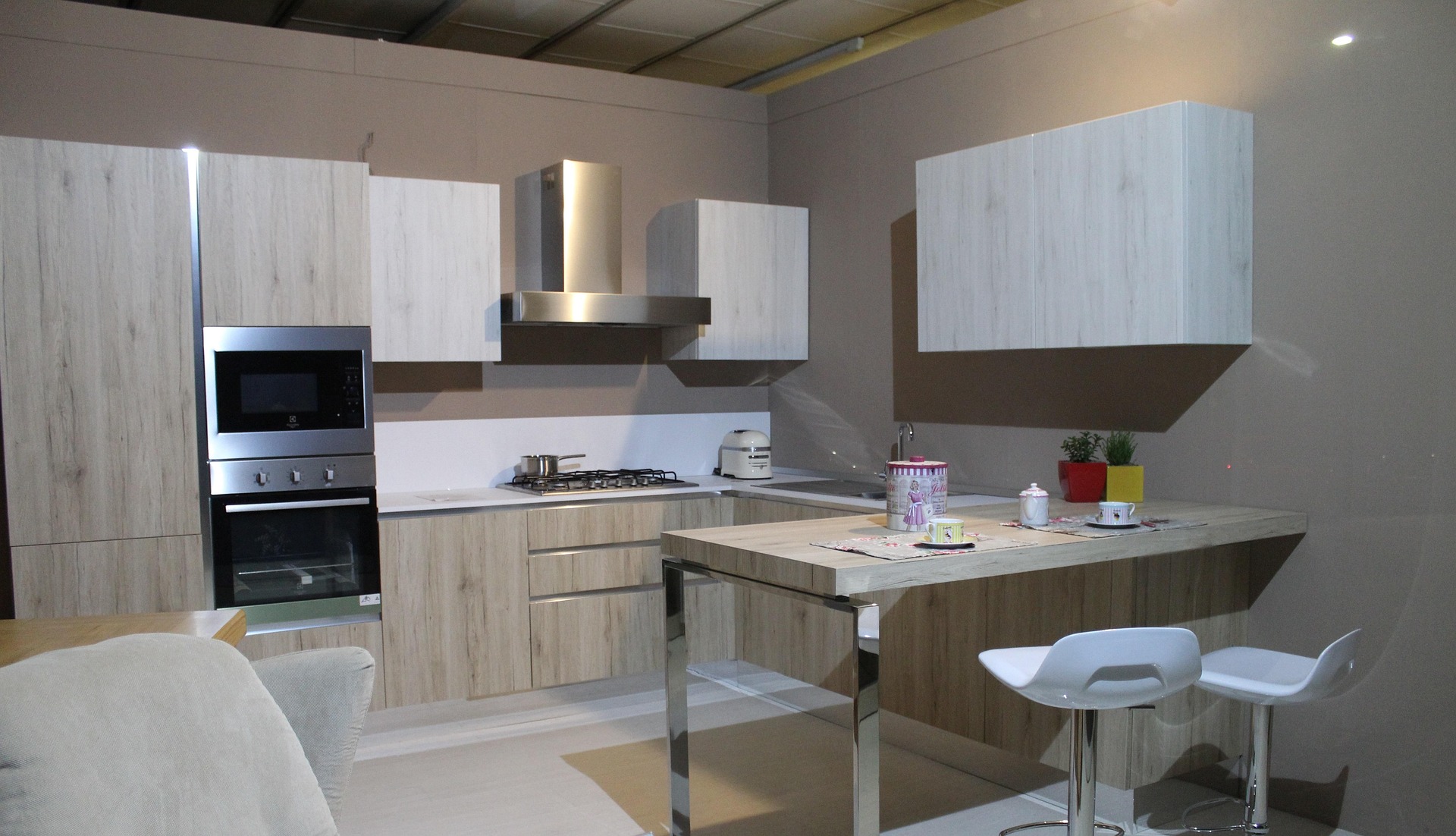
Wall-mounted chimney hoods are installed above a cooktop positioned against a wall. They usually feature a visible chimney section that conceals the duct connection and can become a design feature in contemporary kitchens.
Depending on the model, specifications may include airflow capacities of approximately 300–900 CFM, multiple fan speeds, LED lighting and stainless-steel grease filters. These are illustrative ranges rather than specifications for every wall-mounted hood. Always check the individual model’s published performance data.
A wall-mounted hood is a practical choice when the cooktop has a clear wall behind it and there is a suitable route for ductwork.
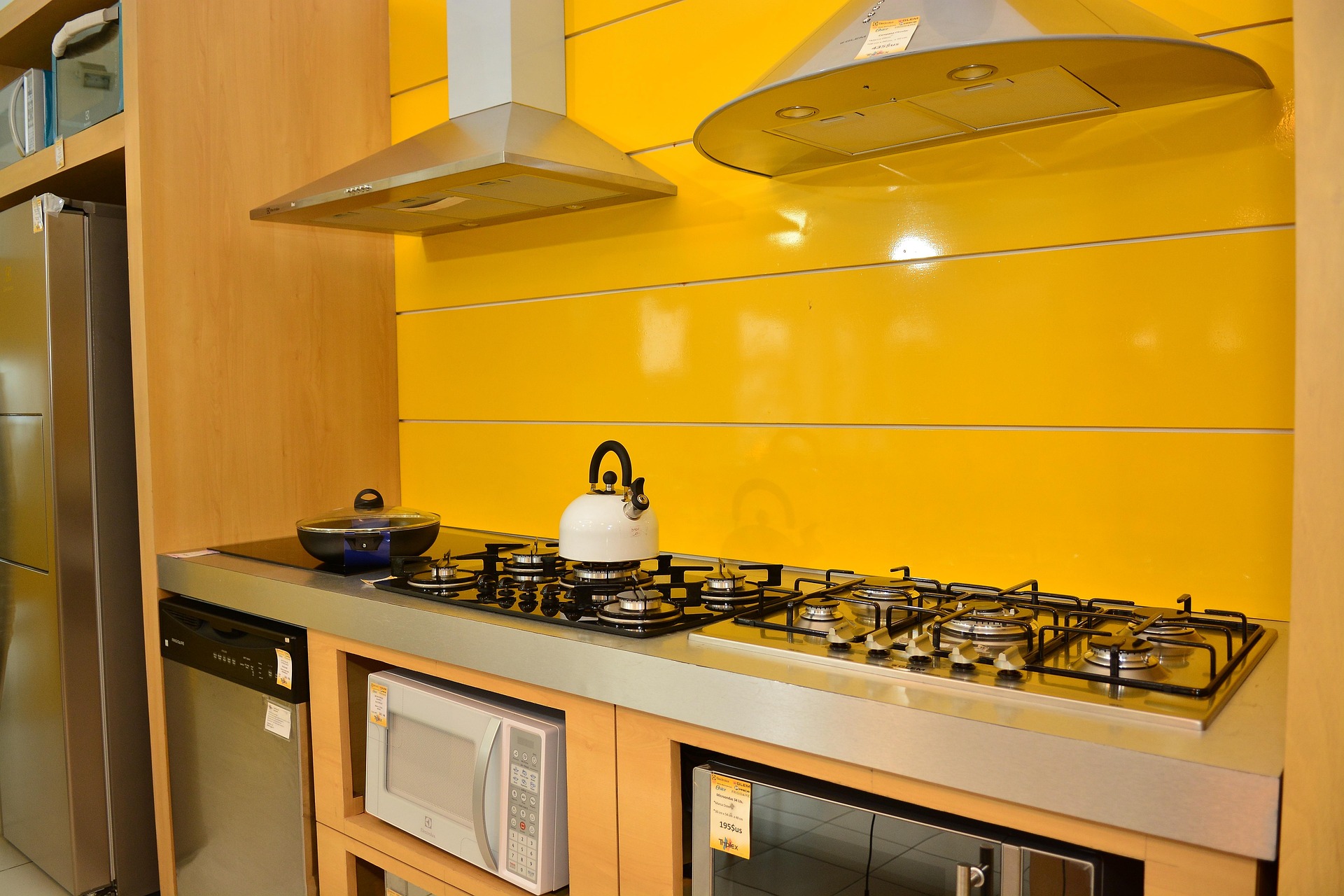
Under-Cabinet Range Hoods
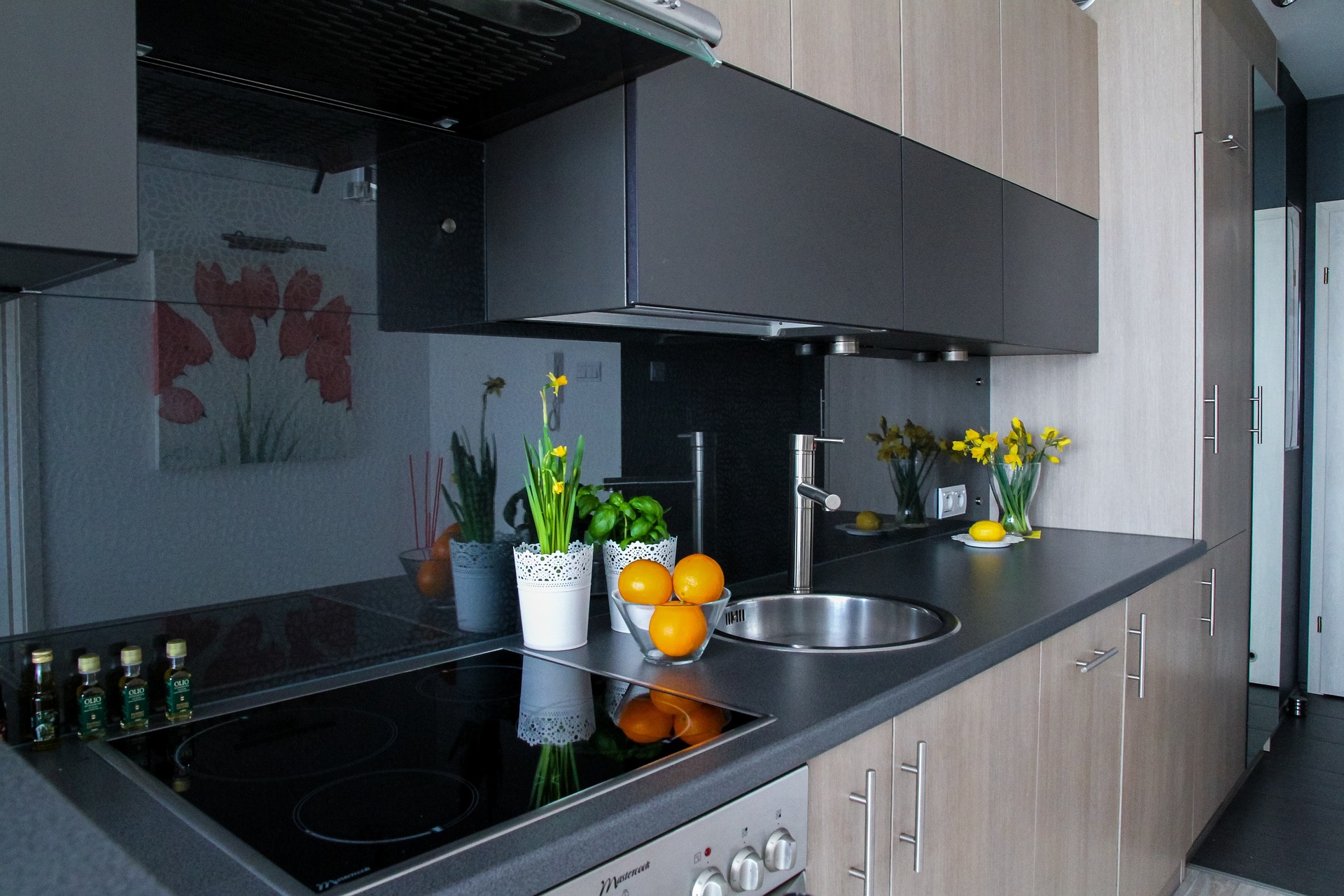
Under-cabinet hoods fit beneath a kitchen cabinet and are useful when space is limited or a discreet installation is preferred. Their compact design can work well in smaller kitchens, provided the cabinet dimensions and ventilation requirements are compatible with the selected model.
Some units use a ducted connection, while others can operate in recirculating mode with the appropriate filters. Check the hood’s width, depth, fan capacity, outlet position and required duct diameter before purchasing.
Island Range Hoods
Island hoods hang from the ceiling above a cooktop located on a kitchen island. Because the cooking area is exposed on several sides, capturing rising smoke and steam can be more challenging than with a wall-mounted installation.
Island models often require greater airflow and a carefully planned capture area. Their mounting structure, ceiling support, duct route and electrical connection should be considered before the kitchen layout is finalized.
Ductless or Recirculating Hoods
A ductless hood draws cooking air through grease filters and, where fitted, charcoal or other odor-control filters before returning the air to the room. This arrangement is useful when an exterior exhaust route is impractical or prohibited.
However, recirculating systems do not exhaust cooking air outdoors. They therefore cannot remove heat and moisture from the kitchen in the same way as a ducted hood, and they do not provide the same removal of combustion pollutants from gas cooking.
Filter replacement requirements vary by model and cooking frequency. Follow the manufacturer’s instructions rather than assuming that every charcoal filter needs replacement on the same schedule.
2. Ducted vs. Ductless: Which System Is Better?
The choice between ducted and ductless ventilation affects performance, installation costs and ongoing maintenance.
A ducted hood carries captured air through a duct and discharges it outdoors through an appropriate wall or roof termination. When correctly sized and installed, this arrangement removes cooking pollutants and moisture from the building rather than returning filtered air to the room.
A ductless hood is generally easier to install where no exterior route is available. Its performance depends on the filtration system, airflow, filter condition and the types of pollutants produced during cooking. Grease filters capture grease droplets, while suitable charcoal filters help reduce some cooking odors.
For kitchens with gas appliances, outdoor exhaust is particularly important because gas combustion can produce pollutants that ordinary recirculating filters do not adequately remove.
Practical recommendation: Choose a properly installed ducted hood when an outdoor exhaust route is feasible. If recirculation is the only practical option, select a model with suitable filtration and maintain it according to the manufacturer’s instructions. Never discharge an exhaust duct into an attic, ceiling void or enclosed crawl space.
3. How Much Airflow Does a Range Hood Need?
Airflow capacity is commonly measured in cubic feet per minute (CFM). Some manufacturers also publish cubic metres per hour (m³/h). For conversion purposes, 1 CFM is approximately 1.7 m³/h. For example, 300 CFM is approximately 510 m³/h. When comparing products, make sure the figures use the same units and refer to comparable operating conditions.
The required airflow depends on cooktop width, burner output, cooking style, hood design and installation conditions. Two useful preliminary calculations are based on cooktop width and gas burner output.
Estimate Airflow From Cooktop Width
A commonly used planning guideline for wall-mounted hoods is approximately 100 CFM per linear foot of cooktop width. For island installations, a higher preliminary allowance of around 150 CFM per linear foot is sometimes used because the hood has less surrounding structure to help contain rising cooking emissions.
Using these guidelines:
- A 30-inch wall-mounted cooktop gives an estimate of approximately 250 CFM.
- A 36-inch wall-mounted cooktop gives an estimate of approximately 300 CFM.
- A 30-inch island cooktop gives an estimate of approximately 375 CFM.
- A 36-inch island cooktop gives an estimate of approximately 450 CFM.
These are starting estimates, not guaranteed minimums or substitutes for the hood manufacturer’s sizing guidance and applicable local requirements.
Estimate Airflow for a Gas Range
Another preliminary method divides the combined maximum burner input, measured in BTU per hour, by 100. For example, a gas range with a combined burner input of 45,000 BTU/h gives an estimate of 450 CFM. This method can be useful when evaluating a powerful gas range, but it does not account for every installation variable. Manufacturer guidance and applicable ventilation requirements take priority.
Example Airflow Planning Table
| Cooking setup | Preliminary airflow estimate |
|---|---|
| 30-inch wall-mounted cooktop | Around 250 CFM |
| 36-inch wall-mounted cooktop | Around 300 CFM |
| 30-inch island cooktop | Around 375 CFM |
| 36-inch island cooktop | Around 450 CFM |
| Gas range rated at 60,000 BTU/h | Around 600 CFM using the BTU-based calculation |
These figures illustrate planning calculations, not a universal product-selection chart. A hood’s actual capture performance, installation design and cooking intensity must also be considered.
For many ordinary household kitchens, a hood in the 300–400 CFM range may be suitable, but this is not a rule for every cooktop. Frequent high-heat frying, wok cooking, grilling indoors or using a powerful gas range can justify a different specification.
Some US codes require makeup air when exhaust systems exceed a specified airflow threshold, which may be around 400 CFM under certain rules. Requirements differ by jurisdiction, building configuration and code version. Check the applicable local requirements before selecting a high-capacity hood.
4. Select the Correct Hood Width, Height and Depth
Even a strong fan may perform poorly if the hood does not adequately cover the cooking area.
Hood Width
The hood should generally be at least as wide as the cooktop. A wider capture area can improve the collection of rising smoke and steam, particularly when cooking on front burners. For example, a 30-inch cooktop may benefit from a 36-inch hood if the layout allows it and the manufacturer’s installation instructions support that arrangement.
Before buying, measure the available cabinet or wall space and check the hood’s actual width. Also consider nearby cabinets and the clearance required for doors and other fittings.
Mounting Height
The correct mounting height depends on the appliance, hood design and manufacturer’s instructions. As a broad planning reference, some installations use approximately 24–30 inches above an electric cooktop and 30–36 inches above a gas cooktop. These figures are not universal installation requirements.
Mounting a hood too high can reduce capture effectiveness, while mounting it too low may create clearance, heat exposure or headroom problems. The specified clearance for the exact hood and cooking appliance must take priority.
Hood Depth
Depth is important because the hood needs to capture cooking emissions rising from both the front and rear burners. A shallow hood may leave the front cooking area poorly covered, especially during high-heat cooking.
Compare the hood’s depth with the cooktop dimensions and pay attention to the manufacturer’s capture-area design. A model that provides good coverage can be more useful than a narrow model with a higher advertised airflow rating.
5. Duct Diameter, Length and Installation Accessories
The exhaust duct is a major part of the ventilation system. Its diameter, length, shape and number of bends affect the resistance the fan must overcome.
A hood designed for a 6-inch round duct should not automatically be connected to a smaller duct simply because it fits more easily inside a cabinet. Reducing duct diameter can increase resistance and noise and reduce delivered airflow.
Depending on the product and its airflow requirements, manufacturers may specify 6-inch, 8-inch or larger ducts. These are common examples, not universal size ranges. Follow the exact model’s installation instructions.
Rigid Metal Ducting
Rigid metal ducting is commonly recommended for range hood exhaust installations. Keep the route as short and direct as practical, use compatible fittings and avoid unnecessary bends. Each bend introduces additional resistance, and the total permitted duct length depends on the hood, duct size and fitting arrangement.
Before ordering cabinets, identify the intended route from the hood to the exterior. Retrofitting ductwork after cabinets and ceilings have been completed can increase labour and finishing costs.
Elbows, Exterior Caps and Dampers
Elbows allow ducting to change direction, but excessive bends can restrict airflow. Use fittings compatible with the selected duct size and avoid unnecessary changes in direction.

An exterior wall or roof cap provides the discharge point. A compatible backdraft damper helps limit outside air from entering through the duct when the fan is not operating. The termination must be installed in an appropriate location and in accordance with applicable requirements.
Other Installation Considerations
Before installation, confirm the location of electrical connections, cabinet supports, ceiling joists and any other services that could interfere with the duct route. Island hoods may require suitable structural support, while wall-mounted models need secure mounting points.
Gas, electrical and structural work should be carried out by qualified professionals where required. Do not improvise duct reductions or bypass manufacturer-specified clearances to make a product fit.
6. Noise Ratings, Fan Speeds and Controls
Range hood noise matters because it affects whether people are comfortable using the fan regularly. Noise may be expressed in sones or decibels, but the two units should not be compared as though they were interchangeable.
A sone rating provides a subjective measure of perceived loudness. Lower values generally indicate quieter operation, but comparisons are meaningful only when the measurement conditions and fan speeds are comparable.
When comparing models, look for published noise ratings at the airflow levels you expect to use most often. A hood may sound acceptable on a low setting but become substantially louder at maximum speed.
Also compare the number of fan speeds, control layout, lighting, ease of cleaning and availability of replacement parts. A well-designed control system makes everyday operation easier, while useful task lighting improves visibility over the cooktop.
Avoid choosing a hood on its maximum airflow number alone. A model that provides suitable airflow at a comfortable noise level may be more practical for daily use.
7. Grease Filters, Charcoal Filters and Maintenance
Filters affect both maintenance and long-term performance. Their design should match the ventilation system, and replacement parts should remain reasonably easy to obtain.
Stainless-Steel Baffle Filters
Baffle filters use shaped metal panels to capture grease droplets as air passes through them. They are common in many higher-capacity hoods and can be durable when maintained properly.
Some models permit dishwasher cleaning, while others specify hand washing or particular cleaning products. Check the manufacturer’s instructions before placing any filter in a dishwasher.
Mesh Grease Filters
Mesh filters use layers of metal mesh to capture grease. They are found in many residential range hoods and require regular cleaning to prevent grease accumulation from restricting airflow.
The appropriate cleaning interval depends on cooking frequency and the manufacturer’s guidance. A household that cooks frequently with oil may need to clean its filters more often than a household that cooks lightly.
Charcoal Filters
Charcoal filters are used in many recirculating hoods to help reduce cooking odors. They are generally replaced rather than washed, although some models use specialized filters with different maintenance requirements.
Before purchasing a ductless model, check the price and availability of the correct replacement filters. A hood that is inexpensive initially may become less economical if its required filters are difficult to source.
A Simple Maintenance Routine
Switch on the hood whenever cooking produces smoke, steam or strong odors. Clean grease filters at the interval recommended by the manufacturer, inspect the accessible duct and exterior termination when appropriate, and replace odor-control filters as directed.
After cooking, leave the fan running long enough to clear lingering airborne emissions. The US Environmental Protection Agency recommends using an outdoor-vented range hood during cooking and leaving it on for approximately 10–20 minutes afterward when practical.
8. What Does a Kitchen Range Hood Cost?
The total cost includes more than the appliance itself. The hood, ductwork, installation labour, electrical work, exterior termination and future filter replacements can all affect the final budget.
As broad illustrative US retail estimates, basic under-cabinet hoods may cost around $100–$300, wall-mounted chimney models around $300–$900, and island hoods often start at approximately $600. Premium models can cost substantially more. These are indicative ranges, not verified current prices for specific products.
Installation costs vary considerably. Replacing an existing hood with a compatible model may be relatively straightforward, whereas creating a new route through a wall or roof can involve additional labour, materials and finishing work.
The most useful way to allocate the budget is to prioritize the ventilation system itself:
- Confirm that the hood suits the cooktop and provides an appropriate capture area.
- Plan the correct duct size and a practical route to the outdoors.
- Compare delivered airflow and noise at normal operating speeds.
- Check filter maintenance, replacement-part availability and warranty coverage.
- Consider finishes, lighting and smart controls after the essential performance requirements are met.
This approach helps avoid spending heavily on appearance while overlooking the installation details that determine whether the hood performs well.
9. Common Range Hood Buying Mistakes
Several avoidable mistakes can reduce performance or increase the cost of a kitchen project.
Choosing a hood that is too narrow: A narrow capture area can allow smoke and steam to escape around the sides. Compare the hood width with the cooktop before buying.
Ignoring the duct route: A powerful fan cannot overcome every poorly designed duct installation. Check duct diameter, length, bends and the exterior termination before finalizing the layout.
Focusing only on maximum CFM: Higher airflow is not automatically better for every kitchen. The correct choice depends on cooking intensity, capture performance, noise and ventilation requirements.
Mounting the hood at the wrong height: An unsuitable mounting height can compromise capture performance or create clearance problems. Follow the installation manual for the exact model.
Neglecting filter availability: Filters are maintenance items, not optional accessories. Confirm that the correct replacements are available and that their cleaning or replacement requirements suit your routine.
Forgetting makeup air requirements: High-capacity exhaust systems may require additional provisions for replacement air under applicable building codes. Check this before purchasing or installing a powerful fan.
10. A Practical Range Hood Buying Checklist
Before placing an order, work through the following checks:
- Measure the cooktop width and the available installation space.
- Identify whether the hood will be wall-mounted, under-cabinet, island-mounted or ductless.
- Confirm the airflow requirements for your appliance and cooking habits.
- Check the manufacturer’s specified hood height and required clearances.
- Verify duct diameter, allowable duct length and compatible fittings.
- Compare noise ratings at the fan speeds you are likely to use.
- Confirm filter type, cleaning instructions and replacement availability.
- Check electrical requirements, mounting support and exterior termination details.
- Review applicable local ventilation and makeup air requirements.
- Calculate the total installed cost, including accessories and maintenance.
A little planning at this stage can prevent expensive changes after cabinets and other kitchen finishes have been installed.
Frequently Asked Questions
Is a higher-CFM range hood always better?
No. Higher airflow can be useful for heavy cooking, but the hood must also have suitable capture geometry, ducting and installation. A very powerful system may increase noise and may require makeup air under local building rules.
Can a ductless range hood remove cooking moisture?
A ductless hood returns filtered air to the room. It may reduce grease and some odors, but it does not exhaust moisture outdoors in the way a ducted hood does.
What duct diameter should I use for a range hood?
Use the duct diameter specified by the hood manufacturer. The appropriate size depends on the model and its airflow requirements. Do not reduce the duct diameter simply to make installation easier.
How often should range hood filters be cleaned?
The interval depends on the filter type, the manufacturer’s instructions and how frequently you cook. Regular inspection is important, particularly if you frequently fry foods or cook with substantial amounts of oil.
Should the range hood be switched on before cooking?
Yes. Switching it on shortly before cooking helps establish airflow, and leaving it running afterward helps clear lingering airborne emissions. Use the operating guidance provided by the manufacturer.
Is a wider range hood worth considering?
A hood wider than the cooktop can improve the capture area when the kitchen layout and manufacturer’s specifications allow it. However, width alone does not guarantee good performance; depth, mounting height, airflow and duct design also matter.
Final Thoughts
Choosing the right kitchen range hood means balancing airflow, capture area, duct design, noise, maintenance and installation cost. A well-selected system can help control cooking emissions and keep the kitchen more comfortable, but its performance depends on the complete installation rather than the appliance alone.
Start by measuring the cooktop, selecting a suitable hood type and planning the exhaust route. Then compare verified product specifications, confirm the manufacturer’s installation requirements and account for maintenance costs. Whether you choose an under-cabinet model, a wall-mounted chimney hood or an island design, a carefully planned ventilation system is a more dependable investment than choosing a hood based on appearance or maximum airflow alone.
For a coordinated kitchen design, explore our guides to layered kitchen lighting, choosing kitchen countertops and cookware materials. Each decision contributes to a kitchen that looks good and works well for everyday cooking.
Affiliate disclosure: This article includes product links that may earn Glimerz a commission if you make a qualifying purchase, at no additional cost to you. Product links are optional; choose equipment based on the manufacturer’s specifications and your installation requirements.

