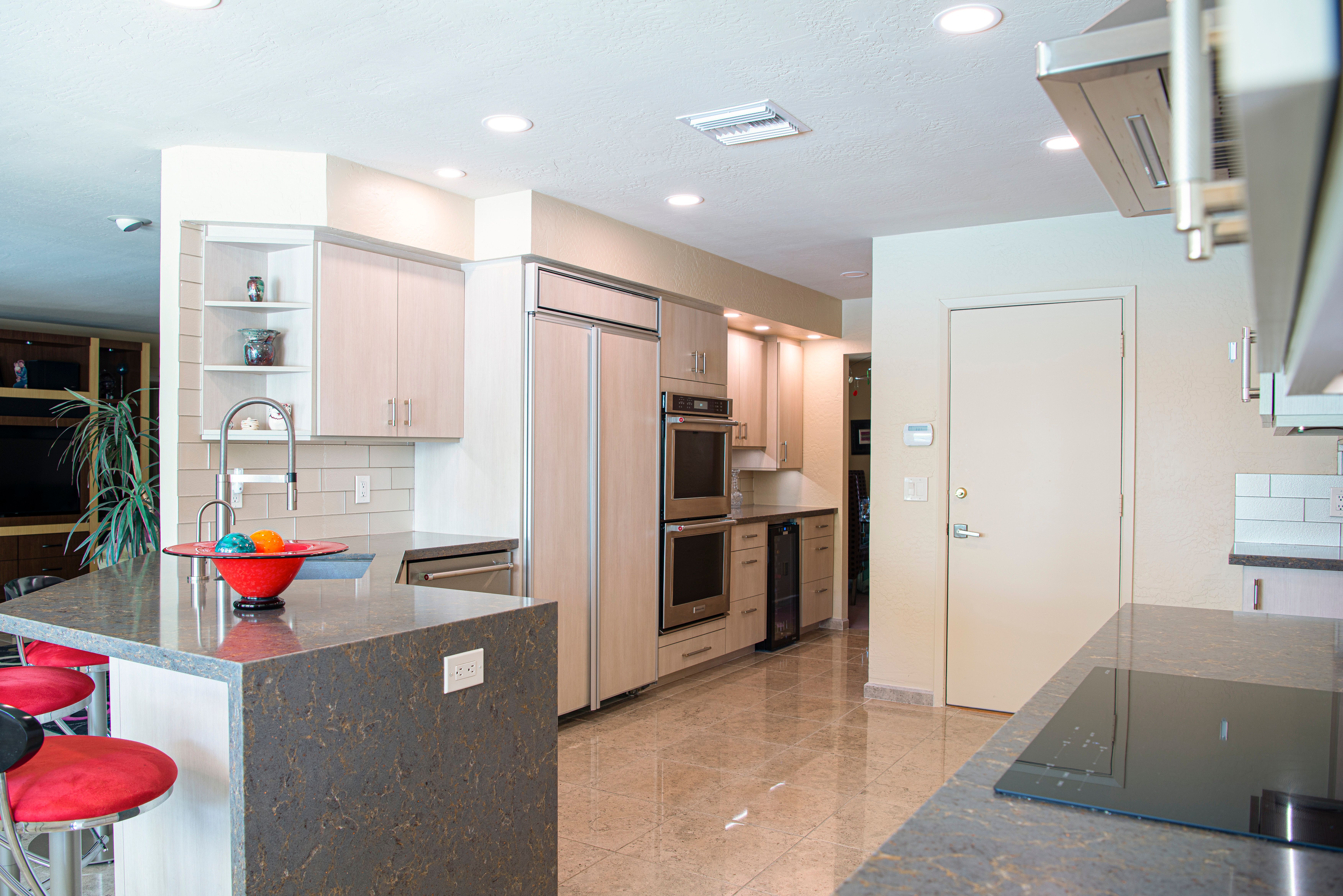
A kitchen backsplash may look like a small design detail, but it can have a surprisingly big influence on the appearance and practicality of a kitchen. It protects the wall behind sinks, cooktops and preparation areas from splashes, grease and everyday mess while creating an opportunity to introduce colour, texture and personality. The challenge is choosing a backsplash that looks attractive today but will also work with your kitchen for years to come.
Some homeowners choose tiles simply because they look beautiful in a showroom, only to discover later that the grout is difficult to clean or the colour clashes with their cabinets. Others spend too much on decorative materials when a simpler option would have achieved the same result. A good backsplash should balance appearance, durability, maintenance and budget.
Start by Considering How You Use Your Kitchen
Before selecting a material, think about where the backsplash will be installed and how that area is used. The wall behind a cooktop faces more grease and heat than the wall behind a coffee machine or a preparation counter. Similarly, the area around a kitchen sink regularly comes into contact with water, cleaning products and moisture.
This matters because different materials perform differently under everyday conditions. A beautiful textured surface may be suitable for a decorative wall but inconvenient behind a stove, where grease can settle into its uneven surface. For busy cooking areas, choose a smooth, non-porous material that can be wiped clean without special treatment.
It is also worth considering who uses the kitchen. A household that cooks several meals every day may benefit from a durable, low-maintenance surface, while a kitchen used occasionally may allow more freedom to experiment with decorative finishes.
Popular Kitchen Backsplash Materials
There is no single material that works best in every kitchen. The right choice depends on your budget, cooking habits, existing finishes and willingness to maintain the surface.
Ceramic and Porcelain Tiles
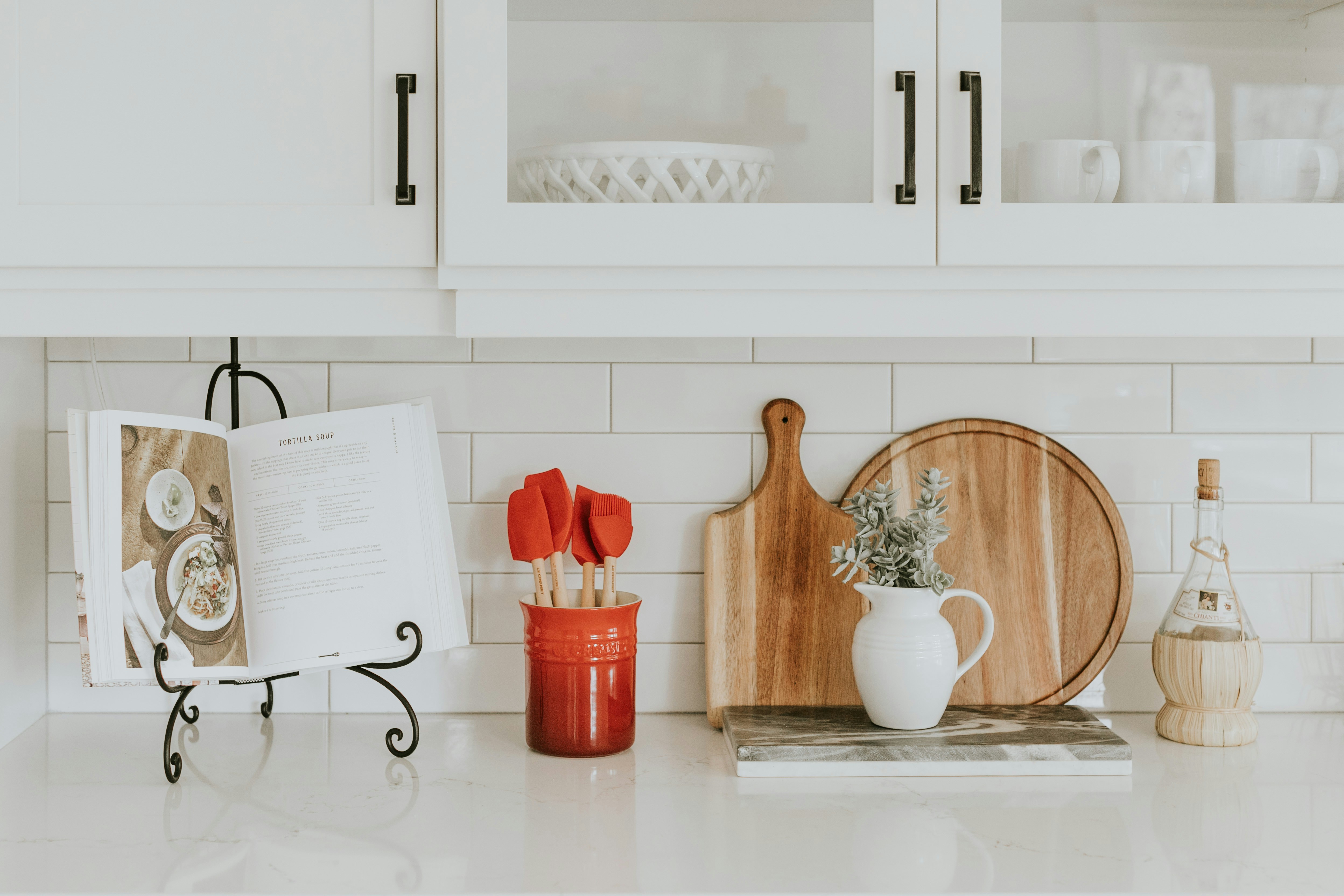
Ceramic tiles remain one of the most practical choices for kitchen backsplashes. They are available in countless colours, shapes, patterns and finishes, making it easy to find an option for almost any interior style. They are generally affordable, relatively easy to clean and suitable for areas exposed to regular splashes.
Porcelain tiles are denser and generally less porous than ordinary ceramic tiles. They are available in designs that imitate natural stone, concrete and other finishes, giving homeowners more options without necessarily paying for natural materials. Both ceramic and porcelain can be excellent choices, although the quality of installation and grout selection also matter.
Natural Stone
Marble, granite, travertine and other natural stones can give a kitchen a distinctive appearance. Their natural patterns and variations make each installation slightly different, which is part of their appeal. A stone backsplash can look particularly attractive in kitchens with natural wood cabinets, neutral colours or traditional finishes.
However, natural stone requires more attention than many manufactured alternatives. Some stones are porous and may absorb stains if they are not properly sealed and maintained. Before purchasing, ask the supplier whether the specific stone needs sealing, which cleaning products are suitable and how often maintenance should be repeated.
Glass Backsplashes
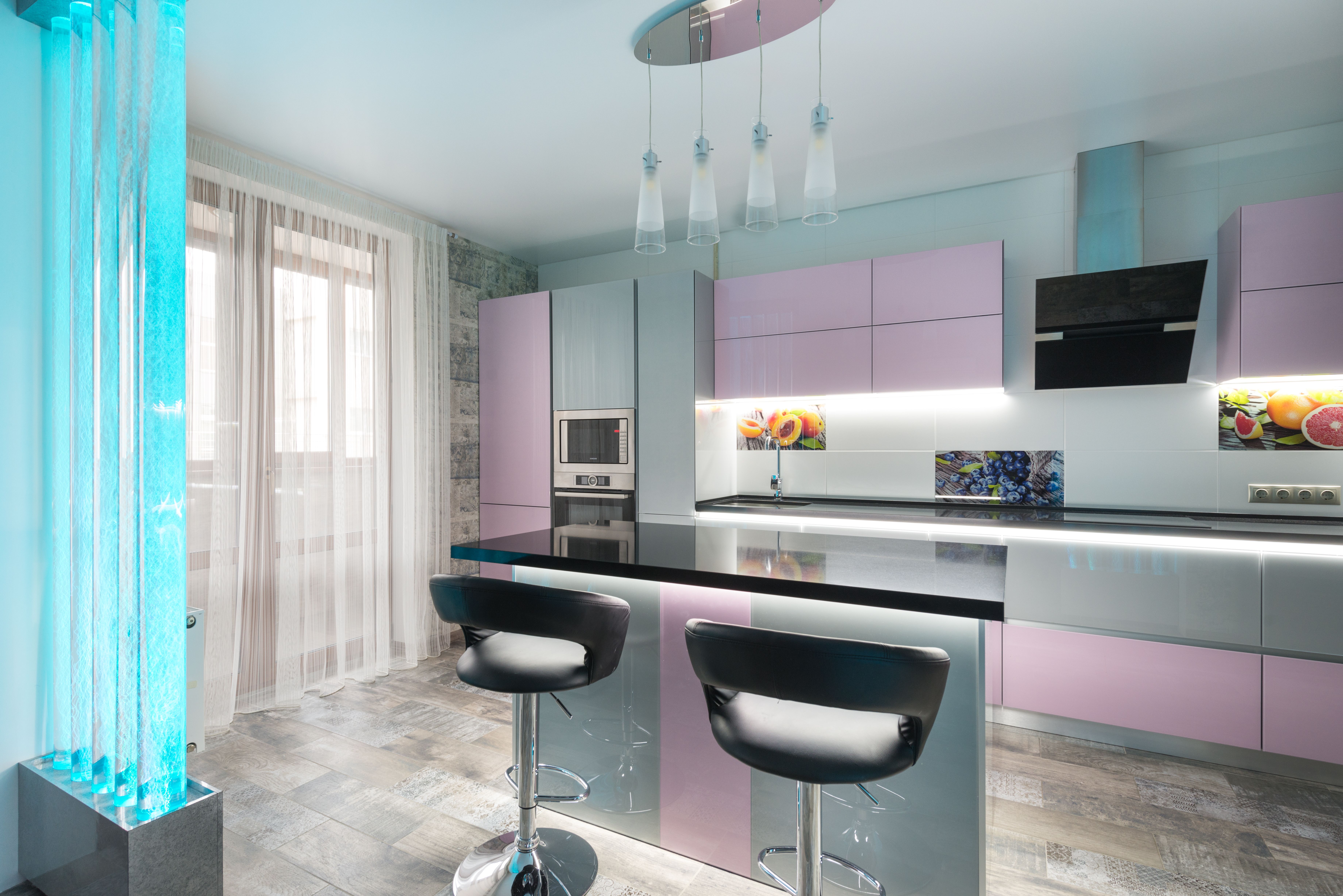
Glass is a good option for homeowners who prefer a clean, contemporary appearance. Its smooth surface is easy to wipe, and reflective finishes can help a kitchen feel brighter. Coloured glass panels also provide a simple way to introduce a strong accent colour without using patterned tiles.
The main consideration is installation. Glass panels need accurate measurements and suitable fixing methods, particularly around electrical sockets and corners. Scratches, visible fingerprints and water marks can also be more noticeable on some finishes, so request a sample before making a final decision.
Stainless Steel
Stainless steel is commonly associated with professional kitchens, but it can also work in modern homes. It is particularly useful behind cooking areas because it provides a smooth surface that can be cleaned easily. Its understated metallic appearance pairs well with contemporary appliances and simple cabinetry.
The disadvantage is that fingerprints, water marks and scratches may be visible, depending on the finish. Stainless steel can also make a kitchen feel more commercial if it is used extensively. Combining it with warm wood, softer colours or natural textures can create a more balanced result.
Solid-Surface and Large-Format Panels
Large-format porcelain slabs and suitable solid-surface panels create a more continuous appearance because they have fewer joints than conventional tiles. This can make cleaning easier and produce a calm, uncluttered look. Some products imitate marble or other natural materials while offering different maintenance requirements.
These materials can cost more than standard tiles, particularly when specialist cutting, transportation and installation are required. Check that the selected product is suitable for the intended location and follow the manufacturer’s instructions regarding heat exposure, cleaning and installation.
Choosing a Colour That Works With Your Kitchen
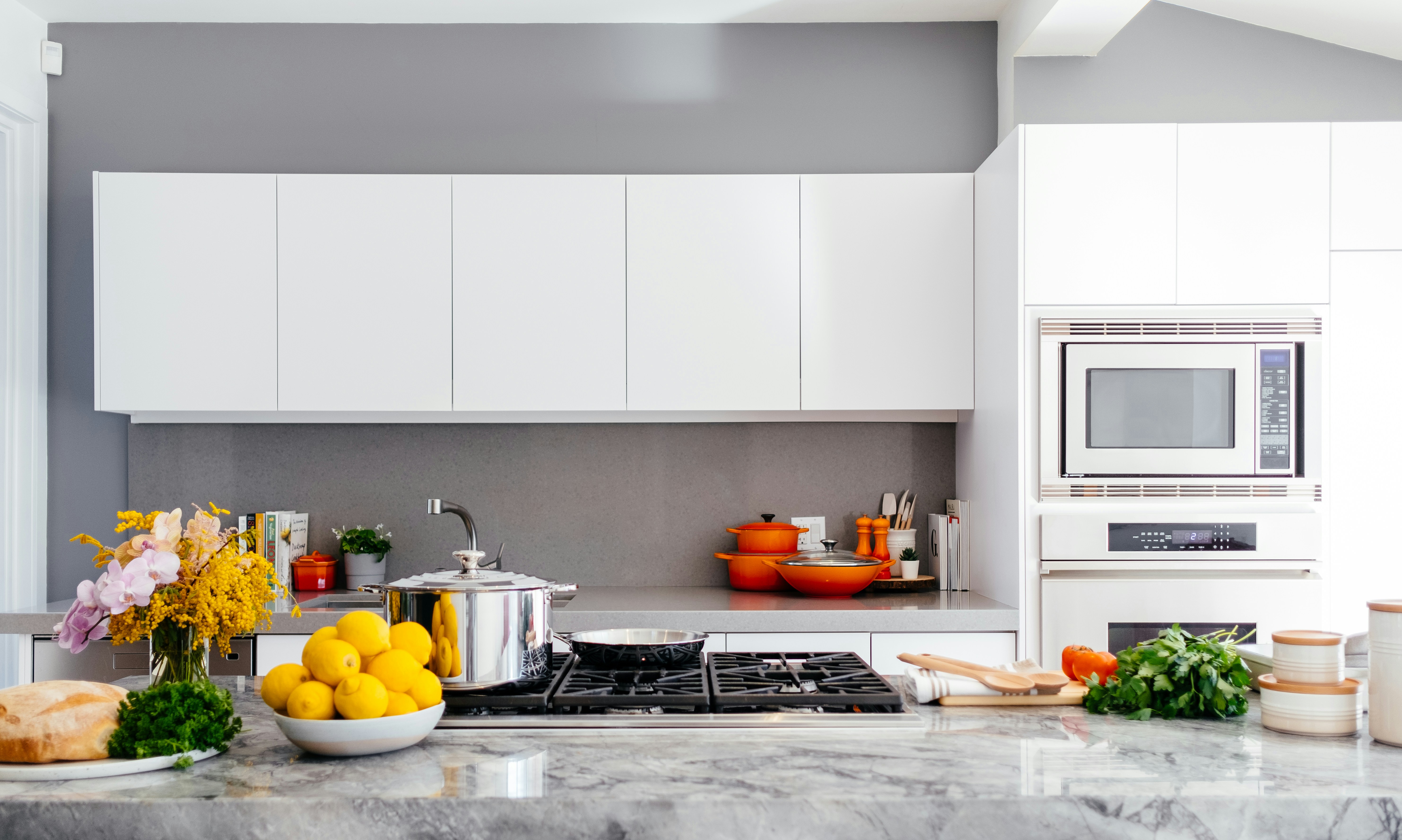
A backsplash should complement the kitchen rather than compete with every other surface. Start by looking at the colour of your cabinets, countertops, flooring and appliances. If these elements already have strong patterns or contrasting colours, a simpler backsplash often creates a more comfortable visual balance.
White, cream, beige and soft grey are popular because they work with many cabinet finishes. They can also make a compact kitchen feel lighter, particularly when combined with good lighting. However, a completely neutral kitchen does not have to look plain. Texture, tile shape and subtle variations in finish can add interest without introducing another dominant colour.
If your cabinets and countertops are relatively simple, the backsplash can become a feature. Deep green, muted blue, terracotta and darker charcoal tones can add personality, especially when used thoughtfully. Before committing to a bold colour, bring a sample home and view it in both natural and artificial light.
One useful rule is to avoid choosing the backsplash in isolation. A tile that looks attractive in a showroom may appear very different beside your actual countertop and cabinet doors. Whenever possible, compare physical samples together before placing an order.
Tile Shapes and Patterns That Change the Look
The shape and arrangement of tiles can influence the character of a kitchen just as much as their colour. Traditional rectangular subway tiles create a familiar, timeless appearance, while square tiles can feel simple and balanced. Larger tiles produce fewer grout lines, which may suit homeowners who prefer a cleaner visual effect.
Herringbone patterns introduce movement and work particularly well as a feature behind a cooktop or on a selected wall. Vertical stacking can make a backsplash feel taller, while horizontal arrangements can emphasize the width of a kitchen. Geometric and decorative tiles can create a striking focal point, but they should be used carefully if the rest of the kitchen already contains several competing patterns.
Think about the overall scale of the room before choosing a design. Very small decorative tiles can look busy across a large wall, while oversized patterns may overwhelm a compact kitchen. A sample board or a simple digital mock-up can help you understand how the pattern will look across the actual installation area.
How High Should a Kitchen Backsplash Be?
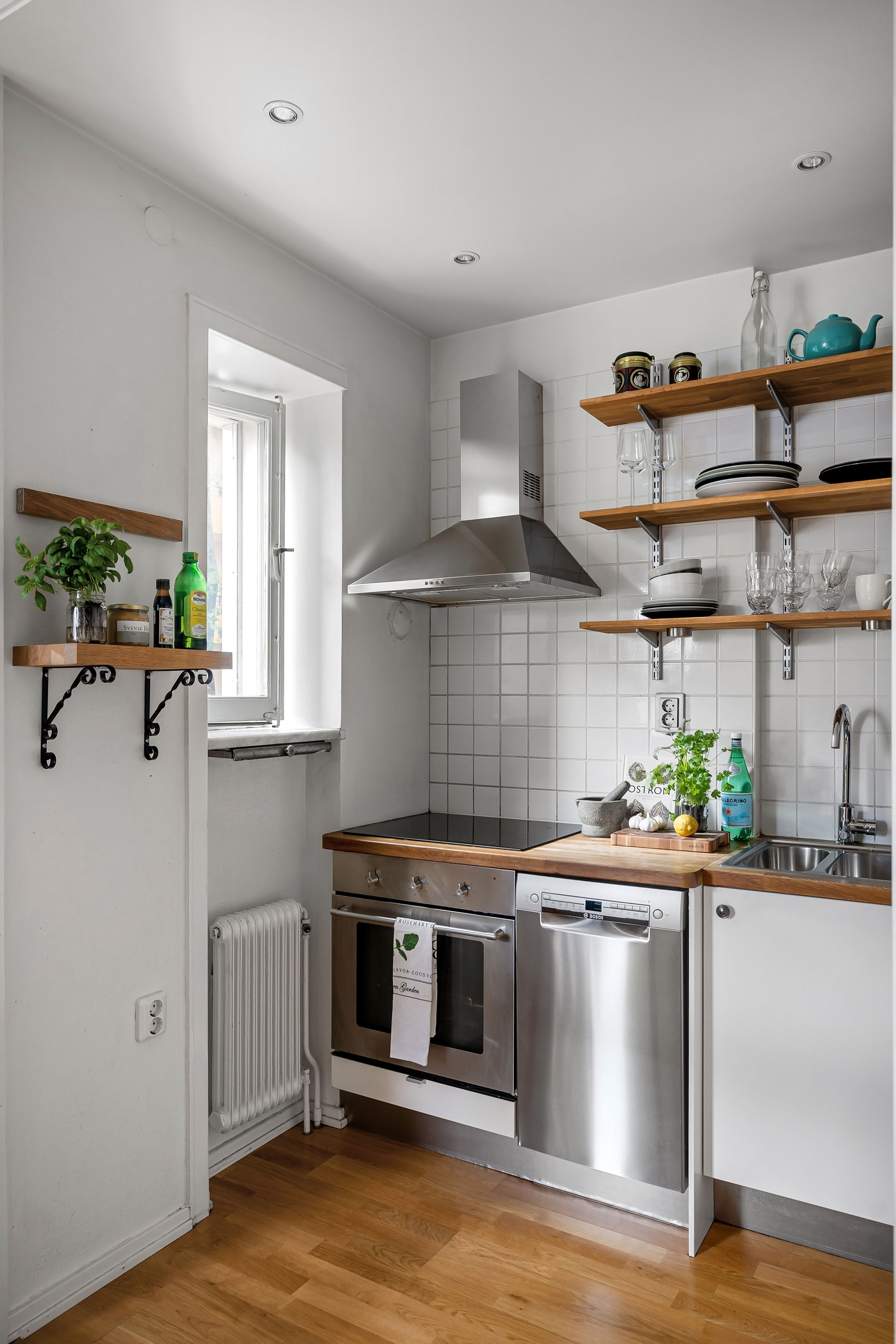
The traditional backsplash covers the wall between the countertop and the bottom of the upper cabinets. This provides protection in the areas where most everyday splashes occur. However, the ideal height depends on the kitchen layout, the position of appliances and the amount of wall protection required.
Some kitchens use a short backsplash that rises only a few inches above the countertop, while others extend the same material all the way to the underside of the cabinets. A full-height backsplash can create a more continuous appearance and reduce exposed wall surfaces that are difficult to clean.
Behind a cooktop, additional protection may be useful, especially when there are no upper cabinets. The final height should take account of the cooking appliance, any ventilation equipment and applicable installation requirements. Always follow the appliance and material manufacturers’ guidance rather than assuming one measurement suits every kitchen.
Don’t Overlook Grout and Maintenance
Grout may seem like a minor detail, but it has a major influence on the finished appearance of a tiled backsplash. White grout creates a crisp contrast against darker tiles, while a grout colour close to the tile produces a more continuous effect. Medium neutral shades can be practical in frequently used kitchens because they may show everyday discolouration less readily than very pale grout.
The type of grout also matters. Some products are more stain-resistant and easier to maintain than others, but suitability depends on the tile, joint width and installation conditions. Ask your installer to recommend a grout product appropriate for the selected material and kitchen environment.
Regular cleaning is easier when spills are dealt with before they dry. Use a cleaner recommended for the backsplash material, and avoid abrasive products that can damage polished finishes or protective coatings. Natural stone may require special cleaning products, while some grout installations benefit from periodic sealing.
Common Backsplash Mistakes to Avoid
One common mistake is selecting a highly decorative backsplash without considering the rest of the kitchen. A strong pattern can look impressive in a sample display but become overwhelming when installed across a large wall. If your cabinets, flooring and countertops already have noticeable patterns, choose a backsplash that provides balance.
Another mistake is choosing a material based only on its purchase price. The final cost may also include adhesive, grout, edge trims, surface preparation, specialist cutting and installation. A slightly more expensive material may prove better value if it is easier to maintain and lasts longer under normal use.
Poor installation can also spoil an otherwise excellent design. Uneven tile spacing, badly finished corners and poorly positioned electrical sockets are difficult to ignore once the kitchen is complete. Use an experienced installer, confirm the layout before work begins and inspect the finished surface before making the final payment.
The Final Word
A well-chosen kitchen backsplash should make everyday cooking and cleaning easier while adding something meaningful to the room’s appearance. Start with the practical requirements of the area, compare suitable materials and choose a colour that works with your cabinets and countertops. Pay attention to grout, installation quality and long-term maintenance rather than focusing only on the appearance of individual tiles.
You do not need an expensive stone slab or an elaborate pattern to create an attractive kitchen. Even a simple ceramic backsplash can look excellent when its colour, proportions and finish are chosen carefully. The best design is one that feels right in your kitchen and continues to work well long after the installation is complete.
Images courtesy of Pexels