Colanders, Strainers, and Sieves: How to Choose the Right One for Your Kitchen
Most kitchens have at least one colander or strainer tucked away in a cupboard. They may look similar, and it’s easy to assume they can all do the same job. But try rinsing quinoa in a colander with large holes or pouring a pot of pasta through a small tea strainer, and you’ll quickly understand why choosing the right tool matters.
Colanders, strainers, and sieves each have a particular purpose. Some are designed to drain large amounts of water, while others are better at catching small ingredients or removing unwanted particles from liquids. Understanding the differences can help you avoid unnecessary purchases and make everyday cooking a little easier.
Understanding the Difference Between Colanders, Strainers, and Sieves
Although these kitchen tools are sometimes used interchangeably, their designs and purposes are different.
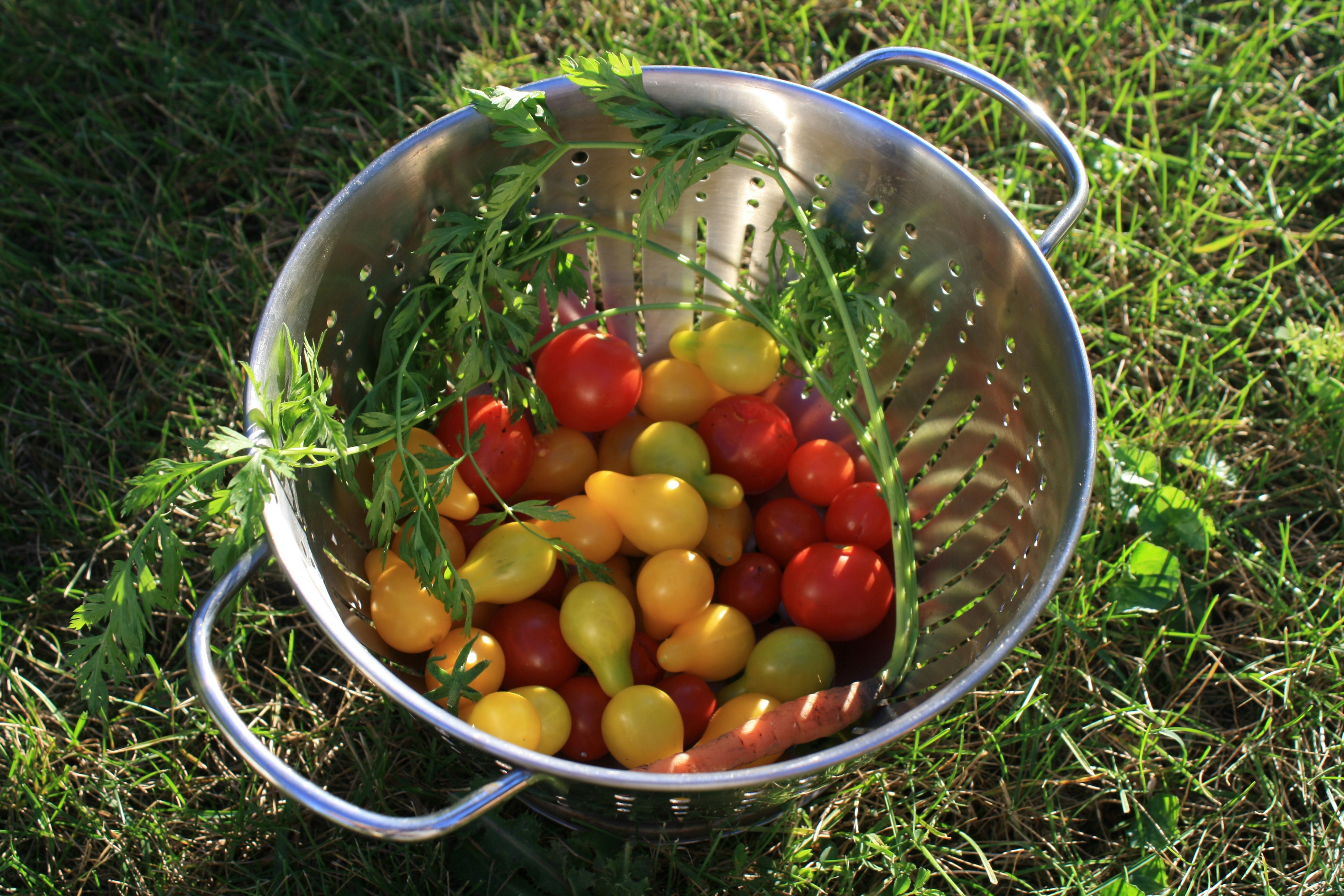
A colander is a bowl-shaped utensil with relatively large holes. It is mainly used for draining water from cooked pasta, boiled vegetables, canned beans, and washed salad leaves. Its wide shape makes it convenient when handling larger quantities of food.
A strainer usually has a mesh or perforated surface that separates smaller ingredients from liquids. Depending on the size of its openings, it can be used for rinsing grains, washing berries, draining smaller ingredients, or filtering sauces and stocks.
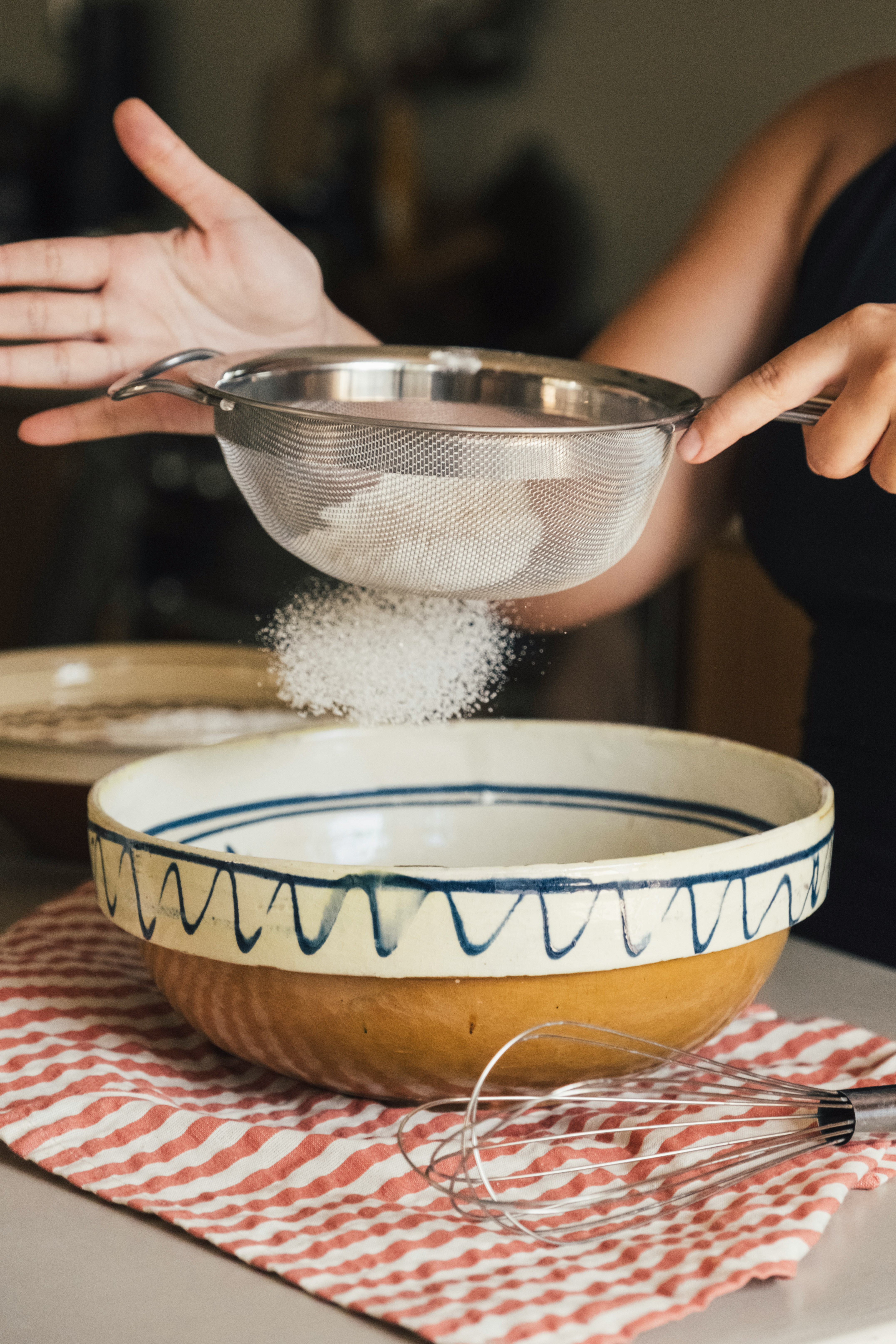
A sieve is generally used for finer work, particularly in baking. It helps remove lumps from flour, cocoa powder, and icing sugar while making dry ingredients lighter and easier to mix. Fine sieves can also be used for filtering sauces and other liquids.
The names sometimes overlap in everyday kitchen use, but understanding their main functions makes it easier to select the right one.
Choosing the Right Colander
A colander is one of the most useful accessories for everyday cooking. If you regularly prepare pasta, vegetables, or rice, having a properly sized colander can save time and prevent unnecessary mess.
Size is the first thing to consider. A small colander may be suitable for rinsing a handful of vegetables, but it can become inconvenient when draining a large pot of pasta. For a family kitchen, a medium or large model is generally more practical.
The material also makes a difference.
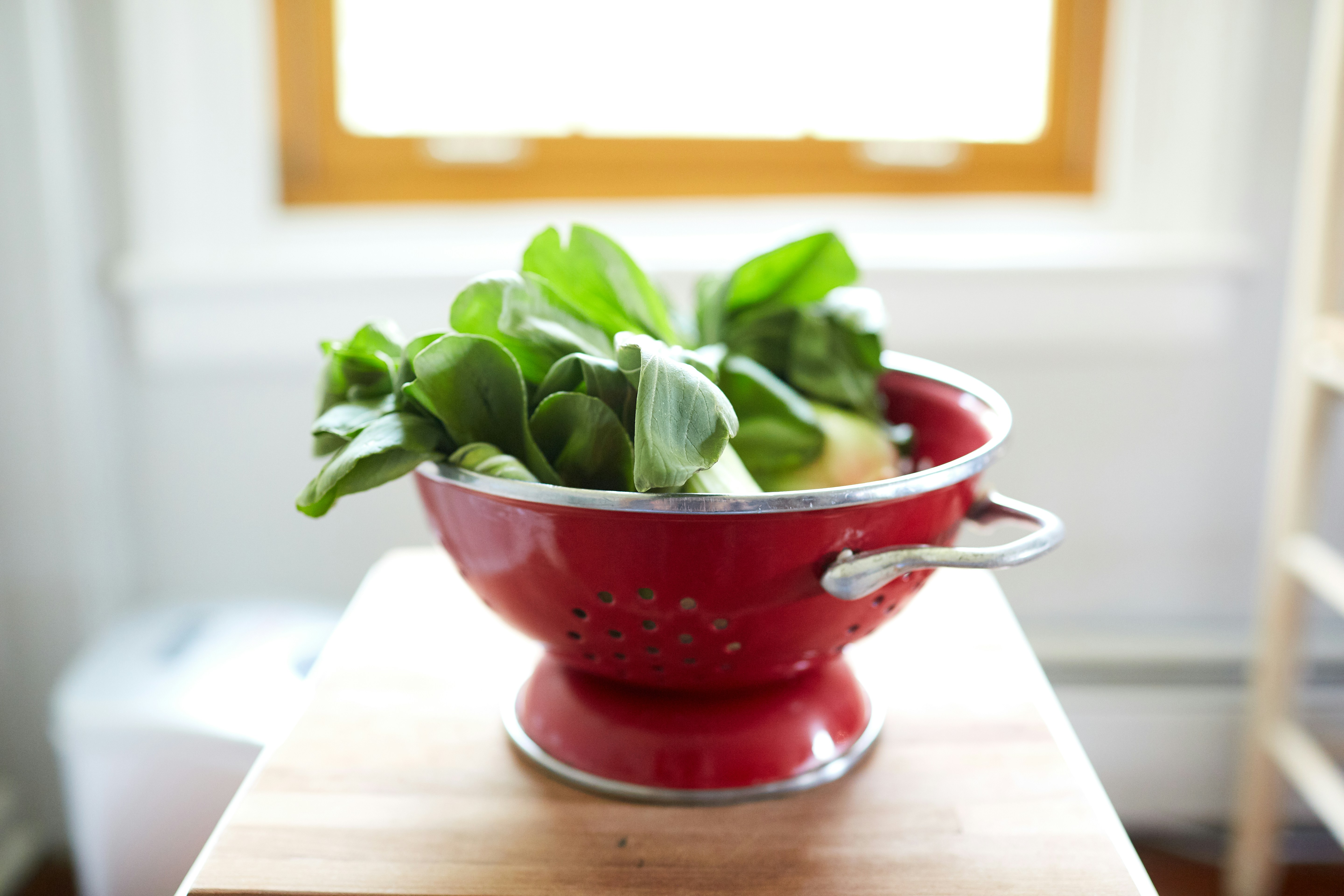
Stainless steel: A popular choice because it is durable, easy to clean, and suitable for draining hot foods. Good-quality stainless steel is also resistant to rust and staining.
Plastic: Lightweight and often affordable, plastic colanders are convenient for washing fruit and vegetables. However, they should be checked for heat resistance before being used with boiling water.
Silicone: Some silicone colanders are flexible or collapsible, making them useful when cupboard space is limited. Check that the product is designed for the temperatures at which you intend to use it.
Another detail worth checking is the position of the drainage holes. Models with holes around the sides as well as the base generally allow water to escape more freely.
Footed colanders are also worth considering. Their raised bases help keep the food above water collected in the bottom of the sink.
Why a Fine-Mesh Strainer Is So Useful
A fine-mesh strainer is one of those kitchen tools that often gets used more than expected. Its small openings make it suitable for jobs that a regular colander simply cannot handle.
It is particularly useful for rinsing quinoa, millet, and other small grains. Unlike a colander with large holes, a fine mesh helps prevent the grains from escaping during washing. Choose a model with openings small enough for the ingredients you regularly prepare.
It also comes in handy when:
- Straining tea leaves from a freshly brewed cup.
- Removing small particles from homemade sauces.
- Filtering stock after cooking.
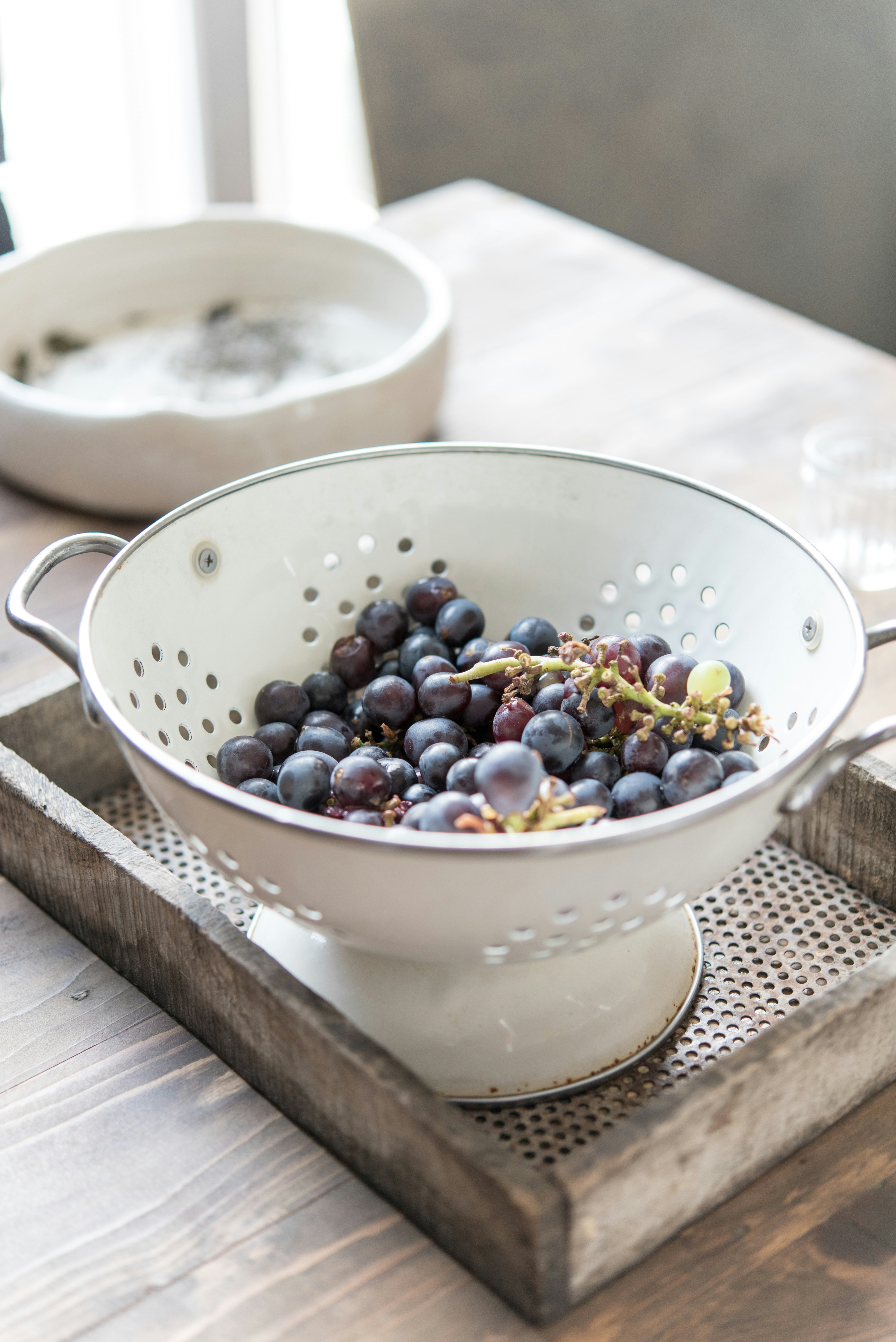
- Washing small berries and delicate ingredients.
- Straining custards and other smooth mixtures.
- Dusting cakes and desserts with cocoa or icing sugar.
For most home kitchens, a medium-sized fine-mesh strainer is a useful starting point. A smaller one can be helpful for tea, small portions, and decorating desserts.
When buying one, pay attention to the frame and handle. The mesh should be firmly attached, without loose wires or gaps around the edges. A comfortable handle and a stable resting hook can also make everyday use easier.
Caring for Mesh Strainers
Fine mesh can trap food particles, particularly after rinsing grains or preparing thick sauces. Cleaning it promptly helps prevent residue from drying inside the openings.
Rinse the strainer soon after use, preferably from both sides. If small particles remain trapped, use a soft cleaning brush rather than trying to force them out with a sharp object.
Avoid rough scrubbers that could damage or distort the mesh. After washing, allow the strainer to dry completely before storing it.
It is also a good idea to check the mesh occasionally for loose wires, damaged areas, or signs of rust.
When Do You Actually Need a Kitchen Sieve?
A sieve is especially useful if you enjoy baking at home.
Flour can sometimes develop lumps during storage, and cocoa powder or icing sugar may contain compacted particles. Passing these ingredients through a sieve helps break up the lumps and distribute them more evenly through a mixture.
This can be particularly helpful when preparing sponge cakes, pastries, pancakes, and delicate desserts.
Sieves are available in different designs. Traditional bowl-shaped sieves are convenient for general use, while hand-operated or rotating models can make sifting larger quantities easier.
If you bake regularly, a medium-sized sieve is a practical addition to your kitchen. Occasional bakers may find that a suitable fine-mesh strainer already covers many of their needs.
Three Tools That Cover Most Everyday Kitchen Tasks
You don’t need a large collection of draining and filtering accessories. For most households, three carefully chosen tools are enough:
1. A medium or large colander: Useful for pasta, vegetables, canned beans, and washing larger quantities of produce.
2. A medium fine-mesh strainer: Ideal for rinsing small grains, filtering liquids, straining sauces, and preparing tea.
3. A small sieve or fine-mesh sifter: Helpful for baking, dusting desserts, and removing lumps from dry ingredients.
People who frequently prepare homemade stocks, sauces, or preserves may also benefit from an additional strainer that can be lined with clean muslin cloth for finer filtering.
Before buying another kitchen accessory, consider the tools you already own. Sometimes one good-quality strainer can perform several jobs, making an extra purchase unnecessary.
Final Thoughts
Colanders, strainers, and sieves may seem like simple kitchen accessories, but choosing the right one can make cooking and baking more convenient.
A colander handles larger quantities of food, a mesh strainer is useful for smaller ingredients and liquids, and a sieve helps with finer tasks such as preparing flour and other baking ingredients.
Rather than buying several similar products, focus on the tasks you perform most often. A small collection of well-made, practical tools is usually more useful than a crowded kitchen drawer full of accessories that rarely get used.
Pictures courtesy by upslash.com
Related Kitchen Guides
Continue exploring practical kitchen tools and everyday cooking equipment:
- Kitchen Precision Tools: Simple Ways to Improve Everyday Cooking — learn about useful measuring and preparation tools.
- How to Choose Mixing Bowls & Utensils — compare useful kitchen prep essentials.
- Kitchen Gadgets That Earn Their Spot on Your Counter — explore practical accessories for everyday cooking.
Useful Products to Explore
If you are comparing options, these product searches can help you find suitable styles and sizes:
Affiliate links: Glimerz may earn a commission from qualifying purchases, at no extra cost to you. Product availability and prices are set by the retailer and may change.