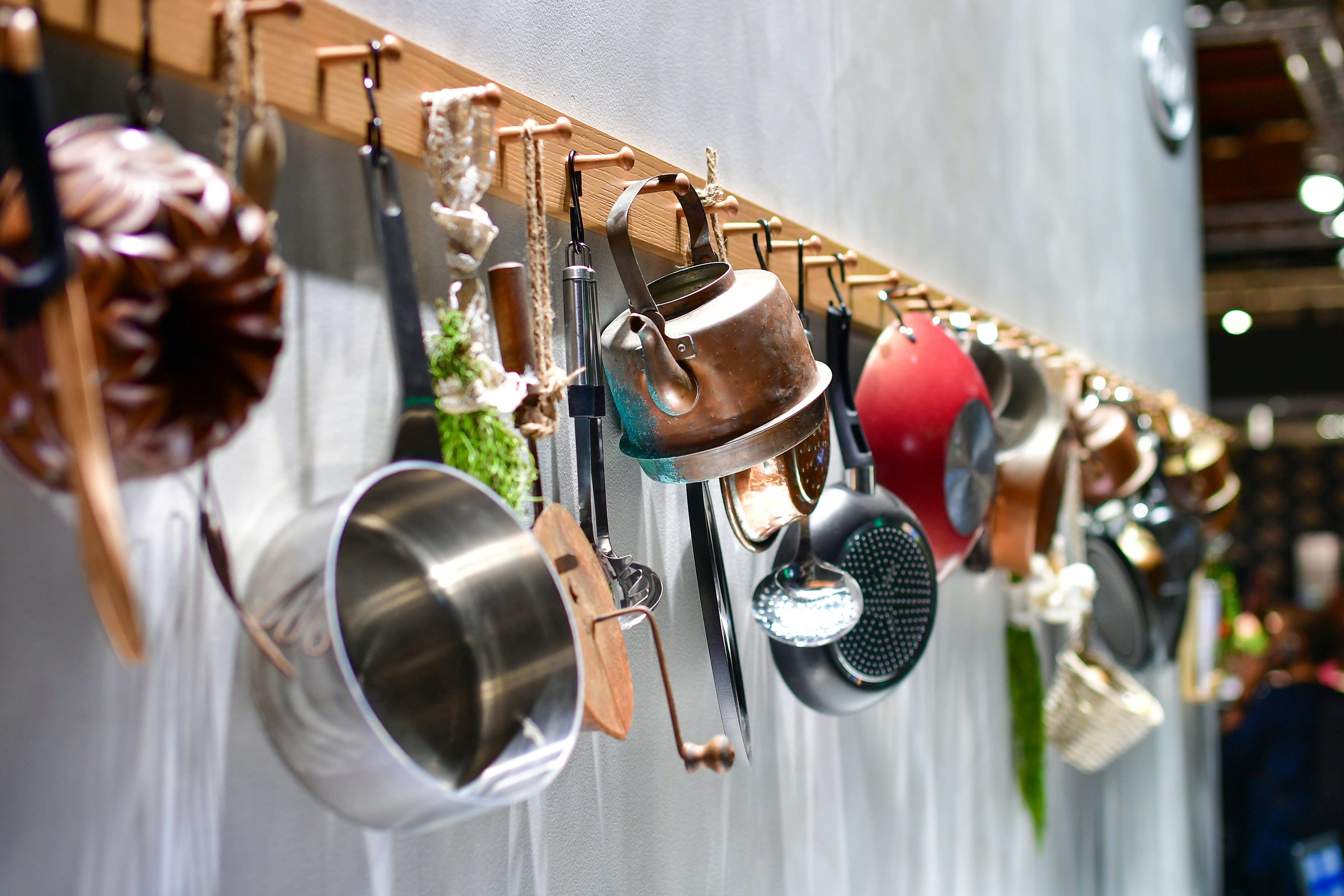
Kitchen gadgets are easy to buy and surprisingly difficult to store. A clever-looking tool can seem useful when you see it online, but after a few weeks it may end up at the back of a drawer because it solves a problem you rarely have. The better approach is to judge a gadget by your actual cooking routine. A useful tool should perform a task you do regularly, save enough time or effort to justify its space, be reasonably easy to clean, and remain accessible when you need it.
This guide focuses on that decision rather than presenting a list of trendy products. Some kitchens benefit from a multi-function appliance; others get more value from a small manual prep tool. The right choice depends on what you cook, how often you cook it, and how much counter and cabinet space you have.
The Five-Question Gadget Test
Before buying any kitchen gadget, ask:
- How often will I use it? Daily or weekly use is easier to justify than a tool for a once-a-year recipe.
- Does it solve a real problem? Faster chopping, more consistent measurements, safer temperature checking, or easier cleanup are measurable benefits.
- Does it duplicate something I already own? A gadget that performs the same job as an existing tool needs a strong reason to stay.
- Where will it live? Counter space is not free. If it needs to be stored in a cabinet, check that it actually fits.
- How much work does it add? Consider washing, drying, charging, assembling, and storing the gadget as well as using it.
If you cannot answer these questions clearly, wait before buying. A useful kitchen upgrade does not need to be an impulse purchase.
1. Multi-Function Appliances: Powerful, but Not Automatically Better
Multi-cookers and other combination appliances can perform several cooking functions in one machine. Depending on the model, that may include pressure cooking, slow cooking, steaming, sautéing, rice preparation, or other programs. The main advantage is function consolidation. If you regularly use several of those functions, one appliance may replace multiple pieces of equipment.
But there are trade-offs. These appliances can be bulky, require cabinet or counter space, and may have removable parts that need regular cleaning. Some functions may also be slower or less convenient than using a dedicated appliance.
Use this decision rule
A multi-function appliance makes more sense when you can name at least two or three functions you already use regularly. Do not buy one simply because its specification sheet contains a long list of programs. Before buying, measure the appliance footprint and the vertical clearance where you intend to store it. If it will live on the counter, check the space around it so lids, handles, cords, and controls remain accessible.
2. Vegetable Choppers: Worth It for the Right Prep Routine
A vegetable chopper can be useful if you frequently prepare onions, peppers, cucumbers, potatoes, or similar ingredients and prefer consistent pieces without extensive knife work. The value is greatest when the same preparation task appears repeatedly in your cooking. If you only chop a few vegetables occasionally, a good chef’s knife may already be enough.
What to check
Look at the size of the cutting chamber, the number and type of cutting blades, how the pieces are collected, and how the parts are cleaned. A container can be convenient because chopped ingredients are collected immediately, but it also adds another part to wash. For any blade-based gadget, treat the cutting components as sharp kitchen equipment. Follow the manufacturer’s handling and cleaning instructions rather than assuming the parts are safe to handle like ordinary plastic utensils.
A good fit: someone who prepares chopped vegetables several times a week.
Probably unnecessary: someone whose typical meal requires only a small amount of chopping.
3. Digital Kitchen Scales: Small Footprint, Broad Use
A digital kitchen scale is one of the more versatile small tools because it can help with baking, portioning, coffee, meal preparation, and recipe consistency. For baking in particular, weighing ingredients can make repeated recipes easier to reproduce than relying entirely on volume measurements. A scale is also useful when a recipe specifies ingredients by weight.
Look for a clear display, a tare function, a suitable weighing capacity, and a platform that is easy to clean. The tare function is particularly useful when ingredients are added to the same bowl one after another. Because a scale takes little space, it may be easier to store than many larger gadgets. If you use it several times a week, keeping it in an accessible drawer can make it much more likely to earn its place.
4. Wireless or Probe Thermometers: Useful When Temperature Is the Real Problem
A food thermometer is valuable when cooking depends on reaching a specific internal temperature. Probe and wireless models can make monitoring larger cuts of meat or other temperature-sensitive cooking tasks more convenient. The important feature is not the presence of an app. It is whether the thermometer gives you information you can use to make a cooking decision.
When comparing models, consider probe placement, temperature range, readability, battery requirements, cleaning instructions, and whether the probe is rated for the cooking method you plan to use. For food safety, use reliable temperature guidance appropriate to the food you are preparing rather than relying on appearance alone. Follow the thermometer manufacturer’s instructions for correct probe placement and cleaning.
5. Salad Scissors and Herb-Cutting Tools: A Convenience Choice
Multi-blade salad or herb scissors can speed up small cutting jobs. They can be particularly convenient for herbs, greens, or other ingredients that you routinely cut into small pieces. However, this is a classic example of a gadget that should be judged against your existing tools.
If you already have a sharp knife and cutting board and the preparation is quick, the scissors may not add much. If you regularly prepare herbs or greens and prefer a tool that combines several cuts in one motion, they may earn a drawer slot. Check whether the blades can be cleaned thoroughly and whether the product includes a protective cover or other safe storage method.
6. Automatic Pot Stirrers: Convenience With a Narrow Use Case
Automatic stirrers are designed for foods that need repeated stirring while cooking. They can be helpful when you regularly prepare sauces, custards, porridge, soups, or similar dishes where stirring is part of the process. Their limitation is equally clear: if you rarely cook foods that need continuous or repeated stirring, the device may spend most of its life in a drawer.
Before buying, check the cookware sizes it fits, the manufacturer’s temperature limitations, battery or charging requirements, and cleaning method. Think of this category as a routine-specific helper, not a universal kitchen essential.
7. Mandolines: Fast Slicing, Real Safety Considerations
A mandoline can produce consistent slices quickly, which is useful for potatoes, cucumbers, carrots, cabbage, and other ingredients. The advantage is consistency and speed. The trade-off is that the exposed cutting blade requires careful handling.
If you buy one, use the supplied hand guard or food holder as directed, keep your hands away from the blade path, and store the mandoline so the blade cannot be contacted accidentally. A mandoline is a good investment when you frequently need large quantities of evenly sliced vegetables. For occasional slicing, a knife may be simpler.
8. Bread Machines: Buy for the Routine, Not the Promise
Bread machines can combine mixing, kneading, proofing, and baking functions in one appliance. They can be convenient for households that make bread regularly and appreciate a repeatable process. The biggest question is whether you will actually use the machine often enough to justify its footprint.
Before buying, measure the storage area and consider the machine’s weight. Check the bread size and programs offered, the shape of the baking pan, cleaning requirements, and whether replacement parts or accessories are readily available for the model you choose. If you bake bread once every few months, borrowing or using a conventional method may make more sense than permanently allocating counter space to a large appliance.
9. Small Specialty Gadgets: The Burden-of-Storage Test
Some gadgets are genuinely useful but have a narrow job: microwave cleaning accessories, jar spatulas, bag sealers, garlic tools, or specialized slicers are examples. There is nothing wrong with owning a specialty tool when it solves a problem you encounter regularly. The mistake is buying one because the demonstration looks satisfying.
Use this test: Frequency × time saved × convenience − storage and cleaning burden = practical value. You do not need a numerical score. The formula simply forces you to consider the whole experience.
A jar spatula may be worthwhile if your household regularly uses large jars of spreads or sauces. A bag sealer may be useful if you frequently need to reseal packaged foods. A single-purpose slicer may not justify its space if you can perform the same task quickly with a knife.
Counter Space Is Part of the Cost
A gadget’s price is only one part of the decision. Every appliance also consumes physical space and adds another object to clean and maintain. For a small kitchen, measure the counter area before choosing a countertop appliance. Mark its footprint with painter’s tape and see whether you can still comfortably prepare food, open nearby cabinets, and use the sink.
For cabinet storage, measure the actual shelf opening rather than estimating. Check the appliance’s height, depth, cord storage, removable parts, and any clearance needed for lids or controls. If a gadget has to be unpacked from the back of a cabinet every time you use it, you may use it less often than expected.
A Simple Example: Choosing Two Gadgets for a Small Kitchen
Imagine a household with a compact kitchen that cooks five nights a week. They regularly prepare chopped onions and vegetables, bake on weekends, and have very limited counter space. A vegetable chopper could make sense because chopping is a repeated task. A digital scale could also earn its place because it supports the household’s regular baking routine and takes little storage space.
A bread machine might be useful in theory, but if it occupies a large section of the counter and bread is made only occasionally, it has a weaker case. An automatic pot stirrer would be even harder to justify if the household rarely prepares foods that need repeated stirring. The lesson is simple: choose gadgets from your routine outward, not from the product catalog inward.
When to Skip a Gadget
Consider leaving a gadget on the store shelf when:
- it duplicates a tool you already use comfortably
- it solves a task you perform only a few times a year
- cleaning it takes almost as long as doing the task manually
- you have nowhere convenient to store it
- its main attraction is novelty rather than a repeated practical benefit
- you cannot identify a specific cooking problem it will solve
This does not mean single-purpose tools are bad. A specialist baker, gardener, coffee drinker, or home cook may get enormous value from a tool that another household would never use.
A Better Way to Build Your Gadget Collection
Do not try to create a “perfect” gadget kitchen in one shopping trip.
Start with one recurring frustration. Buy or use a tool that addresses that problem, then evaluate it after several weeks. Did it actually save time? Is it easy to clean? Do you reach for it naturally? Does it deserve permanent storage?
If the answer is yes, keep it. If not, learn from the purchase before adding another gadget. This approach also makes affiliate recommendations more useful: a product should appear because it fits a clearly explained need, not because every article needs another shopping list.
Final Thoughts
The best kitchen gadget is rarely the most complicated one. It is the tool that solves a repeated problem well enough that you naturally reach for it again. For some cooks, that means a vegetable chopper. For others, it may be a digital scale, thermometer, multi-function appliance, or a simple pair of specialized scissors. The right choice depends on your cooking habits, available space, cleaning tolerance, and the tasks you actually repeat.
Before buying, ask what problem the gadget solves, how often that problem occurs, where the gadget will live, and whether an existing tool already does the job. If the answers are convincing, it has a much better chance of earning its spot on your counter.
Disclaimer: Glimerz is a participant in the Amazon Services LLC Associates Program, an affiliate advertising program designed to provide a means for sites to earn advertising fees by advertising and linking to Amazon.com. When you click certain product links in this post and make a qualifying purchase, we may earn a small commission at no additional cost to you. We only recommend products we believe add genuine value to our readers.

